Enclave
2015
No user ratings available yet
Diversity score: 6.3 out of 10
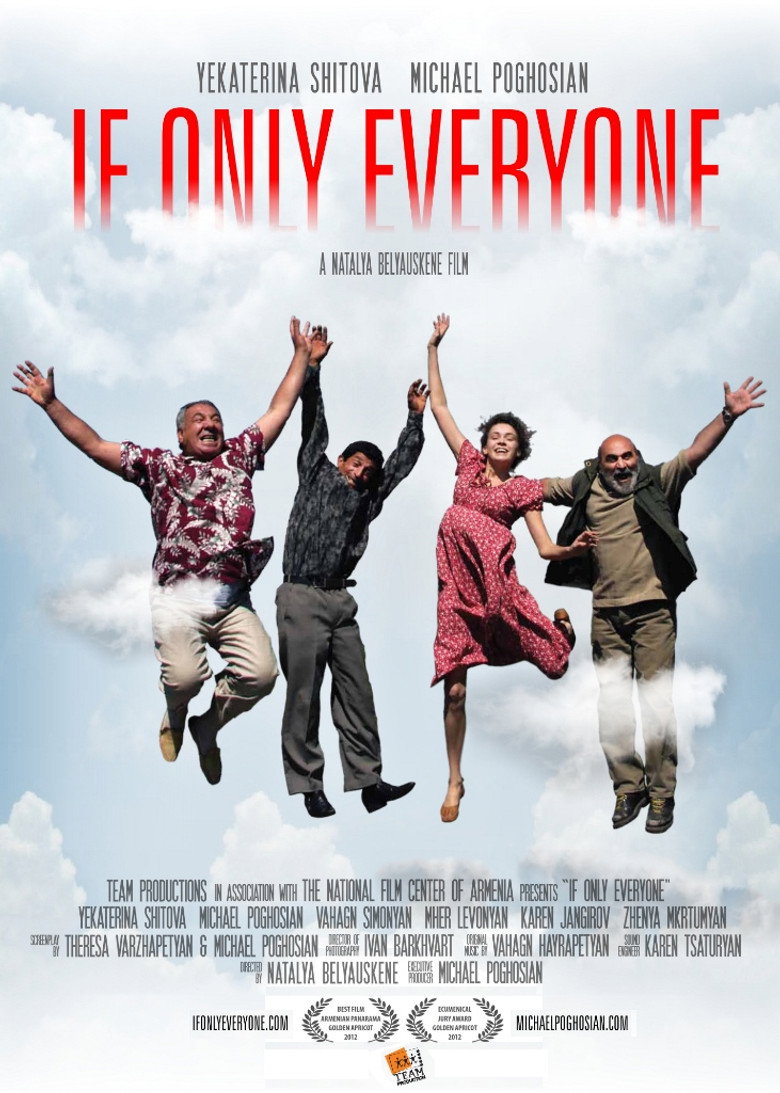
2012
Director
Nataliya Belyauskene
Runtime
98 minutes
Average Rating
No ratings yetSynopsis
A beautiful girl named Sasha from Russia comes to Armenia. Born between Russian father and Armenian mother, Sasha is searching for the grave of her father who died in the Karabakh War. Karabakh, which was the territory of the Azerbaijani Republic during the Soviet Union’s collapse, has many Armenian residents. At the time, Armenians demanded their independence from Azerbaijani Republic and the subsequent conflict caused heavy casualties. Many Russian soldiers also lost their lives in the war. The conflict is still going on. This film is a postscript to a historical event occurred in the early 1990s and about a still ongoing conflict. In the scene that camera quietly crosses the border from Armenia, the director presents an image of each side of the people communicating with one another despite their own wounds instead of one pointing a gun at the other side.
Overall Score
Good
Category Breakdown
LGBTQ+ Representation
The film lacks explicit mention of LGBTQ+ characters or themes. The narrative focuses primarily on ethnic identity and the lasting legacy of war.
Gender Representation
Sasha, a female protagonist, drives the plot through her intellectual search for her father's history. This placement disrupts traditional masculine tropes in war dramas.
Racial & Ethnic Diversity
The story excels by exploring intersectional identity through a protagonist of mixed Russian and Armenian heritage. It challenges monolithic views by highlighting shared humanity across borders.
Religious & Cultural Diversity
The film adopts a humanistic framework that moves away from singular nationalist or religious morality. It critiques systemic structures of war through personal loss.
Disability Representation
There are no specific details regarding the portrayal of physical or neurodivergent disabilities within the narrative.
Strengths
Areas for Improvement
AI Analysis
If Only Everyone offers a sophisticated, humanistic look at the Karabakh conflict. By centering on a woman of mixed heritage, the film moves beyond simple nationalist storytelling to explore the complexities of post-Soviet identity. The film's greatest strength is its ability to deconstruct geopolitical divides. Instead of focusing on active hostility, it emphasizes communication and shared wounds between sides, offering a rare, peace-oriented perspective on war cinema. While the film provides deep ethnic and cultural nuance, it lacks representation for LGBTQ+ identities and disabilities. This makes the narrative feel somewhat narrow in its scope of human experience.
2015

2009

2023
2017
2011

2013
2017
2019

1976
2015
2006
2002
No reviews yet. Be the first to share your thoughts on this movie!
Use the rating form above to leave a star rating and optional review.