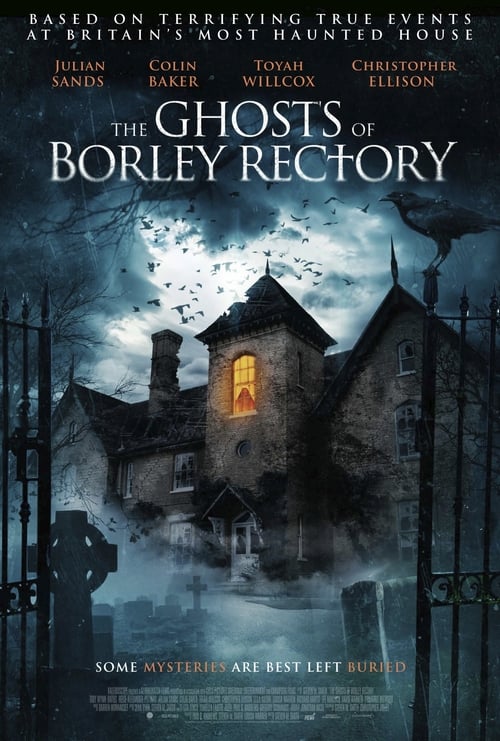
The Ghosts of Borley Rectory
2021
No user ratings available yet
Representation score: 0.8 out of 10

Representation Score
Minimal
2017
Director
Ashley Thorpe
Runtime
75 minutes
Average Rating
No ratings yetNew Showbiz Analysis
Borley Rectory is a specialized historical documentary that prioritizes period accuracy and paranormal lore over contemporary social issues. The narrative structure remains traditional, focusing on established historical figures and a localized English setting. The film does not intentionally challenge social hierarchies. By focusing on the specific Anglo-Saxon demographic of the era, it maintains a conservative approach to historical storytelling.
Category Breakdown
The film does not include any LGBTQ+ characters or explore non-traditional gender identities. It stays true to a historical context without any queer themes or narratives challenging straight relationships.
A female character faces isolation in a dangerous environment. The film does not challenge traditional gender roles or show masculinity as ineffective.
The cast reflects the Anglo-Saxon population of the historical period. The production maintains a homogeneous demographic consistent with the English estate setting.
The story relies on traditional Western Gothic clichés without deconstructing them. It does not explicitly critique institutions like religion or the family.
There are no visible or invisible disabilities portrayed with significant roles. No characters with disabilities are used as plot devices within the historical context.
Present on Screen
Limited or Absent
Official Synopsis
An animated documentary chronicling famed paranormal investigator Harry Price’s research at Borley Rectory, renowned as the ‘most haunted house in England’.
2021
1922
2020
1992
2019
2011

2021

2019
No reviews yet. Be the first to share your thoughts on this movie!
Use the rating form above to leave a star rating and optional review.