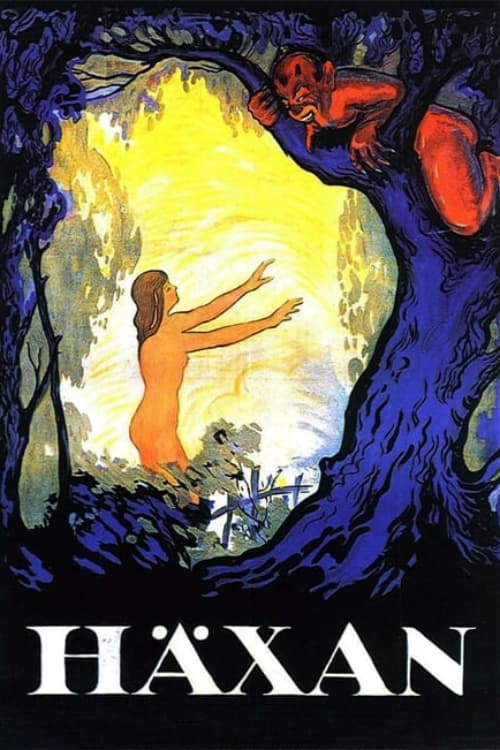
Häxan
1922
No user ratings available yet
Representation score: 6.2 out of 10
Representation Score
Excellent
1968
Director
Benjamin Christensen
Runtime
76 minutes
Average Rating
No ratings yetNew Showbiz Analysis
Witchcraft Through the Ages is a powerful critique of institutional authority. By reinterpreting historical persecution through a modern, jazz-inspired lens, it turns a horror premise into a study of systemic oppression. The film excels in its cultural and gendered commentary, highlighting how patriarchal and religious structures use superstition against underrepresented individuals. However, its narrow European historical focus limits its multi-layered depth, keeping the critique centered on Western-centric power dynamics.
Category Breakdown
The film uses witches as a symbol for non-conformity, criticizing strict moral rules that have historically suppressed those who don't fit societal norms.
The story focuses on the female experience under male-dominated and religious scrutiny. Women are portrayed as victims of systemic persecution rather than monsters, challenging the control of male-dominated institutions.
The cast is primarily European with little racial diversity. The film explores how identity is used as a weapon by dominant powers in a Western historical context.
The film critically examines religious and legal authorities, showing them as corrupt and irrational. It uses a skeptical, secular tone to break down traditional Christian morality.
The film looks at the connection between mental health issues and perceived demonic possession. It criticizes how society historically punished neurodivergence and psychological distress through labels of hysteria.
Present on Screen
Limited or Absent
Official Synopsis
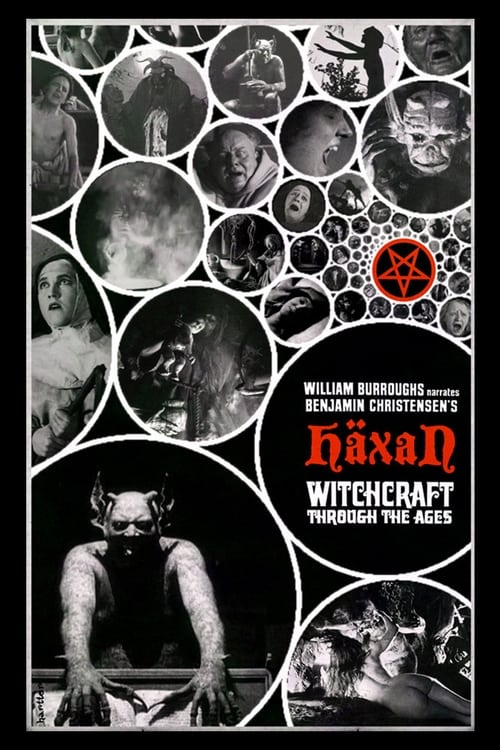
Narrated by Beat Generation icon William S. Burroughs, this re-edited and revamped American version of the 1922 Danish classic Häxan features a jazz score and soundtrack featuring violinist Jean-Luc Ponty.
1922
1968
1969
2022

1971
2021
1970
2020
No reviews yet. Be the first to share your thoughts on this movie!
Use the rating form above to leave a star rating and optional review.