
The Antichrist
1974
No user ratings available yet
Representation score: 3.5 out of 10
Representation Score
Good
1961
Director
Jerzy Kawalerowicz
Runtime
106 minutes
Average Rating
No ratings yetNew Showbiz Analysis
Jerzy Kawalerowicz’s film excels in its psychological exploration of institutional power. By confining the narrative within a convent, it creates a unique space to examine repressed female empowerment and the subversion of ascetic vows. This focus allows for a sophisticated look at intimacy and social structures outside of traditional patriarchal frameworks. However, the film is constrained by its historical setting, leading to significant racial homogeneity. Additionally, while it touches on mental health through the lens of possession, these elements function more as plot devices than nuanced portrayals of lived experience. Ultimately, the film's strength lies in its intellectual critique of religious authority and its complex portrayal of female-driven social dynamics.
Category Breakdown
The film delves into deep emotional and spiritual connections between women in an exclusively female environment. It uses restrained physical desires to explore the complexities of female-to-female relationships and non-traditional intimacy.
By focusing on female psychological struggles, the film challenges traditional gender hierarchies. It emphasizes female intellect and emotional depth over patriarchal norms, highlighting the internal conflicts within a female community.
The film mirrors the demographic uniformity of its 14th-century Polish monastic setting. The cast aligns with the historical and cultural constraints of the time period.
The narrative provides a sophisticated critique of Western religious institutions. It depicts the convent as a place of psychological tension where strict doctrine clashes with human instincts and individual empowerment.
Themes of psychological instability and possession drive the plot. While exploring mental health, the film often uses psychological distress as a narrative tool rather than a nuanced depiction of lived experience.
Present on Screen
Limited or Absent
Official Synopsis
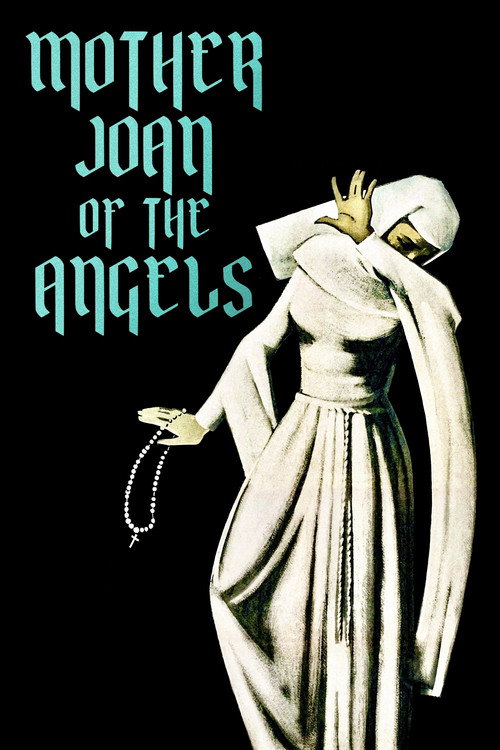
A Polish priest arrives at a convent hoping to save the Mother Superior who is supposedly possessed by eight demons.
1974
1967

1976

1961

2022
2006

1972
1978
No reviews yet. Be the first to share your thoughts on this movie!
Use the rating form above to leave a star rating and optional review.