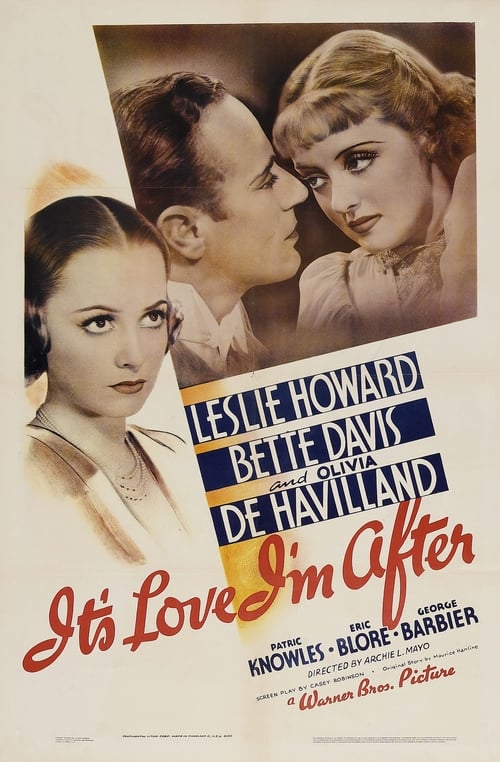
It's Love I'm After
1937
No user ratings available yet
Diversity score: 1.4 out of 10
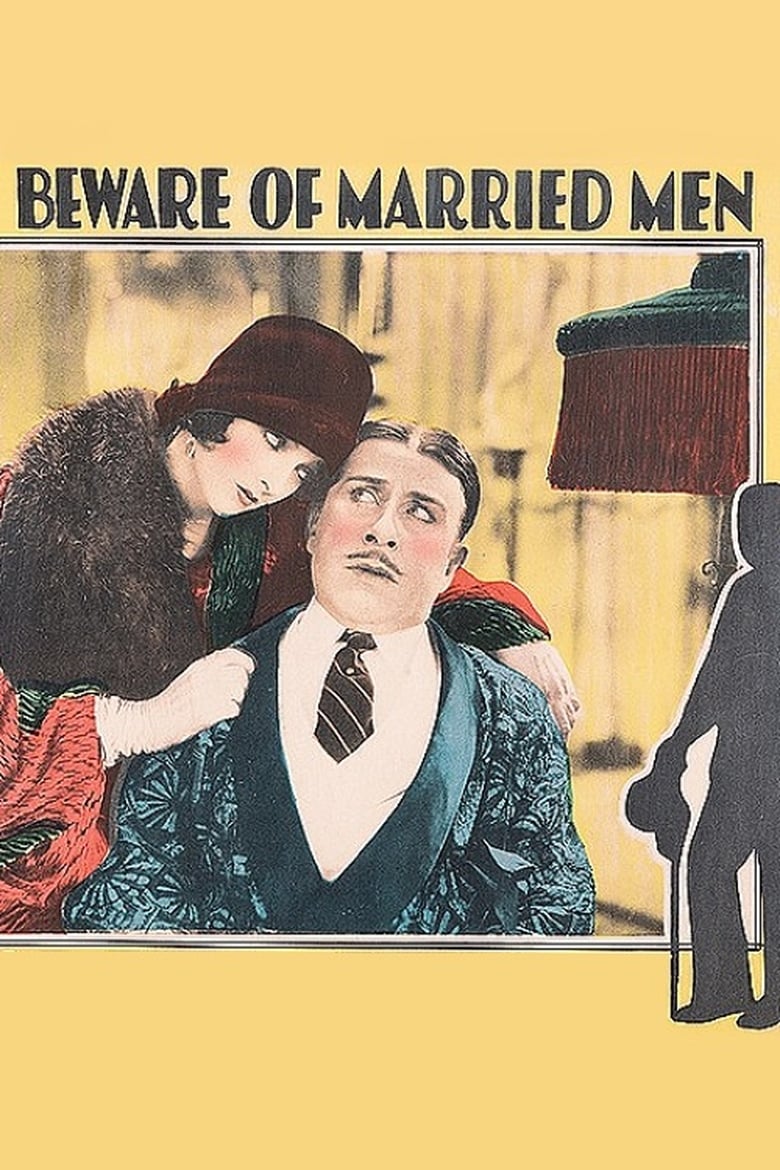
1928
PassedDirector
Archie Mayo
Runtime
60 minutes
Average Rating
No ratings yetSynopsis
A press sheet printed in Exhibitors Herald and Moving Picture World in 1928 put forth the suggestion that “people in the need of a good hearty laugh should take this opportunity of getting it” by seeing a newly released comedy by Warner Bros., suggestively entitled Beware of Married Men. Since director Archie Mayo (The Petrified Forest) helmed this feature during the dying days of the silent era, the studio sought to enhance its commercial viability by embellishing the shot-silent picture with a synchronized music and effects soundtrack using the Vitaphone sound-on-disc system. Ultimately, these efforts went for naught, as the picture failed at the box office and quickly disappeared from theaters.
Overall Score
Minimal
Category Breakdown
LGBTQ+ Representation
The film operates within a strictly heteronormative framework typical of the silent era. There is no evidence of non-cisnormative identities or narratives that challenge traditional gender roles.
Gender Representation
The story centers on romantic misunderstandings and infidelity. It relies on conventional 1920s gender dynamics without showing women exercising agency to disrupt patriarchal structures.
Racial & Ethnic Diversity
The production reflects the homogeneous casting standards of 1928. It depicts Western, white social structures as the default norm without evidence of diverse casting.
Religious & Cultural Diversity
Themes focus on romantic pursuit and marital infidelity within Western social concerns. The narrative reinforces the nuclear family unit rather than critiquing it as an institution.
Disability Representation
There is no evidence regarding the inclusion or depiction of characters with physical or neurodivergent disabilities in this production.
Strengths
Areas for Improvement
AI Analysis
Archie Mayo’s comedy is a product of its time, utilizing the Vitaphone system to deliver a conventional narrative. The film functions as a standard genre piece that reinforces the social hierarchies of the late silent era. Rather than offering intersectional storytelling, the film adheres to the era's preoccupation with traditional marital structures. It lacks any documented attempt to subvert the status quo or introduce diverse perspectives. Ultimately, the work serves as a commercial comedy that maintains the established norms of 1920s Western society.
1937
1952
1923
1928
1930
1936
1938
1920
1931
1928

1924
1928
No reviews yet. Be the first to share your thoughts on this movie!
Use the rating form above to leave a star rating and optional review.