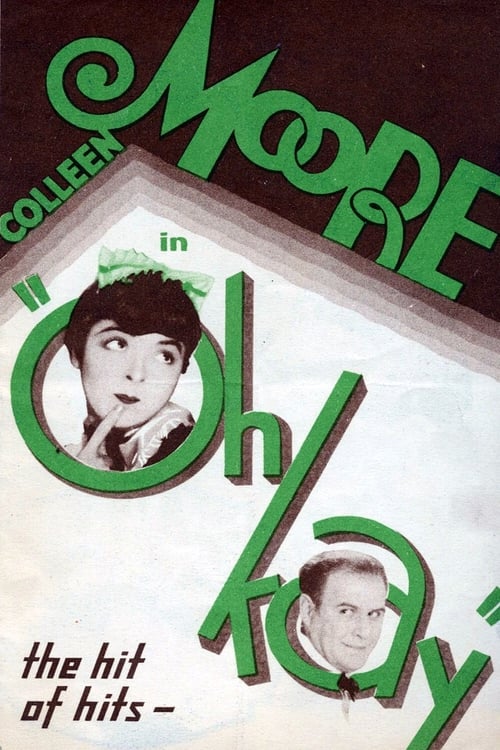
Oh Kay!
1928
No user ratings available yet
Representation score: 1.7 out of 10
Representation Score
Minimal
1920
PassedDirector
Maurice Campbell
Runtime
50 minutes
Average Rating
No ratings yetNew Showbiz Analysis
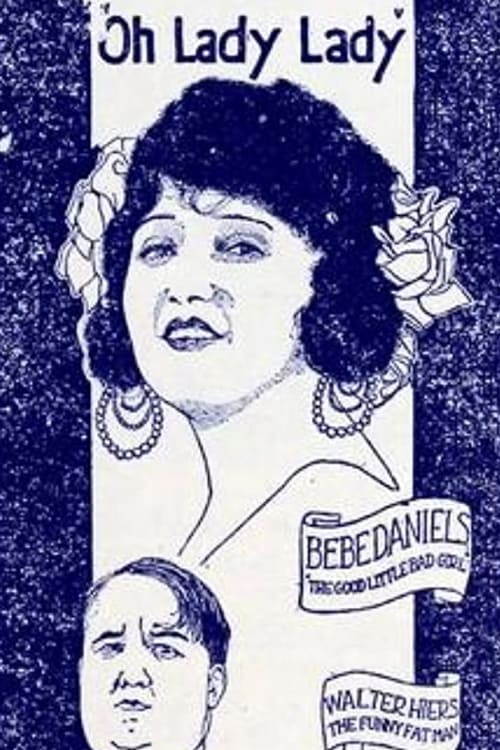
Oh, Lady, Lady is a conventional silent-era romantic comedy that upholds the social structures of its time. The plot centers on courtship, marriage, and domestic complications, offering little in the way of progressive narrative subversion. The film relies on established early-20th-century norms, focusing on personal romantic reconciliation. It lacks the complexity of intersecting identities, as the characters and conflicts remain within a narrow, traditional framework. Ultimately, the work functions as a period-typical comedy that prioritizes romantic clichés over the deconstruction of social hierarchies or the inclusion of diverse identities.
Category Breakdown
The film focuses on traditional romantic relationships and wedding complications. There is no evidence of non-straight identities or stories that question the assumption that everyone is straight.
Female characters like the ex-fiancée and the bride's mother act as catalysts for plot chaos. Their roles are tied to domestic disruption rather than challenging broader societal issues.
The production likely reflects the homogeneous casting standards of the 1920s. It appears to adhere to the era's standard of depicting Western, Anglo-Saxon social norms.
The story operates within traditional Western social institutions like marriage and the nuclear family. It focuses on social etiquette rather than critiquing these institutions.
There is no evidence of characters with physical or neurodivergent disabilities within the narrative.
Present on Screen
Limited or Absent
Official Synopsis
A silent film version of the Kern-Bolton-Wodehouse "Princess Theatre" musical. The story concerns an engaged young man, Bill, whose ex-fiancée arrives unexpectedly on his wedding day. Meanwhile, comic complications arise because of a couple of crooks, the bride's mother dislikes the groom, and the nuptials are called off. Bill works to convince his old flame that he was not worthy to marry her; but his clumsy efforts do not make him look good to his new fiancée.
1928
1937

1924
1924
1929
1935
1928
1928
No reviews yet. Be the first to share your thoughts on this movie!
Use the rating form above to leave a star rating and optional review.