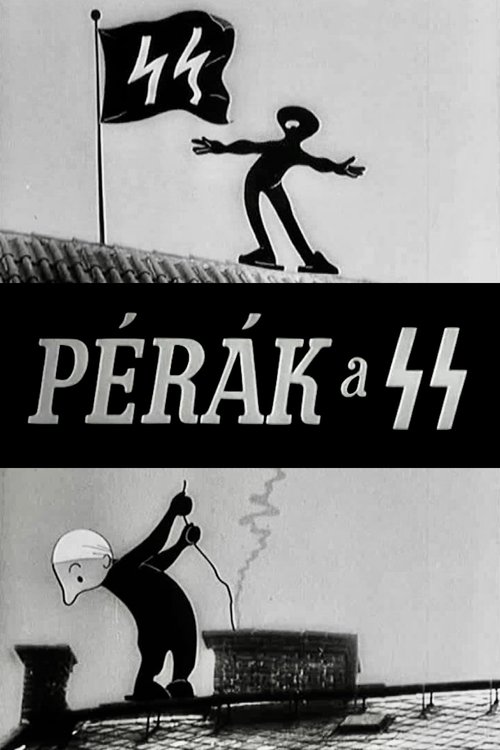
Springman and the SS
1946
No user ratings available yet
Representation score: 3.8 out of 10

Representation Score
Good
1947
Director
František Sádek, Hermína Týrlová
Runtime
14 minutes
Average Rating
No ratings yetNew Showbiz Analysis
Revolution in Toyland uses animation to explore themes of resistance and power through metaphor. By centering the roles of inanimate objects, the film challenges traditional hierarchies of strength and authority. The work excels in its cultural critique, framing the disruption of military order as a heroic necessity. While it lacks specific representation for LGBTQ+ or disabled characters, its metaphorical use of toys provides a sophisticated look at underrepresented resistance. Ultimately, the film's strength lies in its ability to use non-human characters to navigate complex social landscapes and challenge systemic oppression.
Category Breakdown
The film does not explicitly depict LGBTQ+ identities or relationships that go beyond the assumption that everyone is straight or cisgender. The story focuses on the conflict between the toymaker and the occupying forces.
The story challenges traditional gender roles by giving toys, which are often associated with the domestic sphere, significant roles in driving the plot. These toy characters successfully overthrow a dominant, masculine military authority figure.
The film uses toys as a metaphor for different underrepresented groups resisting an oppressive occupier. This proxy allows for an exploration of collective resistance under systemic pressure.
The narrative strongly critiques institutional power by presenting the Nazi occupation as a corrupt force. It celebrates subversive, anti-authoritarian resistance through the toymaker's secret messages.
There are no clear depictions of physical or neurodivergent disabilities within the film's narrative.
Present on Screen
Limited or Absent
Official Synopsis
In WWII Czechoslovakia, an old toymaker incorporates secret messages in his models to fool the Germans. They find him out and he flees. As the Gestapo officer hunts around he is attacked by the toys, who send him packing. Live action and stop motion short by Hermína Týrlová.
1946
1999
1939
1941

1966
1959
1931
1942
No reviews yet. Be the first to share your thoughts on this movie!
Use the rating form above to leave a star rating and optional review.