Lykantropia
1981
No user ratings available yet
Diversity score: 5.7 out of 10
1949
Director
Viktor Gromov
Runtime
11 minutes
Average Rating
No ratings yetSynopsis
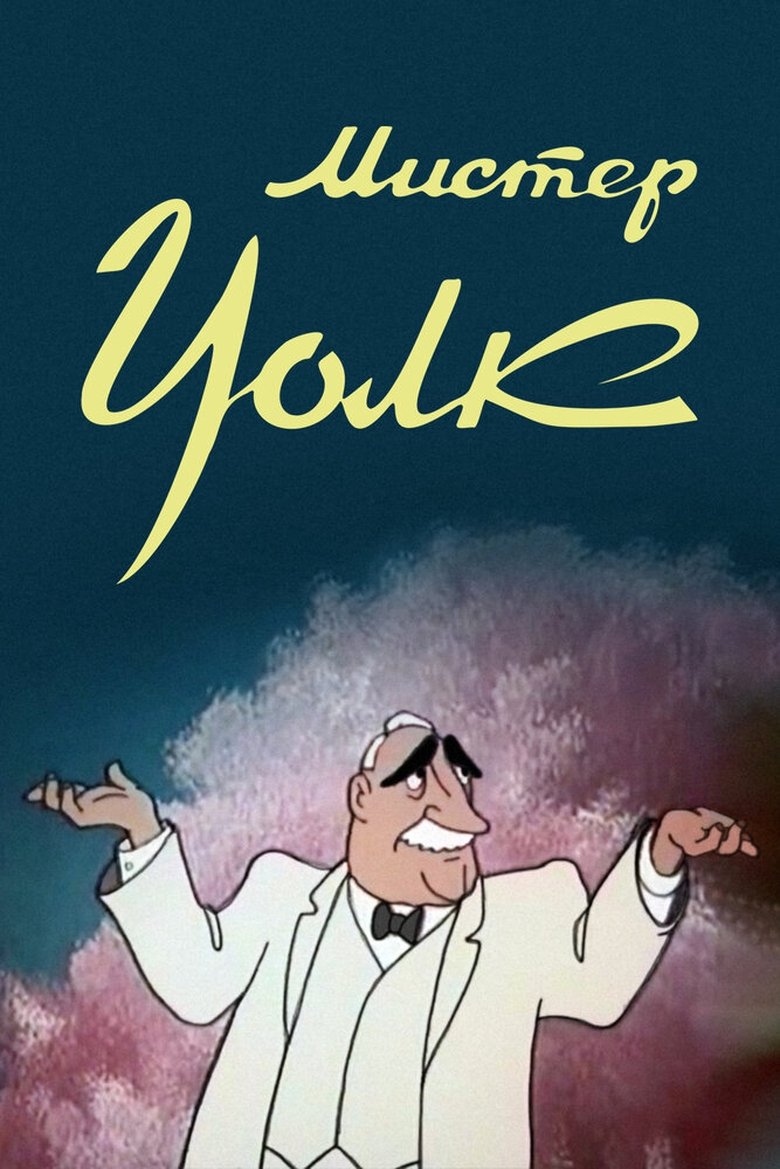
Film pamphlet based on satirical play of Evgeny Petrov "Island of Peace". Funky by atomic hysteria, American businessman Mr Wolf quits his business and with his family leaves on a secluded island.
Overall Score
Fair
Category Breakdown
LGBTQ+ Representation
The film focuses on a traditional family unit, offering no explicit evidence of non-cisnormative identities. While the satirical source material might critique social norms, the narrative remains centered on conventional domestic structures.
Gender Representation
The story features a traditional family, though it is unclear if female characters possess agency. The satirical framework may use domestic roles to highlight the absurdity of mid-century social expectations.
Racial & Ethnic Diversity
The narrative centers on an American businessman, a role that historically leans toward a homogeneous Western demographic. The cast likely reflects a Western-centric view to facilitate its critique of American capitalism.
Religious & Cultural Diversity
The film provides a sharp critique of Western institutions and capitalist progress. By framing a businessman's retreat as a response to atomic hysteria, it disrupts conventional narratives of industrial stability.
Disability Representation
There is no evidence regarding the depiction of physical or neurodivergent disabilities within the available synopsis.
Strengths
Areas for Improvement
AI Analysis
Mister Wolf serves as a satirical critique of Western capitalist structures and the psychological impact of the Atomic Age. It uses the trope of an American businessman retreating to a secluded island to challenge the stability of traditional economic systems. While the film excels in its cultural subversion and systemic critique, it lacks diversity in personal identity. The focus on a traditional family unit and a Western-centric protagonist limits the scope of representation. Ultimately, the film's strength lies in its ideological disruption rather than its demographic breadth, offering a pointed look at mid-century social anxieties through a specific political lens.
1981

1957

1955

1990
1973

1984

1984

1984
1981

1981
1980
1989
No reviews yet. Be the first to share your thoughts on this movie!
Use the rating form above to leave a star rating and optional review.