
The Tiger of Eschnapur
1959
No user ratings available yet
Representation score: 1.2 out of 10
Representation Score
Limited
1960
Director
Fernando Cerchio
Runtime
109 minutes
Average Rating
No ratings yetNew Showbiz Analysis
Cleopatra's Daughter is a classic Peplum-era melodrama that prioritizes historical romanticism over social deconstruction. While it provides a central female lead who play a significant role in driving the story, the narrative remains firmly rooted in the patriarchal and Eurocentric standards of 1960s European cinema. The film's approach to diversity is functional rather than intentional. Characters like Nemorat use disability as a tool for plot tension, and the casting reflects a Mediterranean-centric view of ancient Egypt rather than a multi-layered approach to diversity. Ultimately, the film reinforces classical power structures and traditional hierarchies, making it a product of its time rather than a progressive exploration of identity.
Category Breakdown
The film focuses on traditional political marriages and heterosexual romance. There is no presence of LGBTQ+ identities or same-sex intimacy.
Sushila navigates a high-stakes political landscape who play a significant role in driving the story. However, the film adheres to patriarchal structures and focuses on female emotionality.
Mediterranean actors portray Egyptian royalty, avoiding extreme Hollywood-style whitewashing. This maintains a Eurocentric aesthetic for a North African setting.
The story follows Western storytelling structures centered on monarchy and romanticism. It lacks any deconstruction of traditional institutions or secularist themes.
Pharaoh Nemorat's mental instability serves as a plot device for political tension. The portrayal lacks a nuanced exploration of neurodivergence.
Present on Screen
Limited or Absent
Official Synopsis
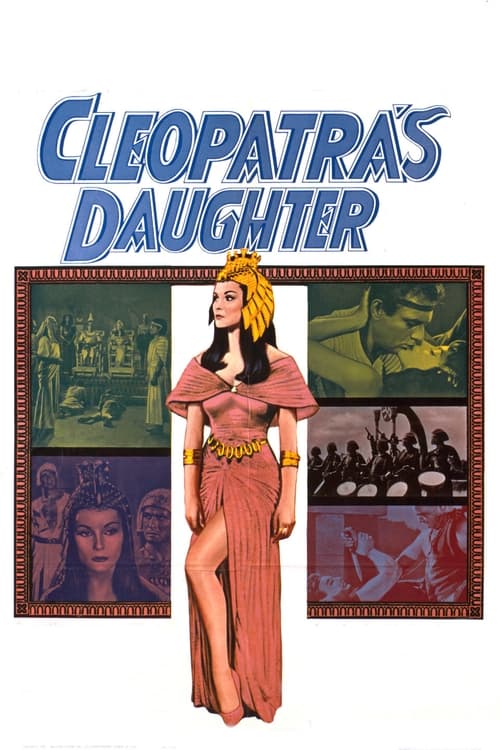
The beautiful young Sushila is forced into a political marriage with young Pharaoh Nemorat in order to consolidate power. However, the young Pharaoh is beset with mental illness and the marriage becomes dangerous, all the while the chief advisor Kefren and his scheming mistress plot to destroy the unstable pair.
1959
1959
1959
1963
1958
1954
1964
1934
No reviews yet. Be the first to share your thoughts on this movie!
Use the rating form above to leave a star rating and optional review.