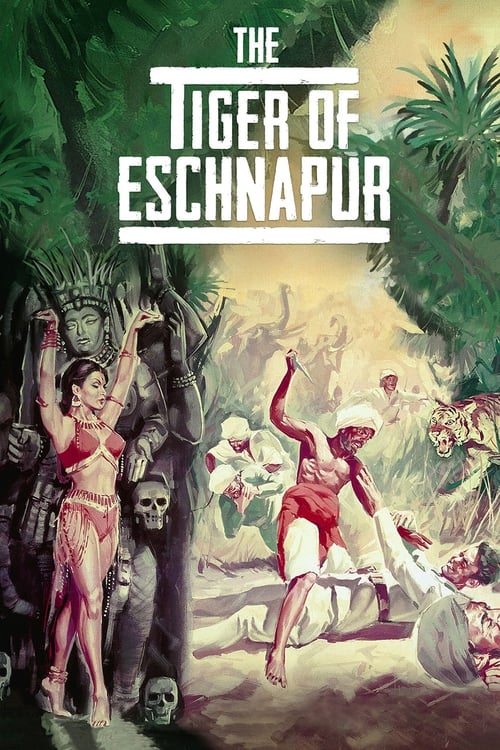
The Tiger of Eschnapur
1959
No user ratings available yet
Representation score: 1.2 out of 10
Representation Score
Minimal
1959
Director
Fritz Lang
Runtime
97 minutes
Average Rating
No ratings yetNew Showbiz Analysis
弗里茨·朗的冒险电影是其时代的产物,注重异国情调的风格而非多层身份的代表。尽管有多个族裔的演员阵容,权力动态通过东方主义的视角来呈现。东方被描绘为西方人物解码的神秘之地。 主角的自主权分布不均,西方主人公推动调查和英雄主义。这种依赖殖民时代公式限制了文化和性别表现的深度。 最终,这部电影作为一个以异国情调为催化剂的类型驱动作品,推动西方人物的发展,而不是一个自我决定的空间。
Category Breakdown
The film focuses on a traditional heterosexual relationship and does not include any characters with non-conforming gender identities or sexual orientations. It does not challenge the assumption that everyone is straight or cisgender.
Seetha plays a central role in the emotional storyline, while male characters主导物理英雄主义。叙事强化了传统等级制度,男性作为主要救援者。
虽然演员阵容反映了印度背景,但镜头受到西方视角的影响较大。印度角色和地点经常作为西方考古谜团的背景出现。
电影利用宗教和文化场所主要是作为情节装置或好奇对象。它缺乏现代叙事中的道德相对论或反体制批评。
影片中没有明显体现身体、感官或神经多样性的残疾。
Present on Screen
Limited or Absent
Official Synopsis
Seetha and Harold Berger are rescued from the desert by a caravan and brought to a small village. However, the greedy owner of the house where they are lodged betrays the law of hospitality and reveals their location to Prince Ramigani. The couple tries to escape but is hunted and captured by Ramigani and his men. Meanwhile Irene Rhode and her husband Walter Rhode suspect that Maharaja Chandra is not telling the truth about Harold's destiny. The conspirator Ramigani forces Seetha to accept to get married with Chandra to provoke the wrath of the priests and get the alliance of Prince Padhu and his army. In the meantime, Harold succeeds in escaping from the dungeon and seeks out Seetha to save her.
1959
1940
1921
1924
1960
1951
1989
1954
No reviews yet. Be the first to share your thoughts on this movie!
Use the rating form above to leave a star rating and optional review.