Anne of the Thousand Days
1969
No user ratings available yet
Representation score: 2.8 out of 10
Representation Score
Fair
1934
ApprovedDirector
Josef von Sternberg
Runtime
104 minutes
Average Rating
No ratings yetNew Showbiz Analysis
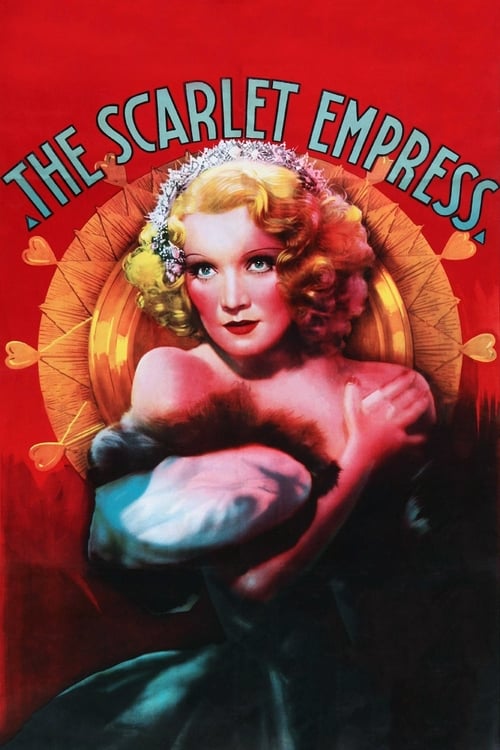
The film is a compelling exploration of gendered power, featuring a female protagonist who wields significant political influence. Catherine undermines male authority through strategic manipulation, challenging typical male leadership roles. However, the film is constrained by the conventions of its time, offering little in terms of LGBTQ+ or racial diversity. The cast is uniform, and the narrative lacks any queer-coded characters or diverse ethnic perspectives. Ultimately, the film's strength lies in its moral complexity. It eschews traditional heroic archetypes in favor of a protagonist navigating a morally ambiguous, corrupt institutional environment.
Category Breakdown
The film does not include any explicit LGBTQ+ characters or same-sex relationships. The story centers on heterosexual romances and power struggles.
Catherine plays a crucial role in driving the plot, using intelligence and sexuality to navigate political challenges. The film challenges traditional male leadership by showing it as incompetent and unstable.
The cast consists of white European actors, adhering to the historical context and 1934 film standards. It uses an Orientalist visual style without intentional racial diversity.
The story dismantles traditional institutions by depicting a world of decadence and corruption. It emphasizes moral relativism and situational ethics over conventional religious or moral standards.
There are no prominent depictions of physical or neurodivergent disabilities that serve as central character arcs or plot devices.
Present on Screen
Limited or Absent
Official Synopsis
During the 18th century, German noblewoman Sophia Frederica, who would later become Catherine the Great, travels to Moscow to marry the dimwitted Grand Duke Peter, the heir to the Russian throne. Their arranged marriage proves to be loveless, and Catherine takes many lovers, including the handsome Count Alexei, and bears a son. When the unstable Peter eventually ascends to the throne, Catherine plots to oust him from power.
1969
1934
2009
1936
1963
1956
2008
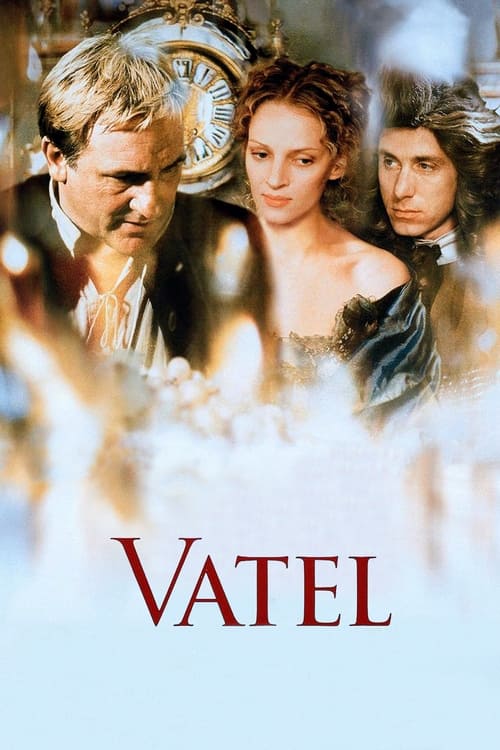
2000
No reviews yet. Be the first to share your thoughts on this movie!
Use the rating form above to leave a star rating and optional review.