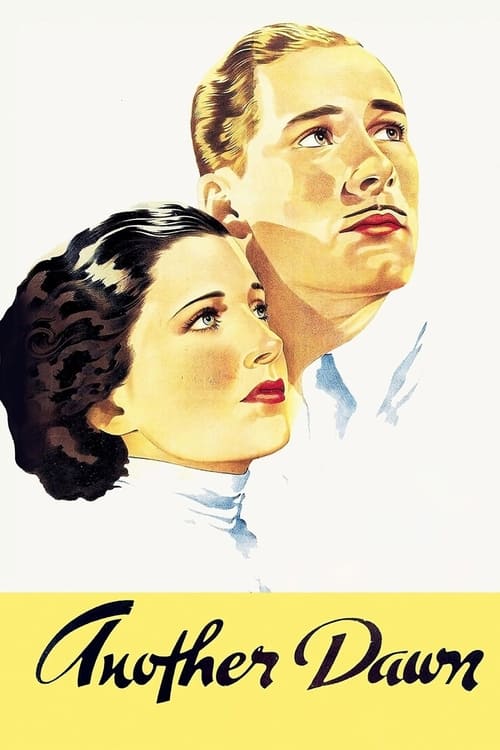
Another Dawn
1937
No user ratings available yet
Representation score: 0.7 out of 10
Representation Score
Minimal
1959
Director
Guido Brignone
Runtime
98 minutes
Average Rating
No ratings yetNew Showbiz Analysis
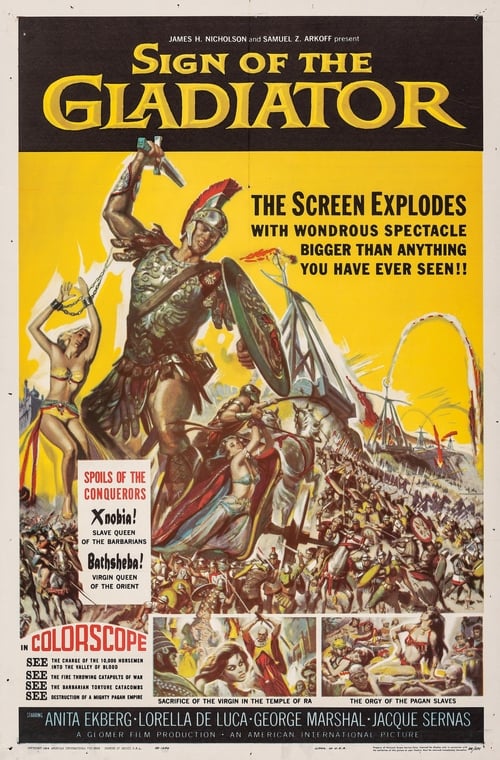
Sign of the Gladiator is a classic example of 1950s Italian adventure cinema, emphasizing traditional heroic archetypes over contemporary social issues. The film follows the rigid narrative structures of the era, focusing on physical heroism and conventional romantic plots. Diversity is limited, as the film upholds the social hierarchies and casting norms of its time. It fails to represent LGBTQ+ identities or disabilities, and gender and racial depictions remain strictly traditional. Ultimately, the film offers a historical perspective of mid-century adventure cinema, presenting a world defined by idealized strength and traditional moral binaries rather than diverse viewpoints.
Category Breakdown
The film does not include any LGBTQ+ characters or explore non-straight relationships. The love story revolves around a typical heterosexual couple.
Gender roles adhere to the conventions of 1950s action films, emphasizing male dominance in both action sequences and moral decisions. Female characters are often portrayed through the 'damsel' stereotype, where their roles are defined by their relationships to men.
The cast is predominantly of a single ethnicity, reflecting the production standards of the era. The Roman setting is depicted through a uniform ethnic lens, lacking varied representations of different backgrounds.
The story centers on classical heroism and individual honor, avoiding broader social critiques. It operates within a traditional moral framework, clearly distinguishing heroes from villains.
There are no characters with disabilities in the film. The narrative focuses almost entirely on idealized physical strength and combat skills.
Present on Screen
Limited or Absent
Official Synopsis
Zenobia, Queen of Palmira, revolts against Rome and defeats the Roman troops, but she makes a big mistake when she falls in love with enemy officer Marco Valerio.
1937
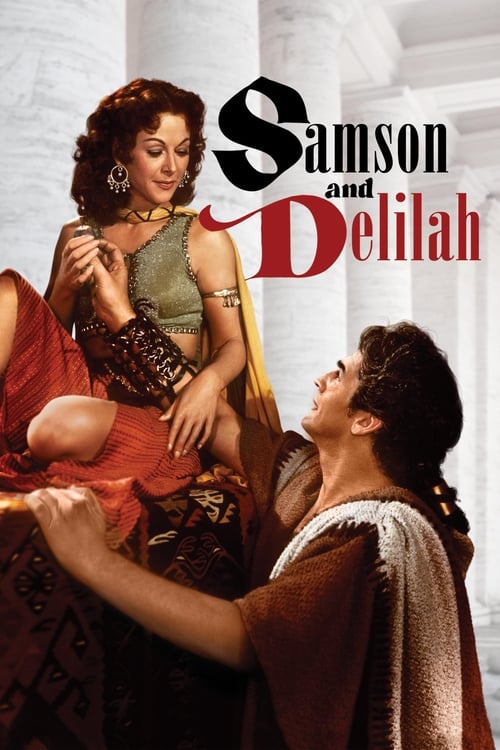
1949
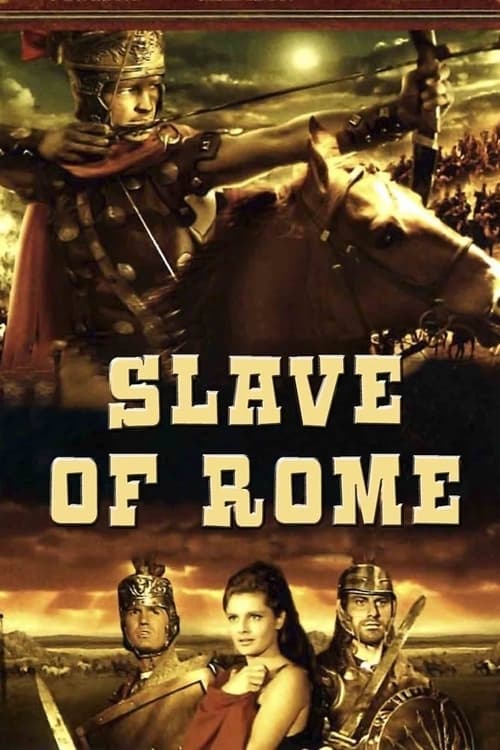
1961
1959
1960

1951
1955
1959
No reviews yet. Be the first to share your thoughts on this movie!
Use the rating form above to leave a star rating and optional review.