The King's Thief
1955
No user ratings available yet
Representation score: 1.1 out of 10
Representation Score
Limited
1958
ApprovedDirector
Henry Koster
Runtime
111 minutes
Average Rating
No ratings yetNew Showbiz Analysis
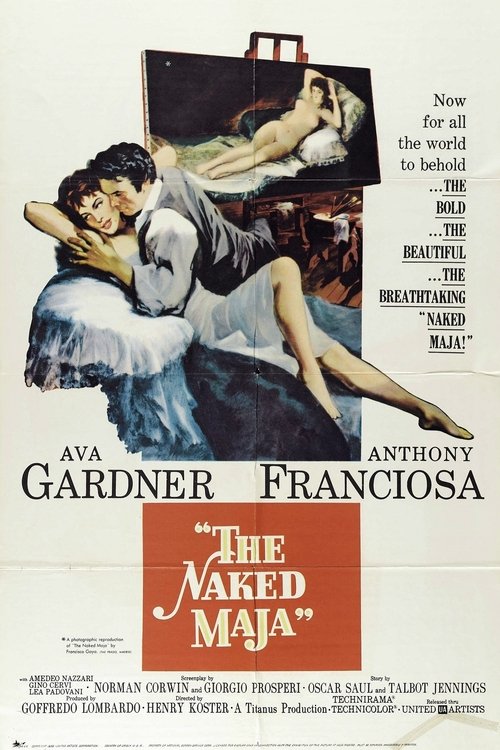
The Naked Maja is a period drama that emphasizes historical romance and classical storytelling rather than social disruption. It captures the interplay between art and nobility but remains firmly rooted in the cinematic conventions of 1958. The film focuses on the relationship between Francisco Goya and the Duchess of Alba, exploring individual passion without challenging traditional hierarchies or providing depth on multiple aspects of identity. Ultimately, the production serves as a traditional historical piece reflecting the demographic and moral standards of the late 18th-century Spanish court and the mid-century studio era.
Category Breakdown
The film focuses on a traditional heterosexual romance between Goya and the Duchess. There are no characters with non-conforming gender identities or same-sex relationships.
The Duchess of Alba is a strong central character, but her influence is often defined through romantic clichés. She primarily serves as a muse within a patriarchal system.
The cast reflects the predominantly white, aristocratic Spanish court of the late 18th century. It does not include diverse casting to challenge the historical status quo.
The narrative follows typical 1950s dramatic arcs and Western historical frameworks. It does not critique institutions like the church or the aristocracy.
There are no characters with physical or neurodivergent disabilities in the narrative.
Present on Screen
Limited or Absent
Official Synopsis
A historical fiction based on the lives of the artist Goya and the Duchess of Alba.
1955

1959
1958
1955
1960
1952
1952
1948
No reviews yet. Be the first to share your thoughts on this movie!
Use the rating form above to leave a star rating and optional review.