
Quo Vadis
1951
No user ratings available yet
Representation score: 2.4 out of 10
Representation Score
Limited
1963
GDirector
Joseph L. Mankiewicz
Runtime
251 minutes
Average Rating
No ratings yetNew Showbiz Analysis
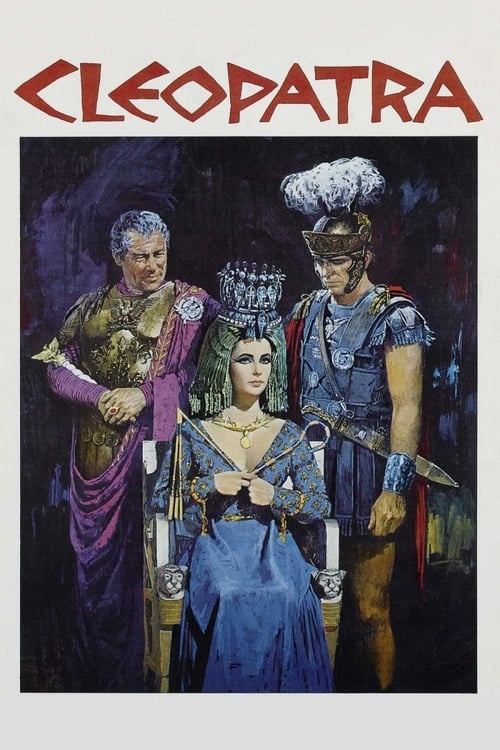
The film highlights Cleopatra's political acumen and her role as a central driver of historical shifts, challenging traditional gender hierarchies. However, its strengths are undermined by the whitewashing of the cast, which limits the film's cultural authenticity and racial diversity. The work balances classical Hollywood archetypes with nuanced character studies, providing a complex look at power dynamics and political maneuvering.
Category Breakdown
The film does not include any LGBTQ+ identities or perspectives on non-assuming gender matches what was assigned at birth identities.
Cleopatra is a central character who uses her intelligence and political influence to navigate male-dominated hierarchies. She remains the primary driver of political changes.
The film casts Elizabeth Taylor as a North African ruler, reflecting 1960s whitewashing and failing to provide authentic racial representation for the Egyptian setting.
The film examines the conflict between Roman expansion and Egyptian sovereignty, critiquing the mechanics of empire through a lens of political survival and situational ethics.
The film does not feature any characters with visible or invisible disabilities being used as central plot devices or portrayed with significant roles.
Present on Screen
Limited or Absent
Official Synopsis
Determined to hold on to the throne, Cleopatra seduces the Roman emperor Julius Caesar. When Caesar is murdered, she redirects her attentions to his general, Marc Antony, who vows to take power—but Caesar’s successor has other plans.
1951
1934
1953
1969

1970

1934
1975

1956
No reviews yet. Be the first to share your thoughts on this movie!
Use the rating form above to leave a star rating and optional review.