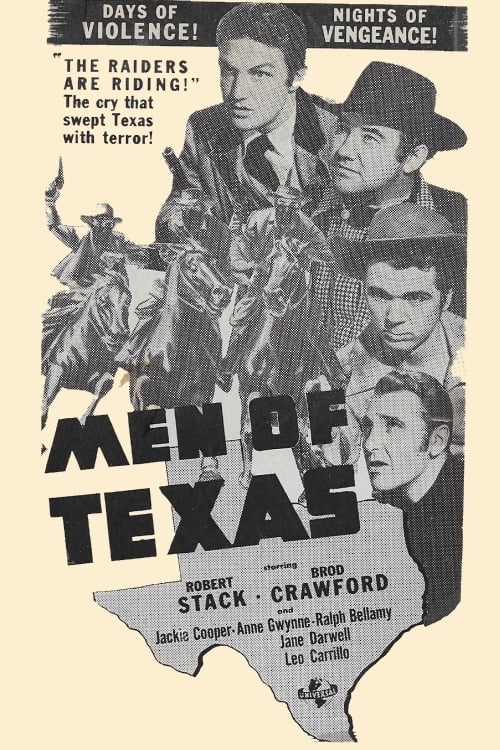
Men of Texas
1942
No user ratings available yet
Diversity score: 1.9 out of 10
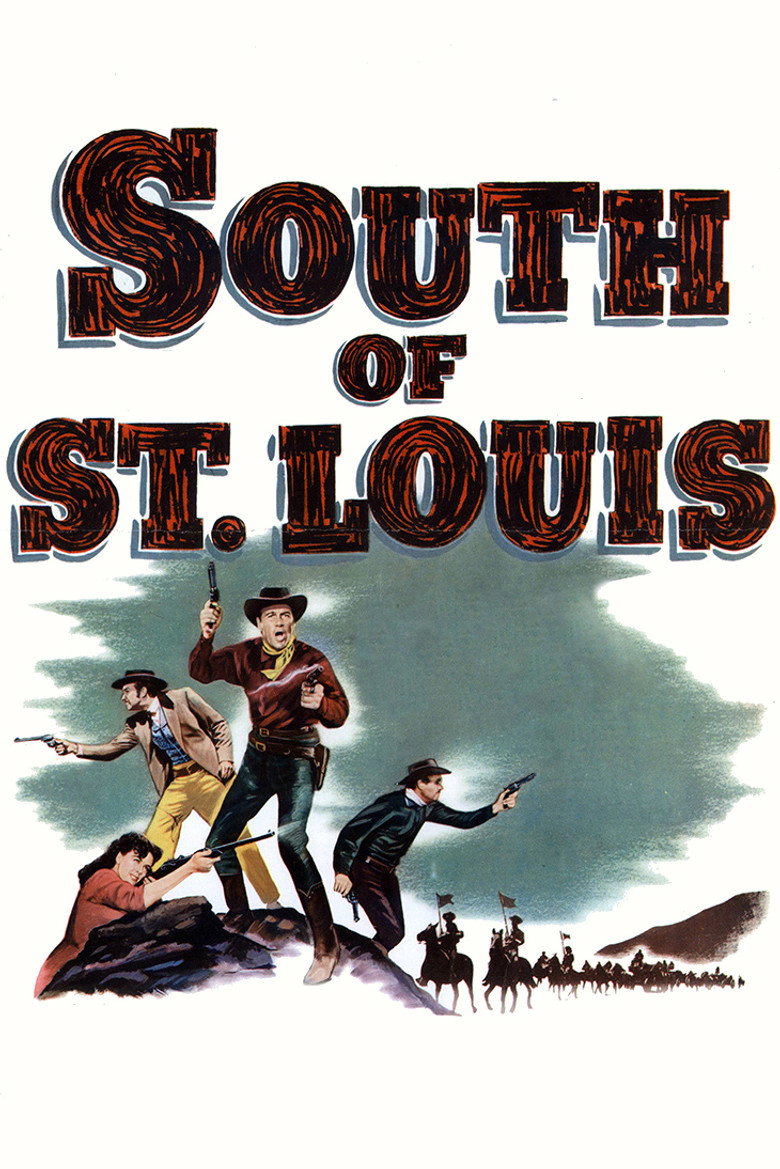
1949
NRDirector
Ray Enright
Runtime
88 minutes
Average Rating
No ratings yetSynopsis
With the advent of the American Civil War, three partners in a ranch see how this is destroyed. Needing money, will join the Confederate troops, each for their particular motivations.
Overall Score
Minimal
Category Breakdown
LGBTQ+ Representation
The film contains no discernible LGBTQ+ characters or non-heteronormative identities. It operates within a conventional heteronormative framework typical of the post-war era.
Gender Representation
Narrative agency is concentrated almost exclusively within male protagonists. While women exist within the social fabric, they occupy traditional roles that reinforce patriarchal structures.
Racial & Ethnic Diversity
The cast is predominantly homogeneous, reflecting the era's tendency to center white, Anglo-Saxon perspectives. There is minimal representation of diverse ethnic groups or high-agency characters of color.
Religious & Cultural Diversity
The story reinforces traditional Western institutional values like frontier law and property. It lacks moral relativism, framing justice and duty through a standard, traditional lens.
Disability Representation
There is no evidence of characters with visible or invisible disabilities being portrayed with agency. The film does not utilize disability as a central narrative element.
Strengths
Areas for Improvement
AI Analysis
South of St. Louis is a quintessential mid-century Western that adheres strictly to the social hierarchies of 1949 Hollywood. The plot centers on three ranching partners driven by personal motivations to join Confederate troops during the Civil War. The film functions as a traditional period piece, prioritizing masculine leadership and established Western institutions. It lacks the intersectional complexity or systemic critique found in more contemporary cinema, instead favoring conventional character archetypes. Ultimately, the production reflects the era's standard approach to storytelling, offering a homogeneous perspective that centers on white, Anglo-Saxon social norms.
1942
1950
1947

1949

1953
1951
1951
1933
1940
1939

1951
1943
No reviews yet. Be the first to share your thoughts on this movie!
Use the rating form above to leave a star rating and optional review.