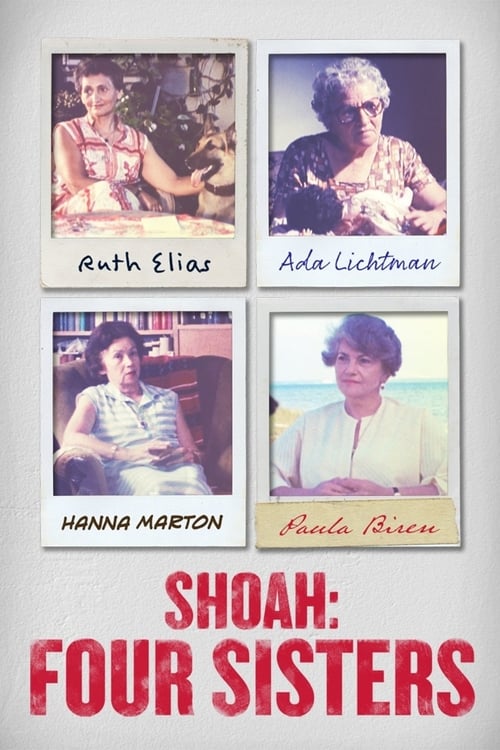
Shoah: Four Sisters
2018
No user ratings available yet
Diversity score: 7.3 out of 10
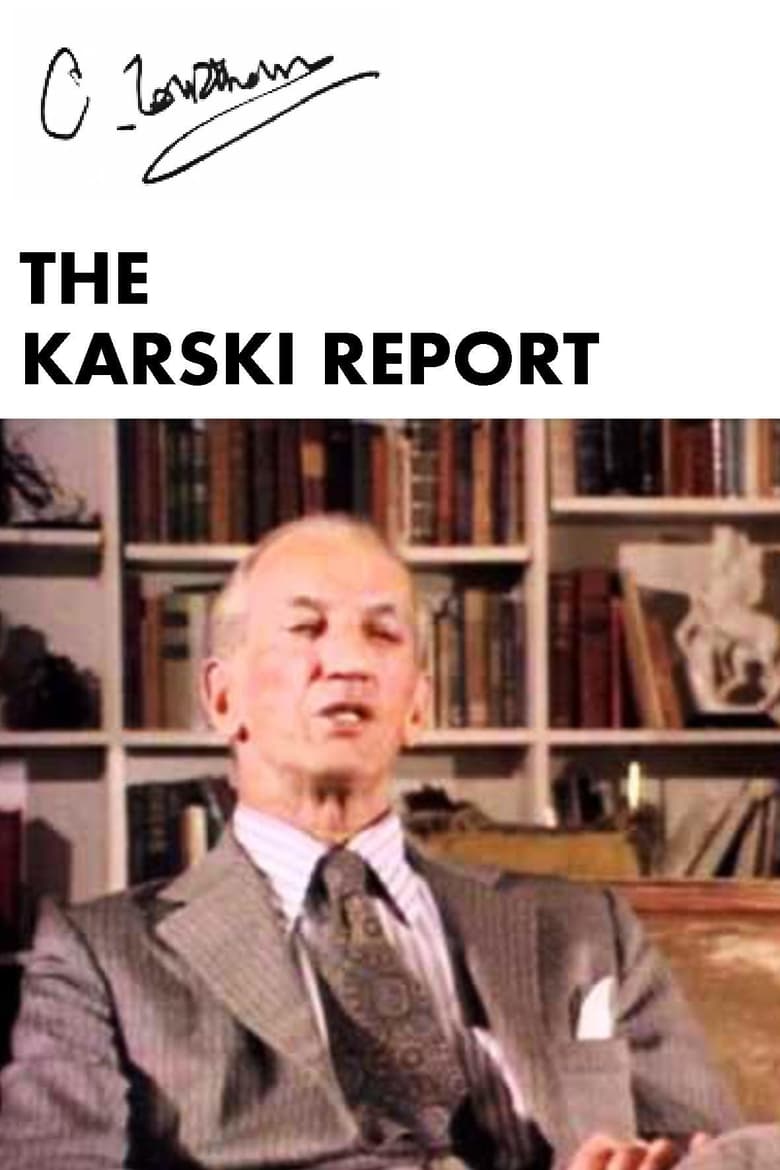
2010
Director
Claude Lanzmann
Runtime
48 minutes
Average Rating
No ratings yetSynopsis
A powerful new film about Jan Karski, the Polish resistance figure who attempted to expose the Warsaw Ghetto and Belzec, and met with President Franklin D. Roosevelt and Supreme Court Justice Felix Frankfurter.
Overall Score
Good
Category Breakdown
LGBTQ+ Representation
The film focuses on the geopolitical crisis of the Holocaust and Polish resistance. There are no explicit LGBTQ+ character arcs or narratives addressing heteronormativity within the historical context.
Gender Representation
The narrative centers on Jan Karski and his interactions with male political figures like Roosevelt and Frankfurter. This reflects the inherent gender imbalance of the era's diplomatic landscape.
Racial & Ethnic Diversity
The documentary disrupts Anglo-centric history by centering a Polish resistance figure and the Jewish experience. It highlights the agency of non-Western actors during World War II.
Religious & Cultural Diversity
The film critiques the failures of Western institutions to act against systemic oppression. It portrays the struggle of marginalized groups against the indifference of established state power.
Disability Representation
There is no specific evidence regarding the portrayal of physical or neurodivergent disabilities in this work.
Strengths
Areas for Improvement
AI Analysis
The film provides a powerful disruption of traditional Western-centric historical narratives. By centering Jan Karski and the atrocities of the Warsaw Ghetto, it shifts the focus from global leaders to the agency of those resisting systemic genocide. However, the documentary is constrained by its historical subject matter. The focus on high-level male political figures and the era's patriarchal institutions results in a notable gender imbalance and a lack of explicit LGBTQ+ representation. Ultimately, the work succeeds as a critique of institutional complicity. It moves beyond simple biography to examine the friction between individual witness and the inertia of global political powers.
2018
2013
2001

2013
2003
2025
2008
2019
1995

2016
2007
2018
No reviews yet. Be the first to share your thoughts on this movie!
Use the rating form above to leave a star rating and optional review.