A Visitor from the Living
1999
No user ratings available yet
Representation score: 6.1 out of 10
Representation Score
Good
2018
Not RatedDirector
Claude Lanzmann
Runtime
273 minutes
Average Rating
No ratings yetNew Showbiz Analysis
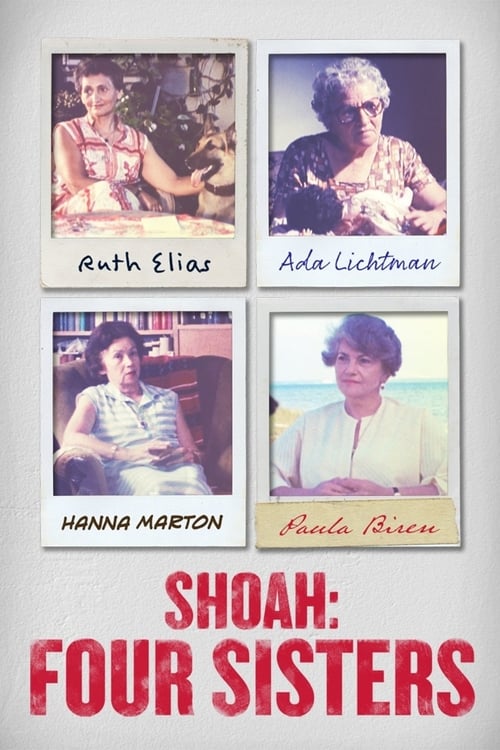
Claude Lanzmann’s documentary disrupts traditional historical frameworks by centering the testimonies of four women from Eastern Europe. The film moves away from monolithic portrayals of the region, instead focusing on the specific, improbable destinies of individual survivors. By prioritizing women's ability to act, the work challenges patriarchal narratives that often sideline women's experiences during wartime. It shifts the focus from state-sanctioned history to a more human-centric, subjective view of survival and systemic vulnerability. While the film excels in gender and regional representation, it lacks explicit information regarding LGBTQ+ identities or specific disability portrayals. It remains a powerful study of the overlapping aspects of geography and gender.
Category Breakdown
The film focuses on the lived experiences of four women in post-war Eastern Europe. There is no explicit evidence regarding the depiction of non-straight relationships.
The narrative centers entirely on women's ability to act and subjectivity. It disrupts patriarchal historiography by presenting women as central architects of their own post-war destinies.
The work provides significant visibility to Eastern European identities. It promotes a nuanced understanding of ethnic complexity and the localized impacts of global conflict.
The film engages with the aftermath of systemic collapse. It prioritizes individual truth over state-sanctioned history, critiquing the failure of traditional institutions.
The film deals with the psychological trauma of war. However, there is insufficient evidence to determine if specific disabilities are portrayed with real power.
Present on Screen
Limited or Absent
Official Synopsis
Since 1999, Claude Lanzmann has made several films that could be considered satellites of Shoah, comprised of interviews conducted in the 1970s that didn’t make it into the final, monumental work. He has just completed a series of four new films, built around four women from four different areas of Eastern Europe with four different destinies, each finding herself unexpectedly and improbably alive after war’s end.
1999

1985
2015
1998
2017
2014
2001
2012
No reviews yet. Be the first to share your thoughts on this movie!
Use the rating form above to leave a star rating and optional review.