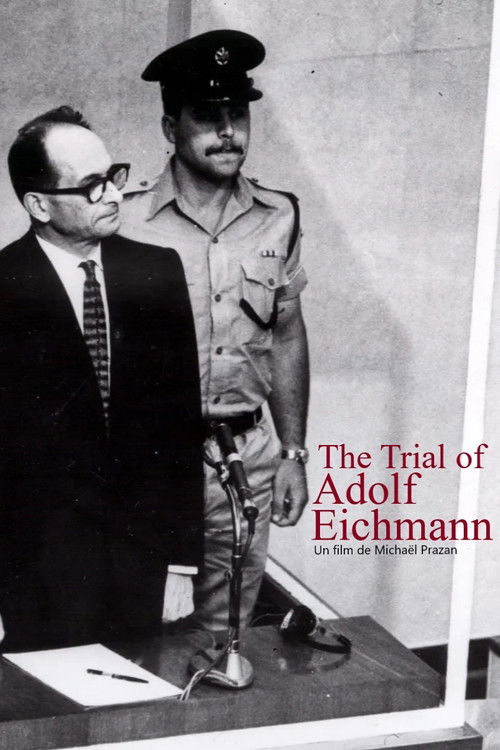
The Trial of Adolf Eichmann
2011
No user ratings available yet
Representation score: 5.6 out of 10
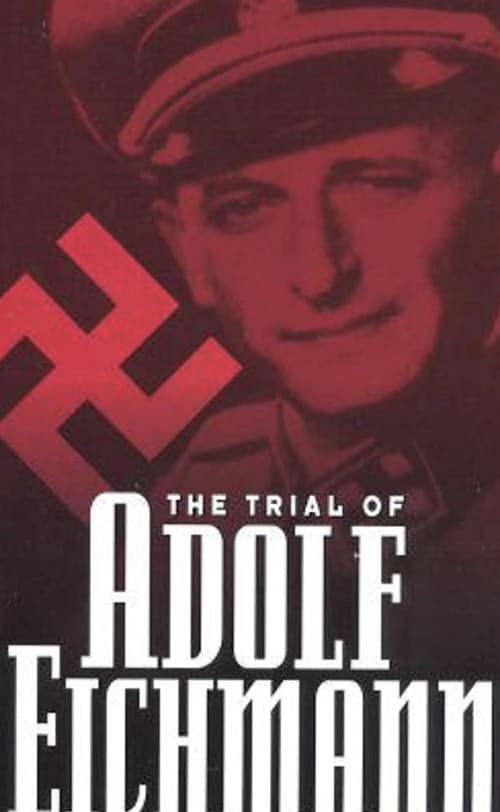
Representation Score
Fair
1997
Director
Daniel A. Miller
Runtime
116 minutes
Average Rating
No ratings yetNew Showbiz Analysis
The documentary serves as a rigorous historical examination of the mechanics of state-sponsored atrocity. Its primary strength lies in its centering of Jewish survivors and the legal pursuit of justice, which disrupts traditional Eurocentric historical narratives. However, the film is limited by the historical context of its subject matter. The focus on mid-century military and legal bureaucracies results in a lack of gender diversity and no representation of LGBTQ+ identities. Ultimately, the work succeeds as a critique of institutionalized cruelty. It uses archival evidence to give real power to victims of racialized violence, even while operating within a narrow historical scope.
Category Breakdown
The documentary focuses solely on the historical legal proceedings of the Holocaust. There are no LGBTQ+ characters or narratives present in the archival footage or interviews.
The film centers on male-dominated spheres of mid-century law and Nazi bureaucracy. The narrative reflects the historical reality where legal and political power was concentrated among men.
The film achieves high marks by centering the Jewish experience and systemic persecution. It prioritizes the voices of survivors and Israeli legal professionals over traditional Eurocentric perspectives.
The narrative critiques how state structures can be weaponized against humanity. It explores the tension between state authority and universal human rights through a framework of historical justice.
The documentary acknowledges Holocaust victims, including those targeted for physical and mental disabilities. This provides a somber recognition of how systemic oppression affects the disabled.
Present on Screen
Limited or Absent
Official Synopsis
David Brinkley hosts this shattering two-hour documentary about the trial of the man whose role in deporting the Jews of Europe for extermination made him the target of a 15-year manhunt by Israeli agents. Rare videotapes of the trial, exclusive interviews with courtroom witnesses, prosecutors, and others recount the emotionally explosive proceedings.
2011
1998

1999
2015
2016

1985

2013

2001
No reviews yet. Be the first to share your thoughts on this movie!
Use the rating form above to leave a star rating and optional review.