
Whitewash: The Clarence Brandley Story
2002
No user ratings available yet
Representation score: 4.6 out of 10
Representation Score
Limited
1999
PG-13Director
Joseph Sargent
Runtime
101 minutes
Average Rating
No ratings yetNew Showbiz Analysis
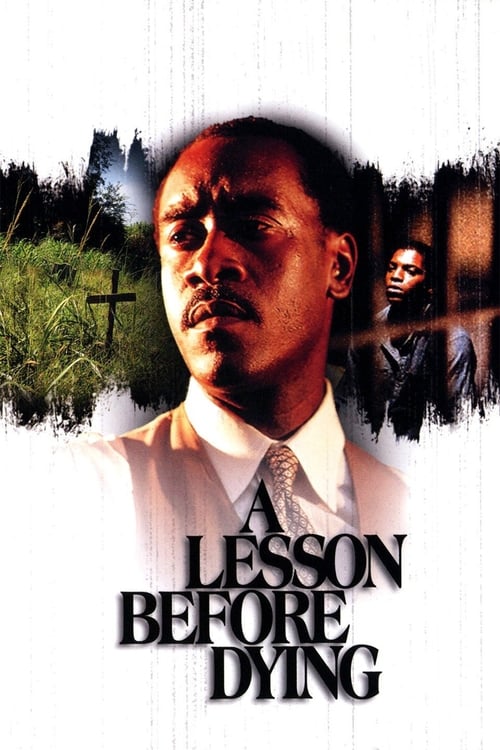
A Lesson Before Dying is a powerful critique of systemic injustice in the 1940s South. It excels by centering the intellectual dignity and ability to act of Black characters, effectively challenging the dehumanizing effects of white supremacy. The film’s strength lies in its refusal to rely on white savior clichés, instead emphasizing the struggle for human dignity within a corrupt legal system. This provides a profound deconstruction of institutional authority. However, the film remains confined by the patriarchal and straight-centered structures of its time. While it explores racial power dynamics, it offers limited representation of LGBTQ+ identities or significant female-led narratives.
Category Breakdown
The film does not include any LGBTQ+ characters or narratives. It focuses on the social structures of the 1940s Jim Crow South, which assume everyone is straight.
The story centers around male interpersonal dynamics within a patriarchal framework. Women play important roles but mainly support the male-driven narrative arc.
The film stands out by highlighting the intellectual dignity and ability to act of Black characters. It avoids the white savior cliché by focusing on the resilience of its characters.
The narrative criticizes the Southern judicial system as corrupt and oppressive. Religious institutions are shown as pillars of community resilience against systemic failures.
There are no significant depictions of physical or neurodivergent disabilities that are central to the narrative arc.
Present on Screen
Limited or Absent
Official Synopsis
In the 1940s South, an African-American man is wrongly accused of the killing a a white store owner. In his defense, his white attorney equates him with a lowly hog, to indicate that he didn't have the sense to know what he was doing. Nevertheless convicted, he is sentenced to die, but his godmother and the aunt of the local schoolteacher convince school teacher go to the convicted man's cell each day to try to reaffirm to him that he is not an animal but a man with dignity.
2002

1990
2009

1989
1998

1950

1949

1965
No reviews yet. Be the first to share your thoughts on this movie!
Use the rating form above to leave a star rating and optional review.