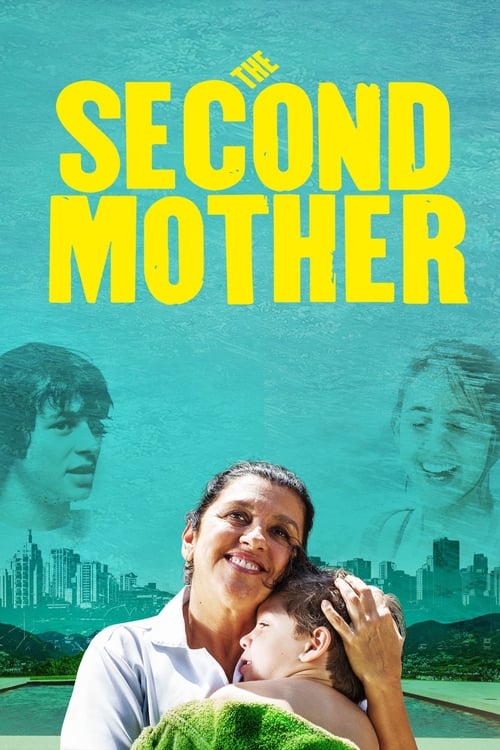
The Second Mother
2015
No user ratings available yet
Representation score: 6.1 out of 10

Representation Score
Good
2014
UnratedDirector
Jean-Paul Civeyrac
Runtime
95 minutes
Average Rating
No ratings yetNew Showbiz Analysis
Jean-Paul Civeyrac’s drama succeeds by placing a underrepresented perspective within a traditionally dominant social framework. The film avoids a color-blind approach, instead highlighting the intersection of race and class to create narrative tension. By focusing on Victoria’s actions, the film challenges the typical bourgeois drama. It offers a sophisticated look at how a single mother navigates systemic barriers to improve her child’s future. While the film lacks LGBTQ+ themes and disability representation, its strength lies in its nuanced exploration of socioeconomic mobility and maternal autonomy.
Category Breakdown
The film doesn't explicitly include LGBTQ+ identities or non-straight relationships. However, it avoids overly idealistic views of romance, focusing instead on the social impact of a single relationship.
Victoria is the main character who drives the story forward, making her own decisions and showing foresight. The film highlights her emotional and intellectual journey.
The story centers around a Black female protagonist who explores the tensions between different social classes. Her identity is used to highlight the complexities of race and social mobility.
The film critiques rigid Western class structures through the lens of class struggle. It emphasizes practical realities and situational ethics over traditional family-centric morals.
There are no prominent depictions of physical or neurodivergent disabilities that play central roles in the narrative.
Present on Screen
Limited or Absent
Official Synopsis
Victoria, a little black girl aged 8 from a humble background, happens to spend the night with the bourgeois family of Thomas, one of her classmates. Years later, they see each other again and Marie is the fruit of their fleeting relationship. But Victoria decides not to tell Thomas and raises her child alone. When Marie turns seven, Victoria decides that her daughter must have a better future and again turns to this family that she lost sight of long ago.
2015

2014
2016
1994

1983

2013

2018

2019
No reviews yet. Be the first to share your thoughts on this movie!
Use the rating form above to leave a star rating and optional review.