The Ernest Green Story
1993
No user ratings available yet
Representation score: 4.3 out of 10
Representation Score
Fair
1999
TV-GDirector
Charles Burnett
Runtime
94 minutes
Average Rating
No ratings yetNew Showbiz Analysis
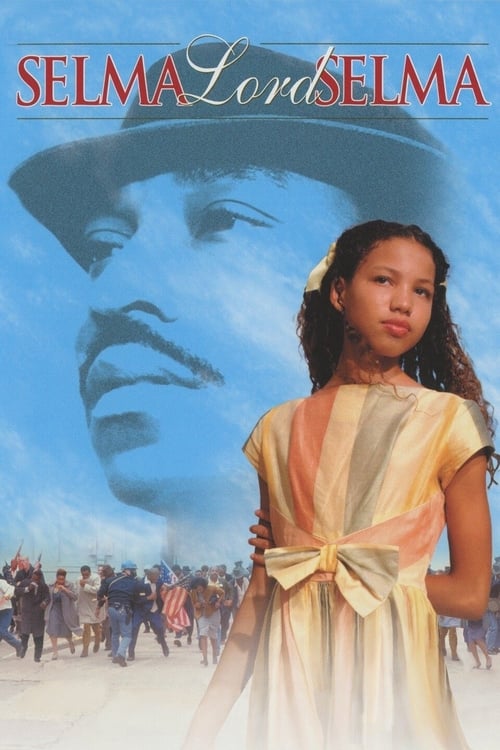
Charles Burnett’s work is a vital exercise in social realism, centering the Black experience during the Civil Rights era. By focusing on the Selma to Montgomery march through the eyes of an eleven-year-old, the film transforms historical events into deeply personal, communal struggles. The film excels in racial and cultural representation, disrupting mainstream Anglo-centric narratives by placing Black ability to act at the heart of the story. It treats the working class with immense dignity, framing their struggle against systemic oppression as a necessary disruption of a corrupt social order. However, the film remains rooted in the social realities of its period, resulting in a lack of LGBTQ+ or disability-focused narratives. While it provides a nuanced portrayal of community and resistance, it does not explicitly seek to challenge traditional gender or masculine authority structures.
Category Breakdown
The film focuses on the domestic and communal struggles of a Black family. There are no LGBTQ+ characters or non-straight relationships within the central plot.
Women are portrayed as essential pillars of the community and household through their emotional resilience. While the film depicts traditional family structures, it gives women significant dignity and control over their lives.
The film achieves exceptional representation by centering the Black experience through an all-Black cast. It elevates Black subjects from passive observers to central drivers of historical change.
The narrative explores the complexities of faith and systemic struggle in the 1960s South. It prioritizes a social-realist critique that emphasizes the dignity of the working class.
There are no prominent depictions of physical or neurodivergent disabilities that serve as central narrative drivers in this work.
Present on Screen
Limited or Absent
Official Synopsis
In 1965 Alabama, an 11 year old girl is touched by a speech by Martin Luther King, Jr. and becomes a devout follower. But her resolution is tested when she joins others in the famed march from Selma to Montgomery.
1993
1990
2000
1996
1974
1997
2001

2023
No reviews yet. Be the first to share your thoughts on this movie!
Use the rating form above to leave a star rating and optional review.