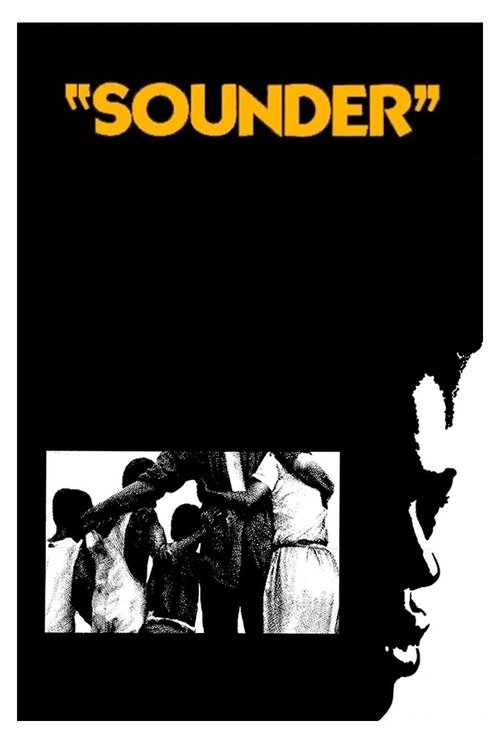
Sounder
1972
No user ratings available yet
Representation score: 3.8 out of 10

Representation Score
Fair
1976
GDirector
William A. Graham
Runtime
98 minutes
Average Rating
No ratings yetNew Showbiz Analysis
Sounder, Part 2 is a historical drama centered on the ability to act of a Black sharecropping community. By focusing on their efforts to build a school, the film shifts the narrative lens away from dominant social structures toward internal community strength and intellectual autonomy. The film excels in racial representation, using the struggle for literacy to highlight resistance against systemic inequality. This approach disrupts traditional historical clichés by prioritizing the collective action of a underrepresented group. However, the film lacks diversity in other areas. It does not include LGBTQ+ or disability representation, and the depiction of gender roles remains moderate rather than transformative.
Category Breakdown
The film does not include any LGBTQ+ characters or narratives. It does not explore non-straight relationships or identities.
The film highlights women's involvement in building a school, suggesting they play roles in education and social stewardship. However, it does not clearly challenge traditional gender hierarchies.
The story focuses on a Black sharecropping community, giving characters of color primary roles in driving the narrative. It emphasizes the self-determination and lived experiences of a underrepresented group.
The narrative critiques systemic oppression by highlighting a community's efforts to bypass corrupt educational and economic institutions. It underscores communal needs over state-imposed structures.
The film does not depict any characters with visible or invisible disabilities. There is no indication of disability representation.
Present on Screen
Limited or Absent
Official Synopsis
Poor black sharecroppers band together to build a school for their children.
1972
1965
1974

1920
1932

1945
1938
1984
No reviews yet. Be the first to share your thoughts on this movie!
Use the rating form above to leave a star rating and optional review.