
The Bad Bunch
1973
No user ratings available yet
Representation score: 5.5 out of 10
Representation Score
Fair
1986
PGDirector
John Korty
Runtime
100 minutes
Average Rating
No ratings yetNew Showbiz Analysis
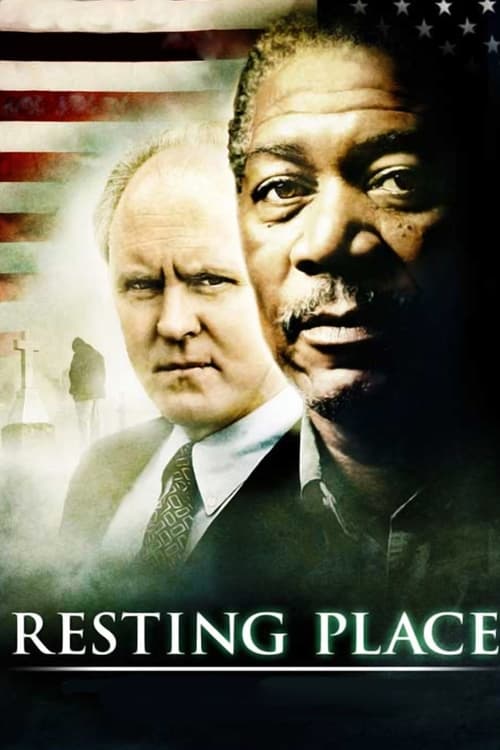
Resting Place is a realistic depiction of social issues using a localized conflict to critique systemic inequities. It avoids a sanitized version of history, instead highlighting the tension between military service and racial injustice. The film's strength lies in its disruption of the idealized image of small-town America. By exposing the power dynamics of an all-white cemetery, it challenges the notion of community cohesion in the 1970s South. While the film provides a strong critique of racial and social hierarchies, it lacks representation for LGBTQ+ identities and disabilities. This results in a narrow, though focused, lens of social commentary.
Category Breakdown
The film does not include any explicit LGBTQ+ characters or narratives. The story mainly deals with racial and systemic conflicts rather than non-straight relationships.
The narrative emphasizes the emotional journey of parents facing systemic exclusion. It shifts the focus away from traditional hierarchies by making the underrepresented family's struggle the central theme.
The film offers meaningful representation by focusing on a Black family's battle against racial exclusion. It highlights the denial of burial rights in an all-white cemetery as a critique of segregation.
The story questions traditional social structures and the exclusionary practices of local institutions. It dismantles the myth of small-town harmony by pointing out institutionalized prejudice.
There is no documented evidence of the portrayal of physical or neurodivergent disabilities in the film.
Present on Screen
Limited or Absent
Official Synopsis
A television movie set in Rockville, Georgia, in 1972. Major Kendall Laird, a Survival Assistance Officer, arrives in this sleepy little town with the body of Lieutenant Dwyte Johnson, a Vietnam war hero. It's Laird's job to help Johnson's parents bury their son. But since the dead hero was black, his parents are turned away by the white racists who maintain the town's "all-white" cemetery.
1973
1990
1999
1987
1989
1984
1998
1997
No reviews yet. Be the first to share your thoughts on this movie!
Use the rating form above to leave a star rating and optional review.