Pudana: Last of the Line
2010
No user ratings available yet
Representation score: 4.2 out of 10
Representation Score
Fair
1990
PGDirector
Bruce Pittman
Runtime
96 minutes
Average Rating
No ratings yetNew Showbiz Analysis
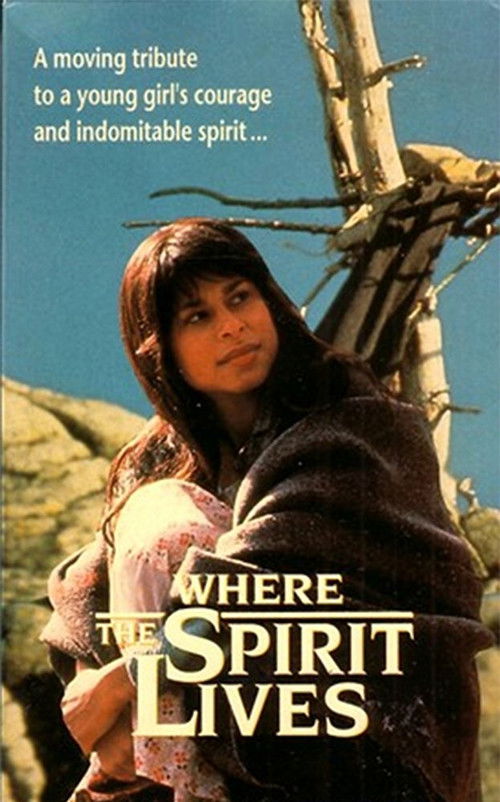
Where the Spirit Lives is a profound piece of post-colonial cinema that centers the Indigenous experience. By focusing on the forced assimilation of First Nations children, the film successfully shifts the perspective from the colonial institution to the ability to act of the subjects. The film's strength lies in its sophisticated deconstruction of power dynamics. It frames the preservation of culture not just as a theme, but as a heroic necessity against systemic oppression. However, the film lacks representation for LGBTQ+ identities and specific disability narratives, which limits its overall diversity score despite its powerful racial and cultural commentary.
Category Breakdown
The film does not include any LGBTQ+ characters or narratives. It focuses on preserving Indigenous lineage and resisting colonial erasure.
Ashtecome serves as a strong female lead who resists patriarchal boarding school structures. Her internal fortitude and ability to act drive the emotional core of the film.
The film excels by centering the First Nations experience. It critiques the systemic assault on Indigenous identity through forced assimilation and the imposition of Western ways.
The narrative offers a potent critique of Western institutionalism. It portrays the education system as a destructive force against Indigenous social fabrics and traditions.
The film does not feature any characters with narrative arcs defined by visible or invisible disabilities. It focuses on psychological trauma rather than specific disability representation.
Present on Screen
Limited or Absent
Official Synopsis
In 1937, a young First Nations girl named Ashtecome is kidnapped along with several other children from a village as part of a deliberate Canadian policy to force First Nations children to abandon their culture in order to be assimilated into white Canadian/British society. Taken to a boarding school where she's forced to adopt Western Euro-centric ways and learn English, often under brutal treatment, she has the support of one sympathetic white teacher.
2010
2017

2018
1977
2021
2017
2011
2010
No reviews yet. Be the first to share your thoughts on this movie!
Use the rating form above to leave a star rating and optional review.