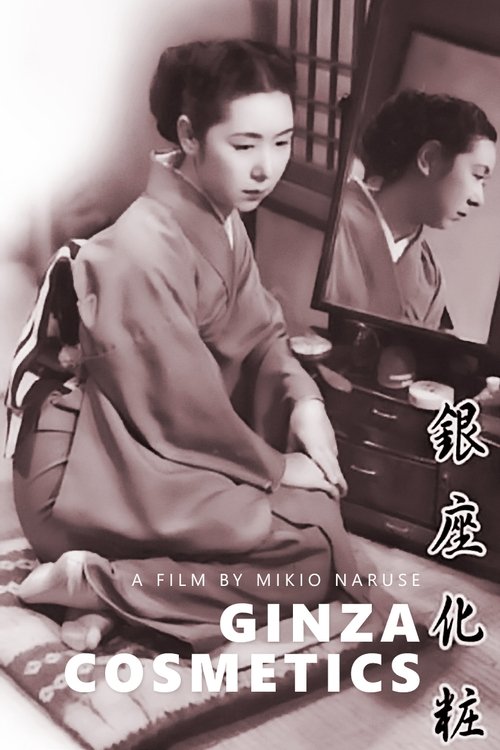
Ginza Cosmetics
1951
No user ratings available yet
Representation score: 5.2 out of 10
Representation Score
Good
1960
Director
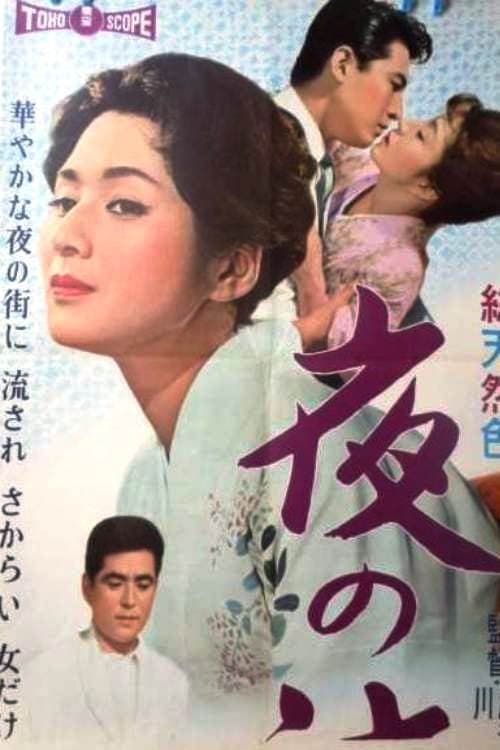
Mikio Naruse, Yūzō Kawashima
Runtime
111 minutes
Average Rating
No ratings yetNew Showbiz Analysis
The film provides a sophisticated look at domestic tension, particularly through its subversion of traditional family roles. By centering the narrative on a mother and daughter in romantic competition, it challenges the idealized sanctity of the maternal bond. While the film remains culturally homogeneous and follows traditional romantic structures, it avoids superficiality. The inclusion of a character shaped by the trauma of Siberian labor camps adds a layer of systemic critique and psychological depth. Ultimately, the work succeeds in providing nuanced character studies, even as it operates within the traditional social frameworks of its era.
Category Breakdown
The film does not include any LGBTQ+ characters or stories. The main conflict revolves around a romantic rivalry between a mother and daughter for a man, following traditional heterosexual norms.
The story centers on a female-led environment and a complex emotional conflict between two women. It challenges the nurturing mother stereotype by complicating the maternal bond with romantic competition.
As a 1960 Japanese production, the cast is culturally uniform. It focuses on Japanese identity without the diverse racial blending seen in modern global cinema.
The film examines the breakdown of social cohesion and subjective morality. It portrays the family unit as a site of dysfunction rather than a source of stability.
The chef's physical disability from frostbite is integrated into his psychological identity. He is portrayed with a significant role in driving the story rather than as a simple caricature.
Present on Screen
Limited or Absent
Official Synopsis
A woman and her daughter are in love with the same man, a chef at the restaurant that the mother manages. He is slightly crippled from frostbite in his years in Siberian labor camps and considers himself 'already dead'.
1951
1952
1954
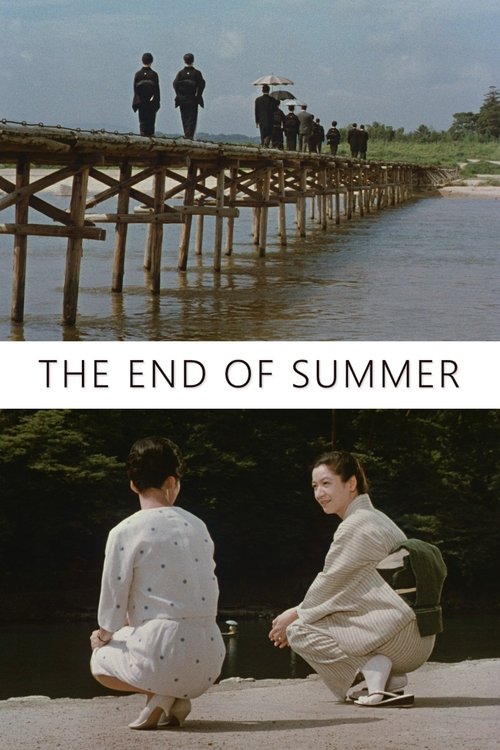
1961
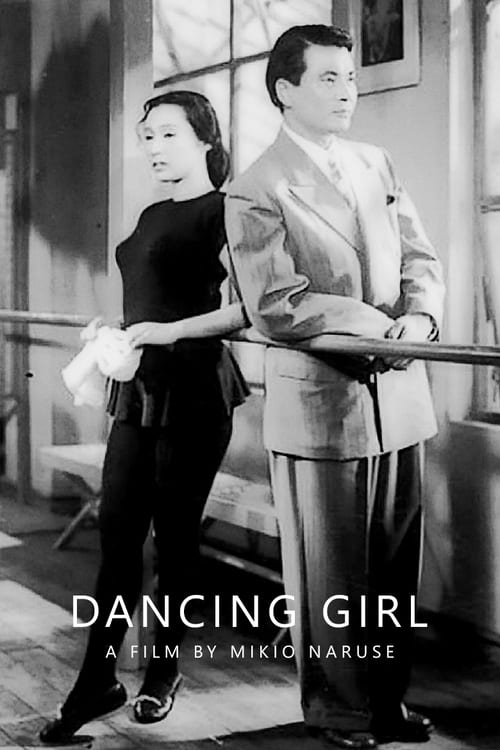
1951
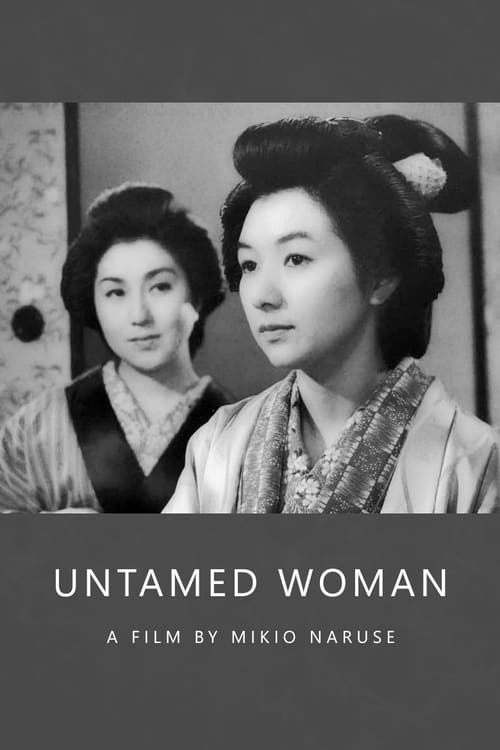
1957
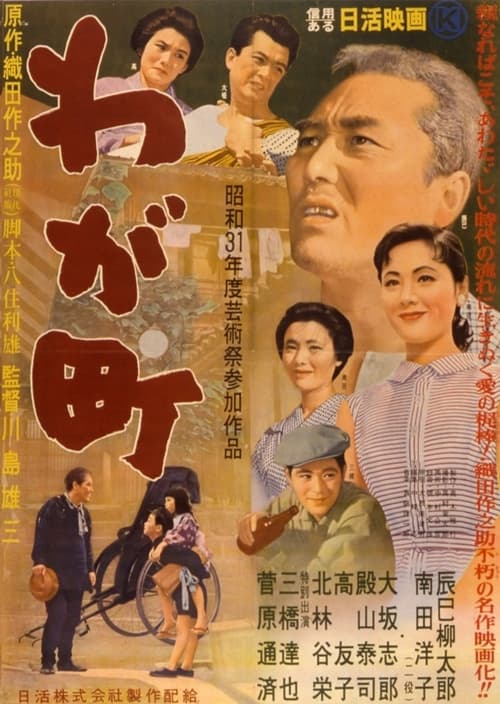
1956
1951
No reviews yet. Be the first to share your thoughts on this movie!
Use the rating form above to leave a star rating and optional review.