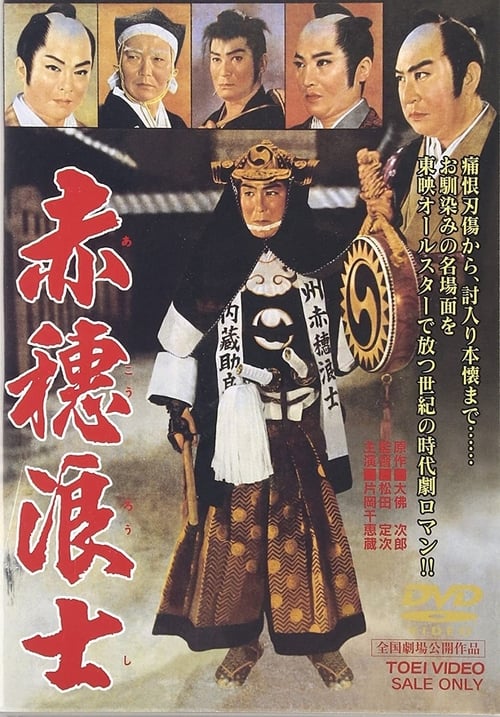
The Ako Retainers
1961
No user ratings available yet
Representation score: 1.5 out of 10
Representation Score
Minimal
1994
Director
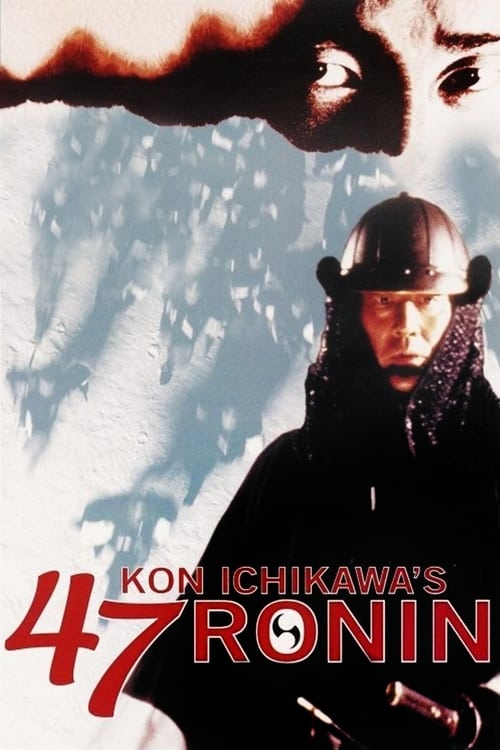
Kon Ichikawa
Runtime
129 minutes
Average Rating
No ratings yetNew Showbiz Analysis
Kon Ichikawa’s retelling of the Chūshingura legend serves as a formalist historical drama. It emphasizes the preservation of Edo-period social structures and the rigid ethical frameworks of the samurai class. The film highlights the tension between individual loyalty and Shogunate mandates. The narrative focuses on traditionalist duty rather than challenging systemic power. By presenting vigilantism as a fulfillment of moral duty, the film upholds the traditional class system and social orders.
Category Breakdown
The film does not include any queer narratives or characters with non-traditional gender identities. It maintains a strict focus on heterosexual relationships.
Men play the central roles in the plot, focusing on military and political matters. Women are confined to domestic duties and are defined by their relationships to men.
The cast is predominantly Japanese, reflecting the historical period of the Tokugawa shogunate. The film prioritizes historical accuracy over diverse casting.
The story centers around the preservation of Bushido and the feudal hierarchy. It explores the social obligations within a structured Shinto and Buddhist society.
There are no characters with visible or invisible disabilities, and disability is not used as a narrative device.
Present on Screen
Limited or Absent
Official Synopsis
Kon Ichikawa's retelling of the classic true story of Samurai honor. When a young clan lord is forced to commit seppuku (ritual suicide), his loyal followers (now Ronin, masterless Samurai) dedicate their lives to avenging his death.
1961

1964
1978

1972
1999

1980

1962
1967
No reviews yet. Be the first to share your thoughts on this movie!
Use the rating form above to leave a star rating and optional review.