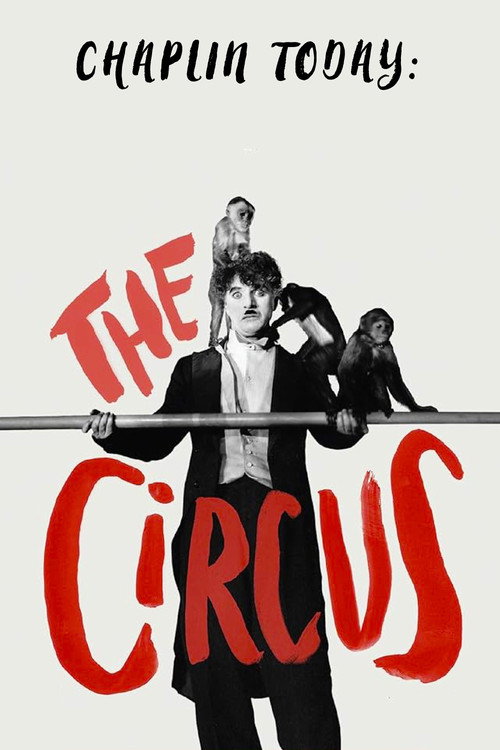
Chaplin Today: The Circus
2003
No user ratings available yet
Diversity score: 4.2 out of 10
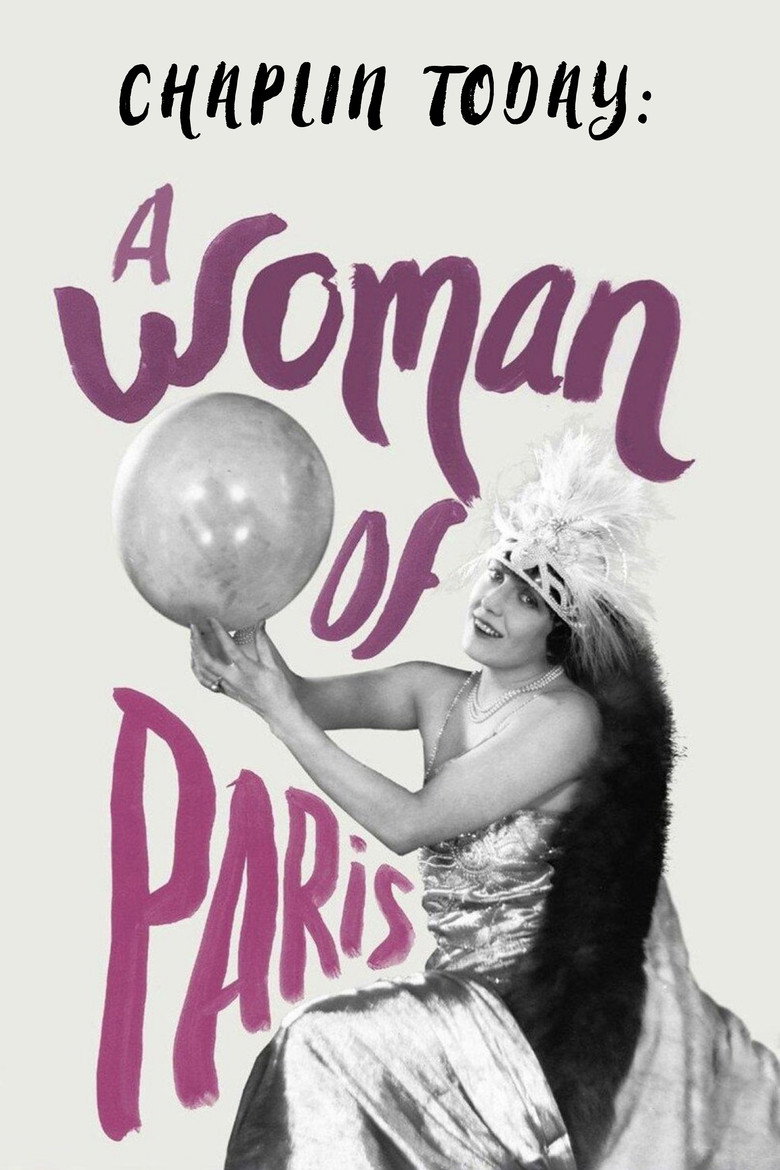
2003
Director
Mathias Ledoux
Runtime
26 minutes
Average Rating
No ratings yetSynopsis
"A Woman of Paris" (1923) was the first film Chaplin made for United Artists Film Corporation, which he founded with his friends Mary Pickford, Douglas Fairbanks and D. W. Griffith. Chaplin had long considered making a dramatic feature. For the first time, he decided to direct. Actress and filmmaker Liv Ullmann analyses the film. She talks about the acting, the originality of the characterizations, as well as the "feminine" viewpoint Chaplin adopted for the first time in his films.
Overall Score
Fair
Category Breakdown
LGBTQ+ Representation
The documentary focuses on Chaplin's cinematic transition and his adoption of a feminine viewpoint. There is no evidence of queer-coded narratives or LGBTQ+ character arcs within the film.
Gender Representation
By centering Liv Ullmann's analysis, the film disrupts the male-centric gaze of early silent cinema. It highlights Chaplin's shift toward nuanced, gendered emotional intelligence and female perspectives.
Racial & Ethnic Diversity
The study remains focused on a singular white auteur and Western cinematic history. There is no evidence of significant racial or ethnic diversity in the subject matter.
Religious & Cultural Diversity
The film explores subjective morality and complex characterization through Chaplin's shift to drama. However, it remains rooted in Western film institutions without critiquing broader religious or capitalist structures.
Disability Representation
The documentary contains no mention of characters or subjects with visible or invisible disabilities.
Strengths
Areas for Improvement
AI Analysis
This documentary functions as a scholarly retrospective, prioritizing intellectual depth over broad demographic variety. Its primary strength lies in its ability to reframe a legendary male auteur through a sophisticated, feminine lens provided by Liv Ullmann. While the film successfully challenges traditional gendered perspectives in film history, its scope is inherently narrow. The focus on a specific era of Western cinema and a singular white figure limits its intersectional reach. Ultimately, the work is a specialized study of cinematic evolution rather than a broad exploration of diverse identities.
2003

2012
2003
2015
1984

1993
2013
1995
1984
2000
2020
2013
No reviews yet. Be the first to share your thoughts on this movie!
Use the rating form above to leave a star rating and optional review.