The Gentleman Tramp
1976
No user ratings available yet
Representation score: 1.1 out of 10
Representation Score
Fair
2003
Director
Jerome de Missolz
Runtime
27 minutes
Average Rating
No ratings yetNew Showbiz Analysis
This documentary serves primarily as a tool for preserving history. It offers a scholarly look at Charles Chaplin's later career and his relationship with mid-20th-century cultural landscapes. While the film highlights a figure who challenged social norms and institutional authority, its narrative is limited by its biographical nature. The focus remains on a historically prominent artist rather than diverse storytelling. Ultimately, the work reflects traditional historical documentation, prioritizing the deconstruction of a specific cinematic legacy over active social disruption or diverse perspectives.
Category Breakdown
The documentary includes occasional references to the social constraints of the time but does not delve into non-straight identities or queer narratives.
The film focuses on a male protagonist, reinforcing traditional biographical structures. It may explore subversions of gender roles within Chaplin's comedy but remains centered on a male perspective.
The narrative adheres to a Western, Anglo-centric tradition and does not feature a diverse cast or narrative that challenges racial hierarchies.
The film examines Chaplin's position as an outsider in conflict with established institutions, offering a nuanced view of individual versus state authority.
Physical struggles are used as a comedic device rather than a portrayal of lived experience. There is no focused exploration of neurodivergence or physical disabilities.
Present on Screen
Limited or Absent
Official Synopsis
An examination of Charles Chaplin's final starring film.
1976
1935
2021
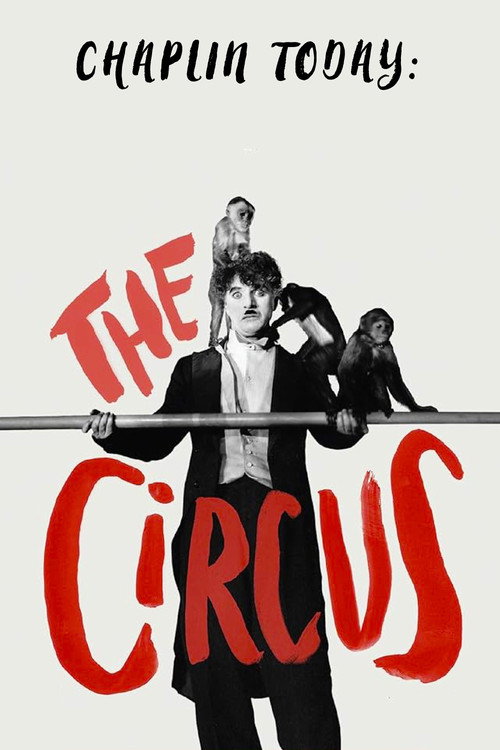
2003
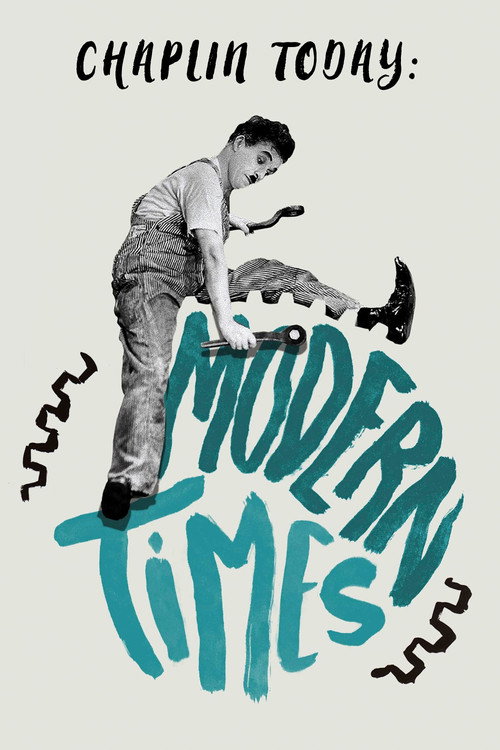
2003
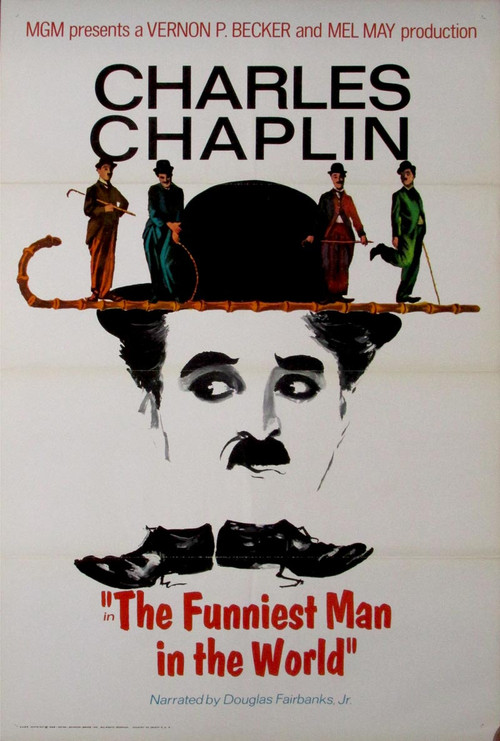
1967

2003
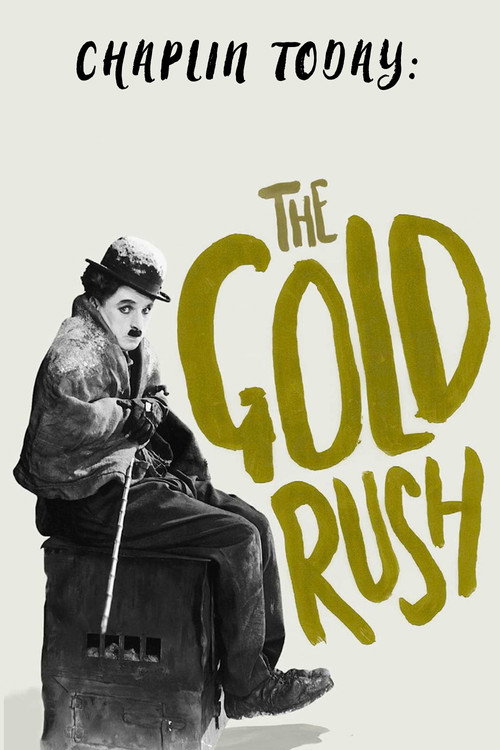
2003
No reviews yet. Be the first to share your thoughts on this movie!
Use the rating form above to leave a star rating and optional review.