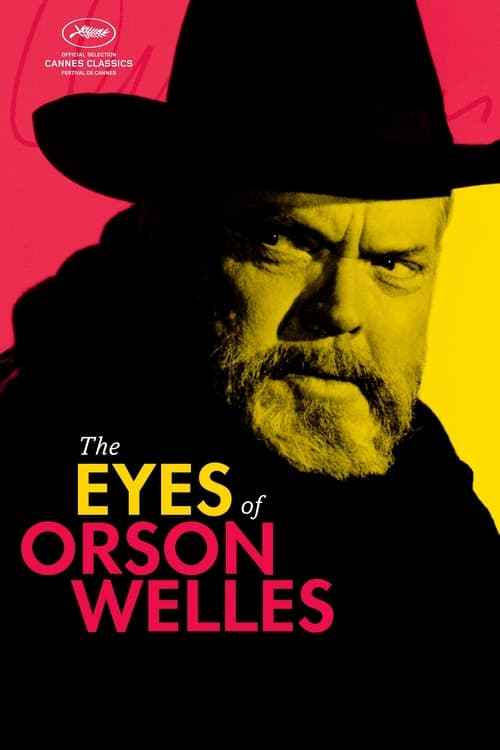
The Eyes of Orson Welles
2018
No user ratings available yet
Representation score: 4.3 out of 10
Representation Score
Fair
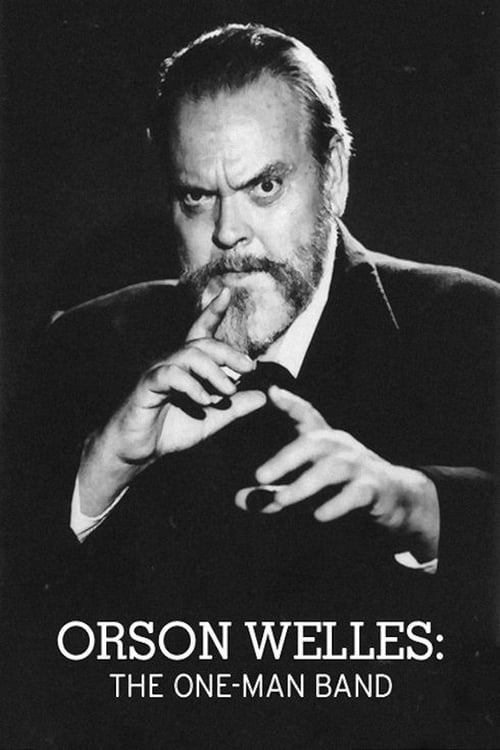
1995
Director
Vassili Silovic, Oja Kodar, Orson Welles
Runtime
88 minutes
Average Rating
No ratings yetNew Showbiz Analysis
The film primarily serves as a personal archive and a study of Orson Welles' later years. Its diversity is limited by its narrow focus on a singular Western icon, resulting in low scores for racial and ethnic representation. However, the documentary succeeds in challenging the 'great man' cliché. By using Oja Kodar's perspective as a collaborator and partner, the film provides a rare instance of women having control over the historical narrative. Ultimately, the work prioritizes preserving a complex legacy over broader social critique. It remains a deeply personal, Western-centric exploration of artistic fragmentation.
Category Breakdown
The film does not include explicit LGBTQ+ characters or narratives. It explores the relationship between Orson Welles and Oja Kodar but does not focus on non-straight or non-cisgender identities.
By focusing on Oja Kodar's viewpoint, the documentary grants women more control over the curation and interpretation of a major cinematic legacy. This breaks away from traditional biographical stories.
The film centers on a specific Western cinematic icon and does not feature a diverse cast or narrative that challenges Anglo-centric views.
The documentary deconstructs the polished Hollywood success story by focusing on unfinished works. It presents a subjective, possibly chaotic, portrayal of the creative life and struggles of artists.
There is no documented evidence of the portrayal of physical or neurodivergent disabilities in this archival documentary.
Present on Screen
Limited or Absent
Official Synopsis
Orson Welles' archives of unfinished/never released movies and the last years of his life from the perspective of Oja Kodar (life and artistic partner of Orson Welles in his last years).
2018
2008
1968
2018
1993

2015

2015
2018
No reviews yet. Be the first to share your thoughts on this movie!
Use the rating form above to leave a star rating and optional review.