
François Truffaut, une autobiographie
2004
No user ratings available yet
Representation score: 4.4 out of 10

Representation Score
Fair
1993
Director
Michel Pascal, Serge Toubiana
Runtime
88 minutes
Average Rating
No ratings yetNew Showbiz Analysis
This documentary stands out as a multi-vocal retrospective that challenges the singular image of a celebrated director. By featuring twenty-six different voices, it avoids a traditional, singular biography in favor of a fragmented, postmodern approach to truth. The film's primary strength lies in its subversion of gender hierarchies. By highlighting female perspectives and their influence, it challenges the 'great man' clichés common in film history. However, the film is limited by its historical and cultural context. It reflects a homogeneous European milieu, leading to a lack of racial and ethnic diversity. While it offers deep psychological insights, it remains a product of a specific, narrow social circle.
Category Breakdown
The film delves into complex personal relationships and non-traditional romantic dynamics. Though it doesn't make queer identity the main theme, it offers a detailed look at intimacy.
Women, including Truffaut's daughters, ex-wife, and lovers, play key roles in shaping his legacy. Their influence provides a crucial counterpoint to the male-dominated history of the French New Wave.
The documentary highlights a relatively uniform European social circle. The subjects come from the specific cultural and professional world of mid-20th-century French cinema.
The film breaks down the 'artist' stereotype through themes of mysticism and moral relativism. It questions traditional family structures by exploring Truffaut's search for father figures.
There is no evidence that disability or neurodivergence are central themes or featured through characters with ability to act in this documentary.
Present on Screen
Limited or Absent
Official Synopsis
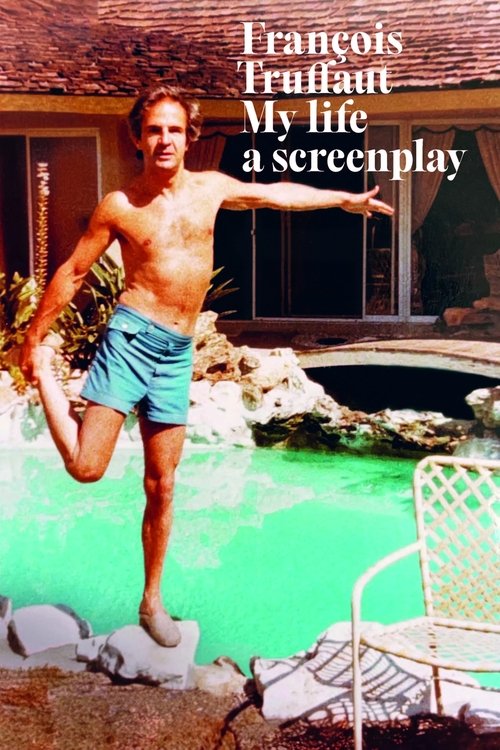
Twenty-six people - including two daughters, an ex-wife, his last lover, actors, fellow directors and writers, a neighbor, and boyhood friends - talk about François Truffaut. They discuss his attitudes toward wealth, his early writings about cinema, the undercurrent of violence in his films and his personality, the way he used and altered events in his life when making films, his search for a father (both artistic and biological), his relationship with his mother, the scenes in his films that cause a squirm of embarrassment, and his ultimate mysticism. Clips from a dozen of his films are included.
2004
2008
2024
2016
1990
1968
1999
2016
No reviews yet. Be the first to share your thoughts on this movie!
Use the rating form above to leave a star rating and optional review.