Marlene
1984
No user ratings available yet
Diversity score: 4.9 out of 10
2015
Not RatedDirector
Gillian Armstrong
Runtime
100 minutes
Average Rating
No ratings yetSynopsis
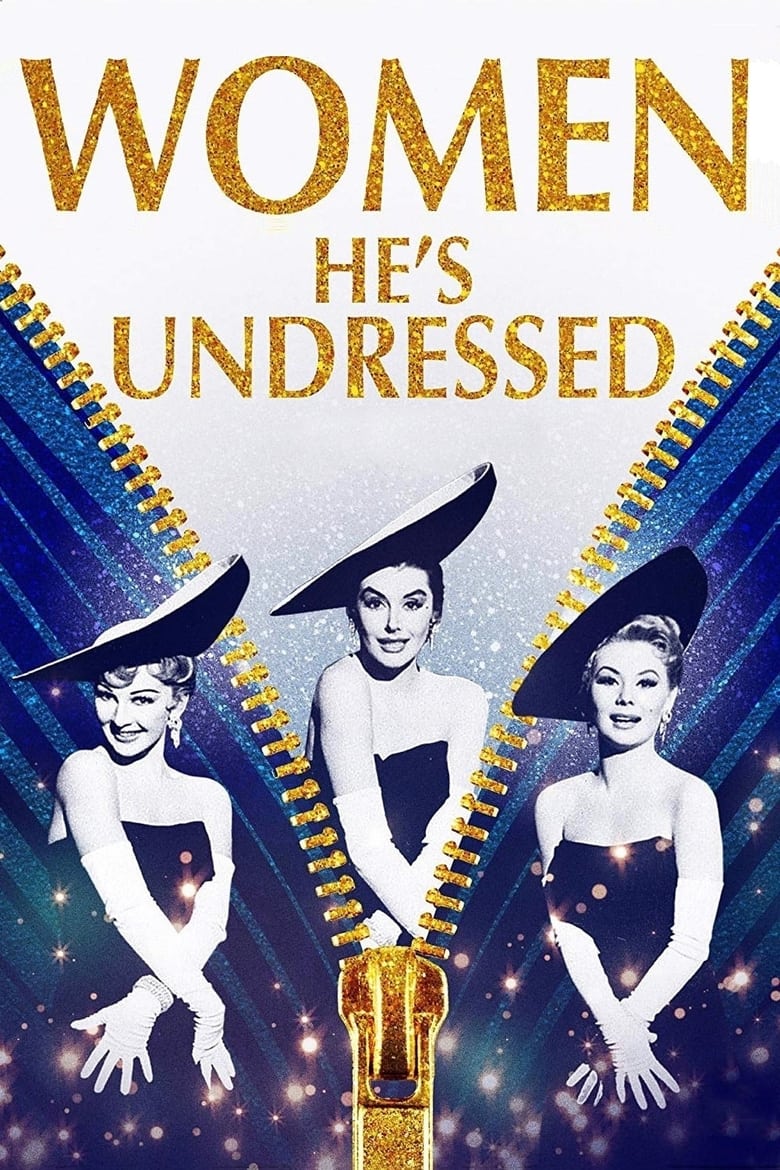
Hollywood stars, historical footage and stylized reenactments tell the story of costume designer Orry-Kelly, who ruled Tinseltown fashion for decades.
Overall Score
Fair
Category Breakdown
LGBTQ+ Representation
The film likely explores the complexities of navigating identity within mid-century Hollywood's restrictive social structures. It offers a nuanced look at non-normative identities through the lens of professional survival.
Gender Representation
The narrative disrupts traditional hierarchies by centering the creative agency of a designer. It critiques the construction of the female image, moving away from passive depictions of stardom toward an analysis of manufactured femininity.
Racial & Ethnic Diversity
The film is constrained by the systemic racial segregation of the Golden Age studio system. The focus on this specific era suggests a narrative centered on a period of limited racial integration.
Religious & Cultural Diversity
By looking behind the curtain of celebrity, the film deconstructs the Hollywood Dream. It uses reenactments to challenge the idea of a singular, monolithic Hollywood mythos through a subjective historical lens.
Disability Representation
There is no evidence regarding the portrayal of disability within the film's subject matter.
Strengths
Areas for Improvement
AI Analysis
Gillian Armstrong’s direction suggests a sophisticated examination of how identity and image are constructed within a systemic framework. The documentary succeeds by shifting the gaze from the celebrity subject to the technical architect of their glamour. However, the film is inherently limited by its historical setting. The focus on the Golden Age of Hollywood naturally restricts the scope of racial and ethnic diversity due to the era's systemic homogeneity. Ultimately, the work functions as a critique of gendered performance and industry labor, prioritizing a nuanced analysis of how femininity is manufactured and performed.
1984
2025

2013
1998

1994

2006
2016

1998

2015

2016

2018

2023
No reviews yet. Be the first to share your thoughts on this movie!
Use the rating form above to leave a star rating and optional review.