Tati Story
2002
No user ratings available yet
Diversity score: 3.6 out of 10
2013
Director
Richard Misek
Runtime
67 minutes
Average Rating
No ratings yetSynopsis
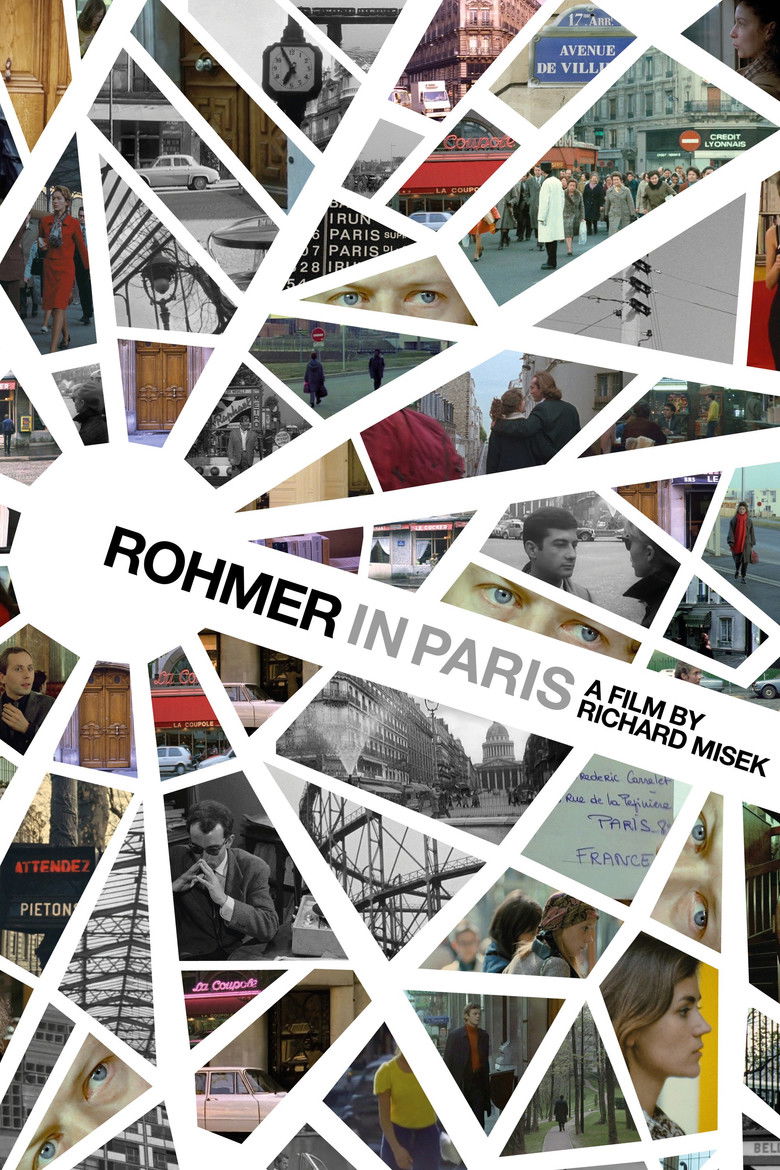
A film about Eric Rohmer, Paris, and the pleasures of cinephilia. Between the late 1950s and mid-2000s, legendary Nouvelle vague cinéaste Eric Rohmer made over twenty feature films, short films, and television documentaries on location in Paris. Rohmer in Paris explores his relationship with this most cinematic of cities. Combining elements of essay film, biographical documentary, speculative fiction, and mashup, Rohmer in Paris provides an unconventional tour of Rohmer's films, of modern Paris, and of how we engage with cinema.
Overall Score
Fair
Category Breakdown
LGBTQ+ Representation
The film examines Eric Rohmer’s work, which often explores complex human desires and unconventional romantic structures. However, the documentary acts as an analytical lens rather than a narrative vehicle for queer agency.
Gender Representation
The documentary engages with the Nouvelle Vague era and its portrayal of women. It focuses more on the pleasures of cinephilia and urban aesthetics than on subverting gender hierarchies.
Racial & Ethnic Diversity
The narrative is deeply rooted in the Eurocentric history of the French New Wave. It prioritizes Western cinematic history, lacking a significant emphasis on multi-ethnic or non-Anglo-Saxon perspectives.
Religious & Cultural Diversity
This film celebrates Western high culture and the intellectual traditions of European cinema. It prioritizes artistic merit and historical continuity over the deconstruction of traditional institutions.
Disability Representation
There is no evidence regarding the depiction of visible or invisible disabilities within the film.
Strengths
Areas for Improvement
AI Analysis
Rohmer in Paris serves as a specialized cultural retrospective focused on film theory and urban aesthetics. The documentary celebrates the legacy of Eric Rohmer and his relationship with the city of Paris through an essay-film format. Because the subject matter is centered on the mid-20th-century French New Wave, the representation remains traditionalist. The film prioritizes established Western cinematic canons rather than contemporary intersectional frameworks. The work functions as an archival and celebratory piece of cinema history. Its primary objective is the exploration of cinephilia and aesthetic technique rather than the active deconstruction of social identities.
2002
1998
2016

2010
2008
1998
1975
1984
2018
2012

2012
1958
No reviews yet. Be the first to share your thoughts on this movie!
Use the rating form above to leave a star rating and optional review.