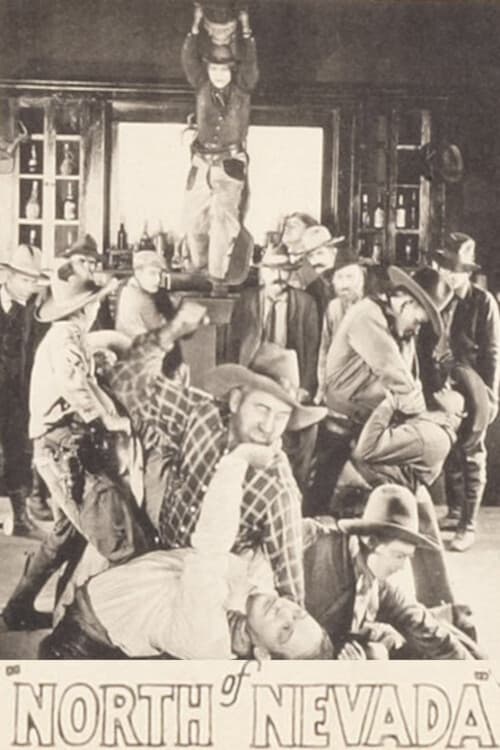
North of Nevada
1924
No user ratings available yet
Representation score: 1.4 out of 10
Representation Score
Minimal
1930
PassedDirector
Henry MacRae
Runtime
200 minutes
Average Rating
No ratings yetNew Showbiz Analysis
The film is a standard genre piece that reinforces the social hierarchies and colonial narratives of its era. It relies heavily on established Western clichés to drive a straightforward adventure. Representation is limited by the film's focus on frontier expansion and traditional morality. Indigenous populations serve as external threats rather than nuanced characters, and gender roles remain strictly conventional. Ultimately, the work lacks depth in reflecting multiple aspects of identity, prioritizing the preservation of settler-colonial values over diverse or complex characterizations.
Category Breakdown
The film follows a strictly heterosexual and cisgender structure. The plot centers on the romantic relationship between Jack Manning and Mary, with no queer subtext or non-cisgender identities present.
Gender roles adhere to 1930s conventions. While Mary acts as a messenger, the male characters drive the action and conflict, centering femininity within domestic and romantic spheres.
Native American tribes are used as antagonistic plot devices to create tension for the white protagonists. The narrative reflects era-specific clichés that frame indigenous groups as obstacles to expansion.
The story reinforces traditional pioneer values and the sanctity of the settler family. It promotes a singular moral framework centered on the righteousness of Western expansion.
There is no discernible evidence regarding the portrayal of physical or neurodivergent disabilities within the narrative.
Present on Screen
Limited or Absent
Official Synopsis
Jack Manning (Tim McCoy) arrives in a midwestern town from Gold Creek in Califonia. He brings a message from Goerge Woods (Francis Ford) to his brother Tom Woods (Francis Ford), in a dual role, and niece Mary (Allene Ray, informing them he has struck gold and asking them to join him in California via a wagon train. Jack and Mary fall in love to the great displeasure of Rance Carter (Wilbur McGaugh) who has a yen for Mary himself. Jack and Mary not only have to be wary of Carter's crooked ways and machinations, but also of Indian uprisings, caused by Carter.
1924
1960
1953
1930
1940
1940
1930
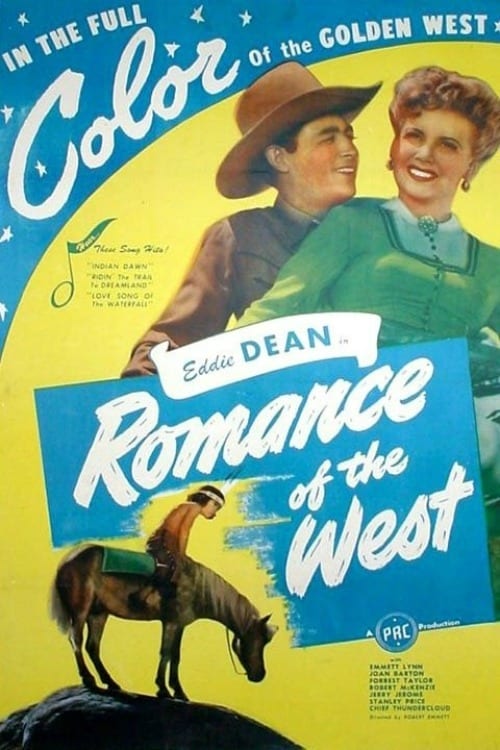
1946
No reviews yet. Be the first to share your thoughts on this movie!
Use the rating form above to leave a star rating and optional review.