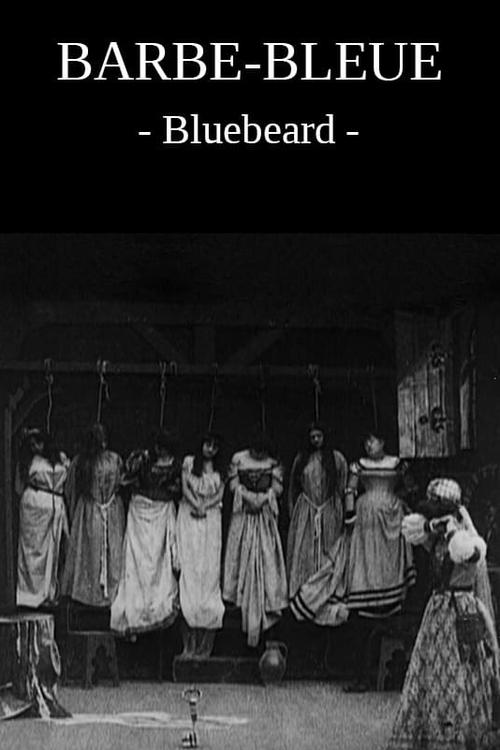
Bluebeard
1901
No user ratings available yet
Representation score: 0.3 out of 10
Representation Score
Minimal
1898
Director
Louis Lumière
Runtime
1 minutes
Average Rating
No ratings yetNew Showbiz Analysis
Louis Lumière’s adaptation of the Georges Hatot folktale serves as a historical document of early cinema rather than a modern progressive film. The film adheres to the theatrical and folkloric traditions of 1898, prioritizing established narrative arcs over social exploration. The work upholds the conventional hierarchies of its era. It lacks the complexity needed to challenge social norms, instead maintaining the status quo of late 19th-century European storytelling. Ultimately, the film is a product of its time, focusing on traditional morality and Eurocentric social structures rather than identity-based representation.
Category Breakdown
The film does not depict any characters with non-traditional gender identities or sexual orientations. It follows traditional folkloric stories centered on heterosexual relationships.
The story focuses on a power dynamic where a male character dominates a female protagonist. It reinforces traditional gender roles and restricts women's independence.
The production reflects the predominantly white society of late 19th-century France. It does not include diverse ethnic backgrounds or perspectives.
The film operates within a traditional Western framework emphasizing classical morality. It does not challenge Western cultural institutions or traditional family structures.
There are no characters with disabilities shown taking active roles in the story. Disability is not represented in the main narrative.
Present on Screen
Limited or Absent
Official Synopsis
Film adaptation of the famous French folktale by Georges Hatot.
1901
2011
1898
1921
1907
1923
1911
1925
No reviews yet. Be the first to share your thoughts on this movie!
Use the rating form above to leave a star rating and optional review.