
The Triumph of the Rat
1926
No user ratings available yet
Representation score: 0.6 out of 10
Representation Score
Good
1955
Director
Christian-Jaque
Runtime
120 minutes
Average Rating
No ratings yetNew Showbiz Analysis
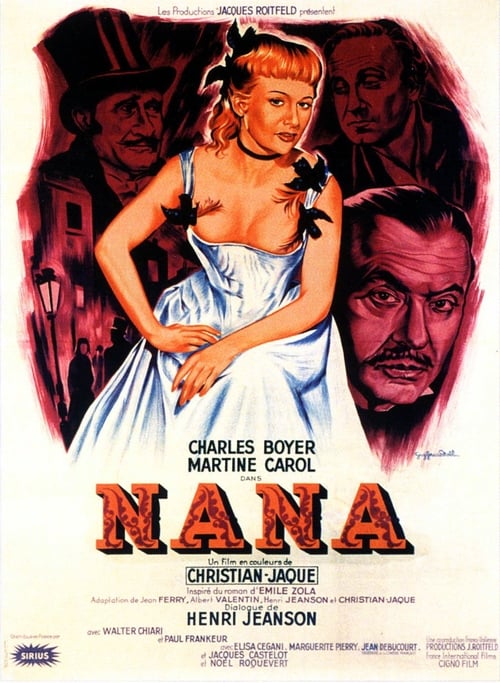
Nana is a naturalist period drama that serves as a critical examination of systemic decay. Although it lacks modern diversity in terms of race and LGBTQ+ representation, it excels in its subversion of class and gender hierarchies. The film stands out in its portrayal of women's ability to drive the story. Nana is not a passive character but a disruptive force that dismantles the perceived stability of the French aristocracy. However, the production remains a product of its time, maintaining a homogeneous cast and focusing on traditional social conflicts rather than broader identity-based representation.
Category Breakdown
The film does not include any explicit LGBTQ+ characters or non-straight relationships. The story focuses solely on heterosexual dynamics and the intense nature of romantic obsession.
Nana challenges traditional gender roles by playing a significant role in driving the story. She uses her social influence to disrupt the patriarchal order, making powerful men like Count Muffat seem ineffective and ruined.
The cast is predominantly made up of similar types of people, reflecting the Eurocentric social hierarchy of Second Empire France. There is no indication of intentional racial diversity or varied casting.
The film provides a nuanced look at Western institutions and societal structures. It highlights the decadence of the aristocracy and portrays the pursuit of status as a destructive force.
The film does not significantly address visible or invisible disabilities. Characters' struggles are mainly influenced by socioeconomic status, psychological obsession, and class conflict.
Present on Screen
Limited or Absent
Official Synopsis
In Paris during the Second Empire, Count Muffat, despite his prejudices against loose women, falls madly in love with Nana, a young kept woman and star of the Théâtre des Variétés. This all-consuming passion will lead nowhere and, like Nana's other lovers, will lead him to ruin and crime... An adaptation of Émile Zola's novel Nana.
1926
1938
1956
1936
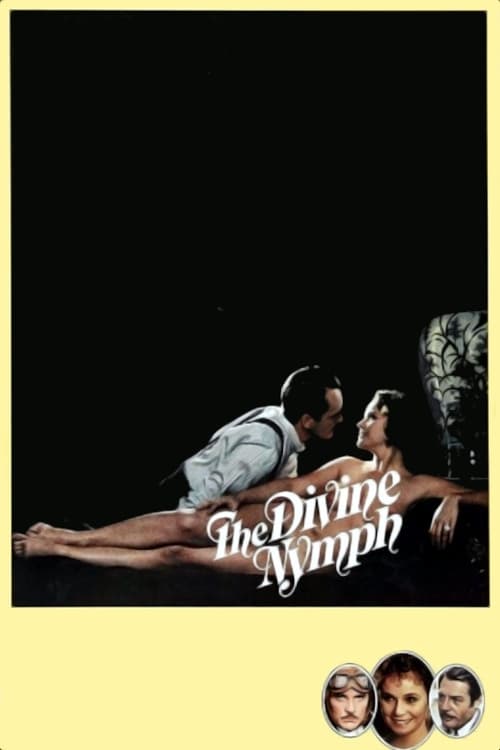
1975
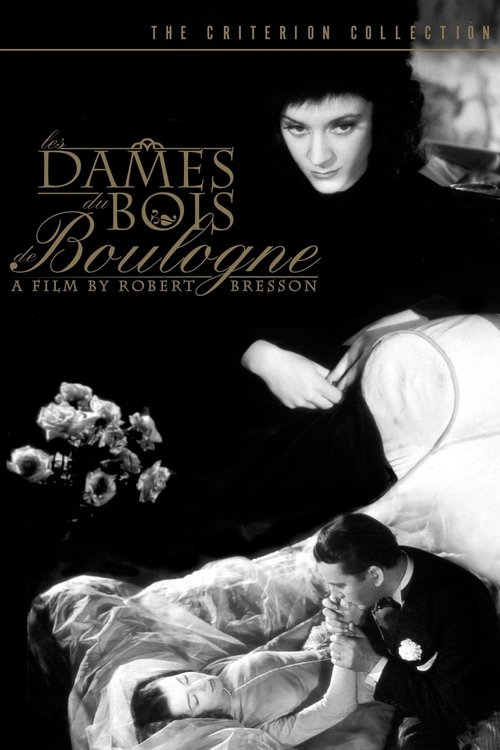
1945
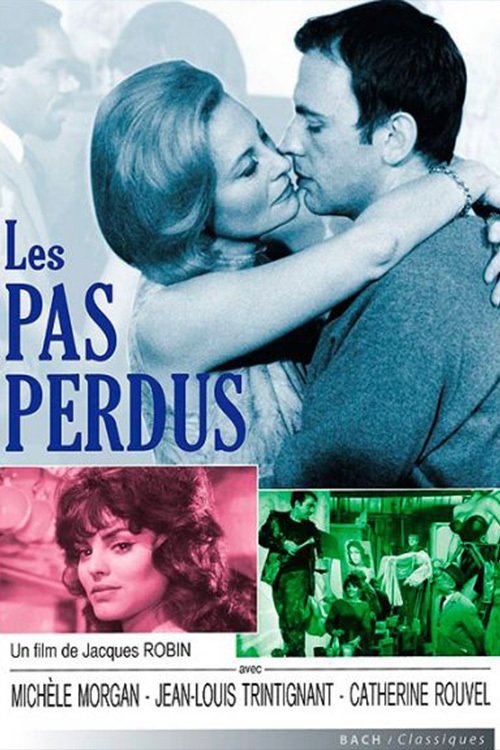
1964
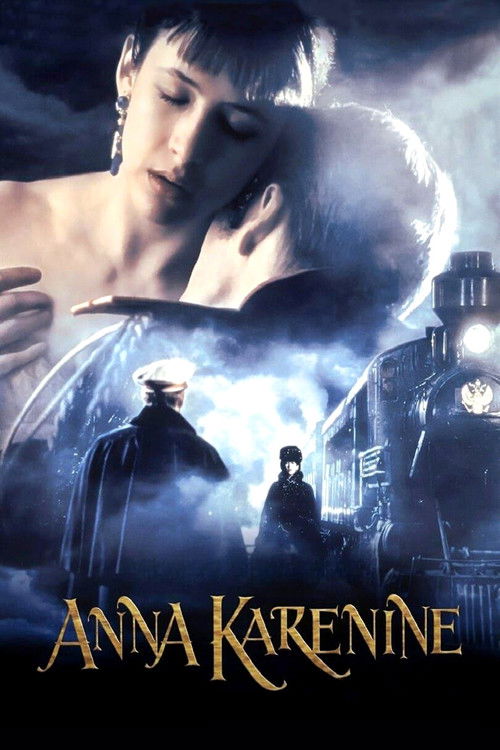
1997
No reviews yet. Be the first to share your thoughts on this movie!
Use the rating form above to leave a star rating and optional review.