
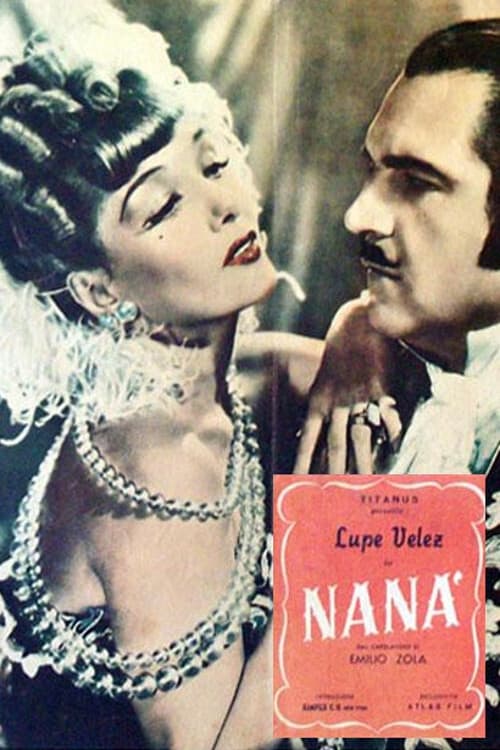
Naná
1985
No user ratings available yet
Representation score: 5.9 out of 10
Representation Score
Fair
1944
Director
Celestino Gorostiza
Runtime
87 minutes
Average Rating
No ratings yetNew Showbiz Analysis
Naná examines the breakdown of social order and the disruption of class hierarchies. It challenges traditional gender roles by featuring a female protagonist who holds significant social influence to reveal the fragility of male power. However, the film is limited by its historical setting. It adheres closely to traditional gender roles and lacks representation of LGBTQ+ identities or racial diversity. Ultimately, the film's strength lies in its cultural critique of societal structures rather than its broad representation of diverse identities.
Category Breakdown
The film focuses on heterosexual relationships and commercial sex work. It explores unconventional sexuality but doesn't include explicit queer identities or diverse gender expressions.
Naná is portrayed as a powerful disruptor who challenges male-dominated systems. She is not presented as submissive but rather as a strong force for change.
The film reflects the uniform social structures of 19th-century France. There is no indication of racial diversity or the breaking of traditional casting norms.
The story criticizes established institutions and the moral superiority of the upper classes. It uses the protagonist to challenge the perceived righteousness of the bourgeoisie.
There is no focus on physical or neurological differences in the narrative or historical context.
Present on Screen
Limited or Absent
Official Synopsis
Based in the Émile Zola novel of the same name, which details the life of Nana, a French prostitute of the 19th century.
1985

1956
1955
2011
1949
1928

1970
1980
No reviews yet. Be the first to share your thoughts on this movie!
Use the rating form above to leave a star rating and optional review.