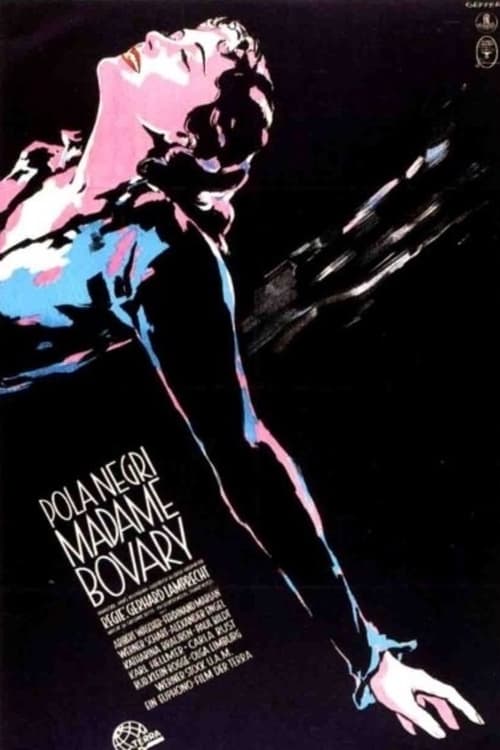
Madame Bovary
1937
No user ratings available yet
Representation score: 2.6 out of 10
Representation Score
Limited
1932
NRDirector
Albert Ray
Runtime
75 minutes
Average Rating
No ratings yetNew Showbiz Analysis
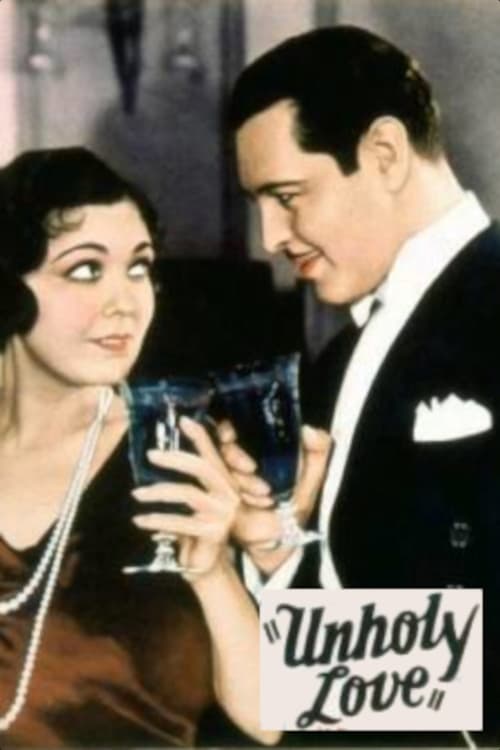
Unholy Love adapts Madame Bovary, moving Flaubert's themes of domestic dissatisfaction to 1930s New York. While it critiques bourgeois provincialism, the film adheres to the era's conventional cinematic standards and social hierarchies. The narrative focuses on traditional romantic disillusionment and character archetypes. It does not challenge the status quo or represent diverse demographics, sticking to the standard studio-era dramatic structures of 1932. Overall, the film serves as a period-specific exploration of individual desire versus societal expectations, aligned with the demographic and moral norms of the early pre-Code era.
Category Breakdown
The film does not depict any non-straight relationships or same-sex intimacy. It reinforces traditional courtship structures typical of the 1930s era.
As an adaptation of Madame Bovary, the film centers on a woman navigating restrictive social roles. It explores domestic entrapment but does not disrupt traditional gender hierarchies.
Set in 1930s Rye, New York, the cast reflects the homogeneous demographics of the time. There are no significant roles for non-white characters.
The story addresses themes of subjective morality and criticizes provincial social structures. However, it operates within the conventional moral frameworks of the early 20th century.
There is no evidence of characters with physical or neurodivergent disabilities in the film.
Present on Screen
Limited or Absent
Official Synopsis
An adaptation of Madame Bovary transported to Rye, New York in the 1930's. All characters have been renamed.
1937

1930
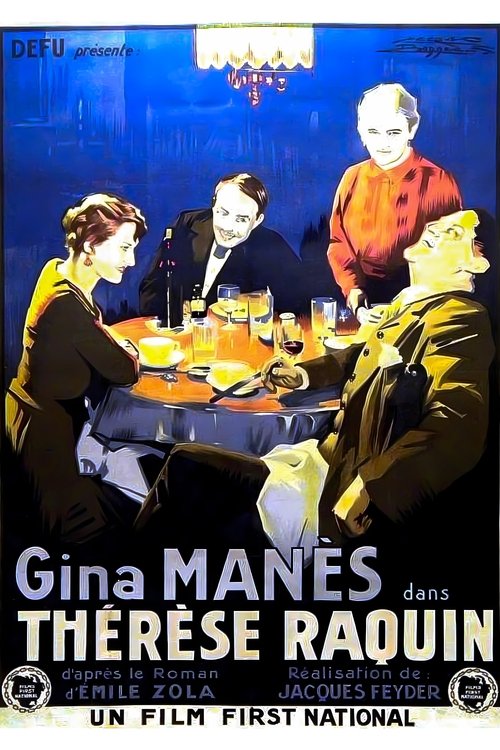
1928
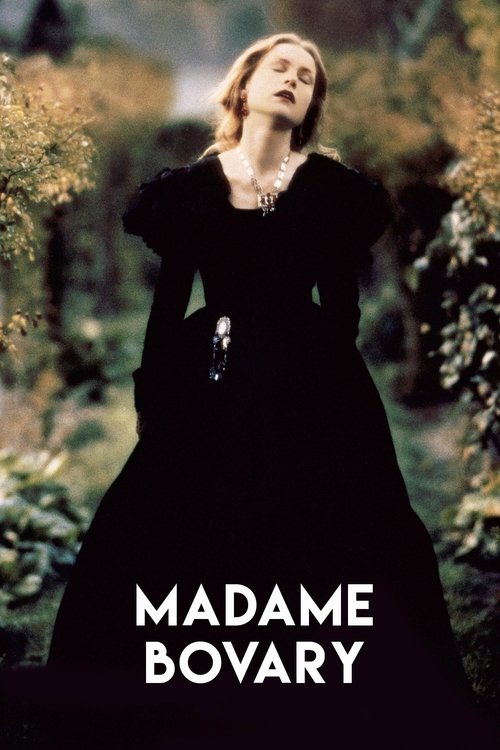
1991
1934
1935
1959
1932
No reviews yet. Be the first to share your thoughts on this movie!
Use the rating form above to leave a star rating and optional review.