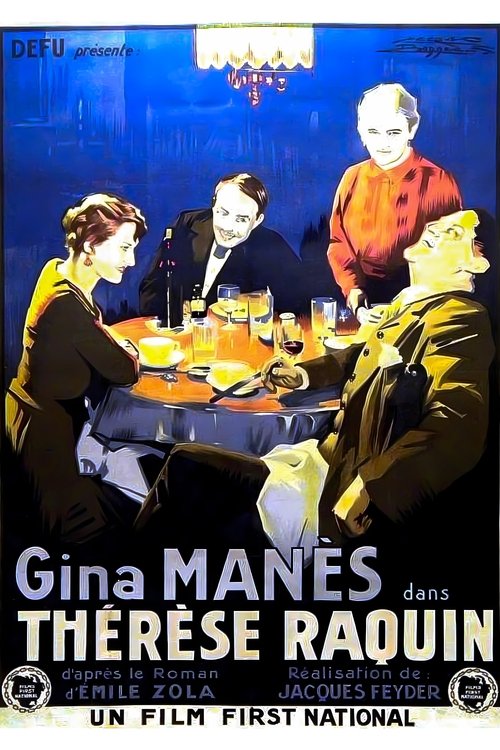
Thérèse Raquin
1928
No user ratings available yet
Representation score: 2.8 out of 10
Representation Score
Limited
1928
Director
Marcel L'Herbier
Runtime
165 minutes
Average Rating
No ratings yetNew Showbiz Analysis
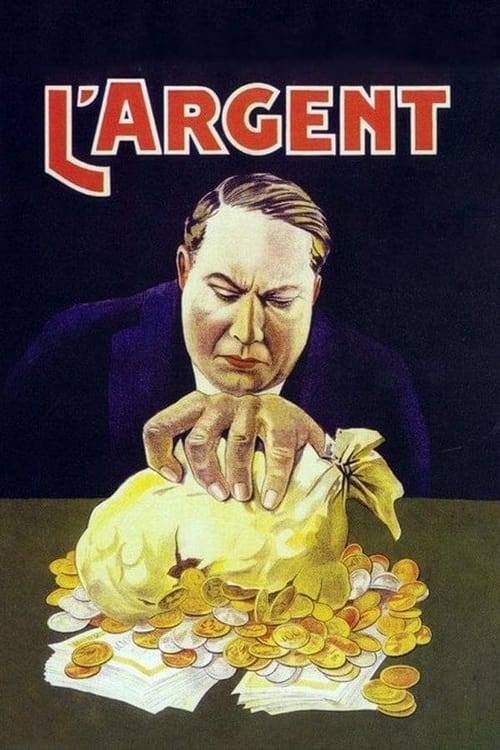
L'Argent is a sophisticated critique of early 20th-century financial systems. Using French Impressionism, it deconstructs the dehumanizing mechanics of capital and the volatility of socioeconomic hierarchies. While the film lacks demographic diversity in terms of race, gender, and orientation, it offers a profound cultural critique. It challenges the perceived morality of the Western economic engine by framing institutions as sources of chaos. Ultimately, the work prioritizes a critique of systemic power dynamics over individual identity representation, making it a significant piece of social commentary on the erosion of morality within capitalism.
Category Breakdown
The film centers its storyline on the mechanics of finance and class struggle. There is no depiction of non-straight identities or same-sex relationships within the plot.
The narrative is driven by the male-dominated financial sector. While women appear within Parisian social circles, their roles are largely shaped by socioeconomic desperation rather than gender-based empowerment.
Set in a historically homogeneous Parisian environment, the film lacks the inclusion of non-European identities that would disrupt the contemporary social landscape.
The film excels in its critical portrayal of Western institutional structures. It depicts the banking system as a predatory force, highlighting how unchecked greed destabilizes social order.
There is no evidence of characters with visible or invisible disabilities being integrated into the narrative arc or used as plot devices.
Present on Screen
Limited or Absent
Official Synopsis
Adapted from the novel L'Argent by Émile Zola, the film portrays the world of banking and the stock market in Paris in the 1920s.
1928
1931

1909

1924
1923
1974

2018
1928
No reviews yet. Be the first to share your thoughts on this movie!
Use the rating form above to leave a star rating and optional review.