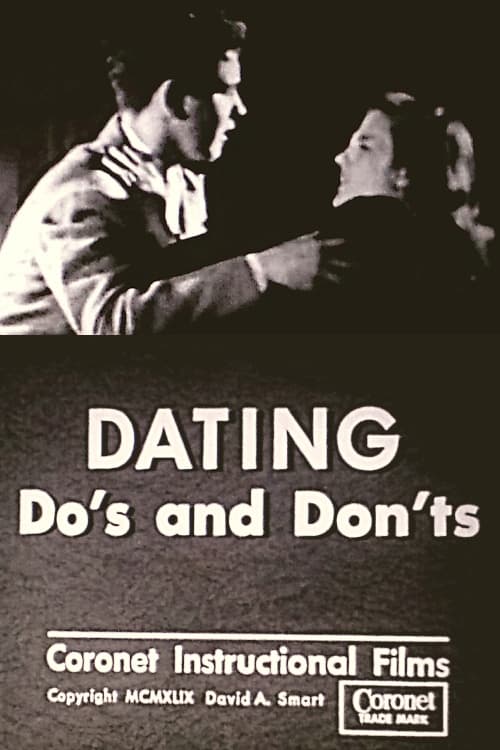
Dating: Do's and Don'ts
1949
No user ratings available yet
Diversity score: 1.1 out of 10
No Poster Available
1950
Director
Edward G. Simmel
Runtime
10 minutes
Average Rating
No ratings yetSynopsis
Educational short showing how you should never show any emotions at the dinner table.
Overall Score
Minimal
Category Breakdown
LGBTQ+ Representation
The film focuses on rigid etiquette within a domestic setting. It reinforces heteronormative structures without any evidence of non-cisnormative identities.
Gender Representation
The instructional content promotes traditional gendered roles. It emphasizes a version of domestic stability that aligns with mid-century patriarchal expectations of composure.
Racial & Ethnic Diversity
The work reflects the homogeneous casting standards of 1950. It prioritizes an Anglo-centric depiction of the ideal family unit.
Religious & Cultural Diversity
This short functions as a tool for social conformity. It promotes a singular, prescriptive morality regarding Western family institutions and decorum.
Disability Representation
There is no engagement with neurodivergence or physical disability. The focus on emotional regulation may dismiss diverse sensory or emotional experiences.
Strengths
Areas for Improvement
AI Analysis
A Date with Your Family serves as a historical artifact of mid-century social conditioning. It prioritizes the maintenance of traditional hierarchies and the enforcement of conventional behavioral norms over intersectional representation. The film's primary objective is to instruct viewers on emotional regulation and domestic decorum. This focus inherently favors a singular, prescriptive model of social conduct that leaves little room for individual agency or diverse identities. Ultimately, the work functions to reinforce the status quo of the 1950s. It presents a narrow view of the family unit that lacks any meaningful engagement with marginalized groups.
1949
1950
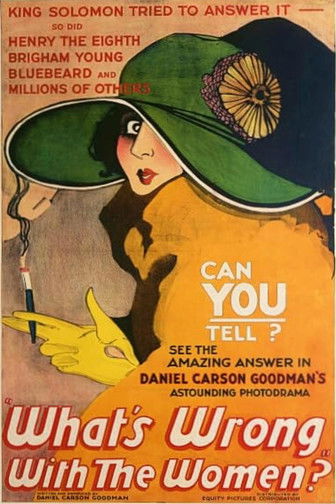
1922
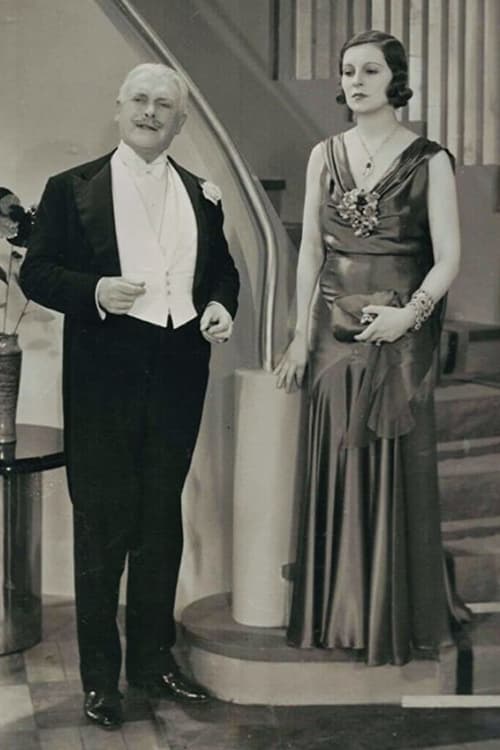
1931
1933
1934
1950
1952
1949
1960
1975
1917
No reviews yet. Be the first to share your thoughts on this movie!
Use the rating form above to leave a star rating and optional review.