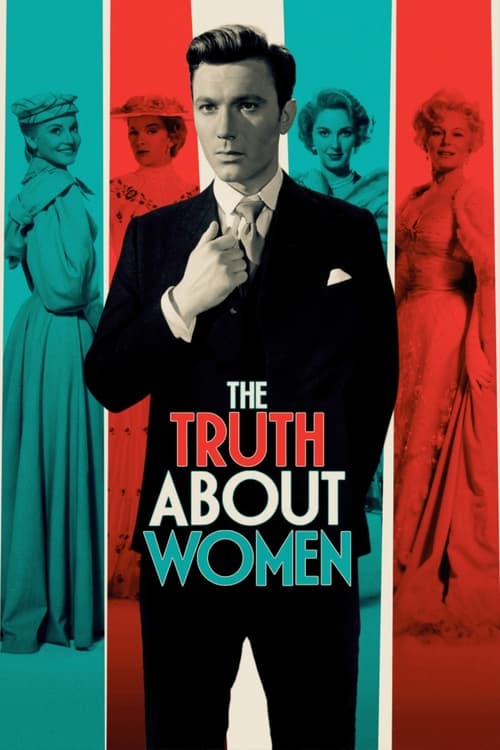
The Truth About Women
1957
No user ratings available yet
Representation score: 3.7 out of 10
Representation Score
Minimal
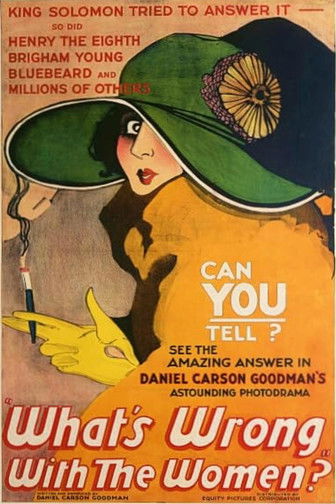
1922
PassedDirector
Roy William Neill
Runtime
70 minutes
Average Rating
No ratings yetNew Showbiz Analysis
This 1922 drama explores interpersonal gender dynamics from a male perspective. The narrative premise, where men seek to understand women, suggests a traditional structure that may reinforce early 20th-century social hierarchies. Since the film lacks specific character arcs or casting details, it is hard to confirm any intentional multi-layered representation. The production appears to adhere to the standard, homogeneous conventions of the silent era, emphasizing conventional social values. Overall, the film lacks clear evidence of progressive narrative disruption. It functions as a typical drama of its time, likely viewing gender through a traditional, male-dominated lens.
Category Breakdown
The film does not include any representation of LGBTQ+ identities or same-sex relationships. These themes were rarely addressed explicitly in 1922 cinema.
The story revolves around men trying to understand women, suggesting a male-focused perspective. This setup often emphasizes male observation over female empowerment.
There is no information about the racial makeup of the cast. Given the time period, the production probably adhered to the homogeneous casting practices of early Hollywood.
The storyline seems to follow the conventional social norms of the early 20th century. It likely aligns with the prevailing values of that era.
No information is available about characters with disabilities. There is no indication of disability representation in the film.
Present on Screen
Limited or Absent
Official Synopsis
Men try to understand the women in their lives.
1957
1930
1921

1930

1918
1939

1931
1928
No reviews yet. Be the first to share your thoughts on this movie!
Use the rating form above to leave a star rating and optional review.