A Date with Your Family
1950
No user ratings available yet
Diversity score: 1.2 out of 10
1949
Director
Gilbert Altschul
Runtime
13 minutes
Average Rating
No ratings yetSynopsis
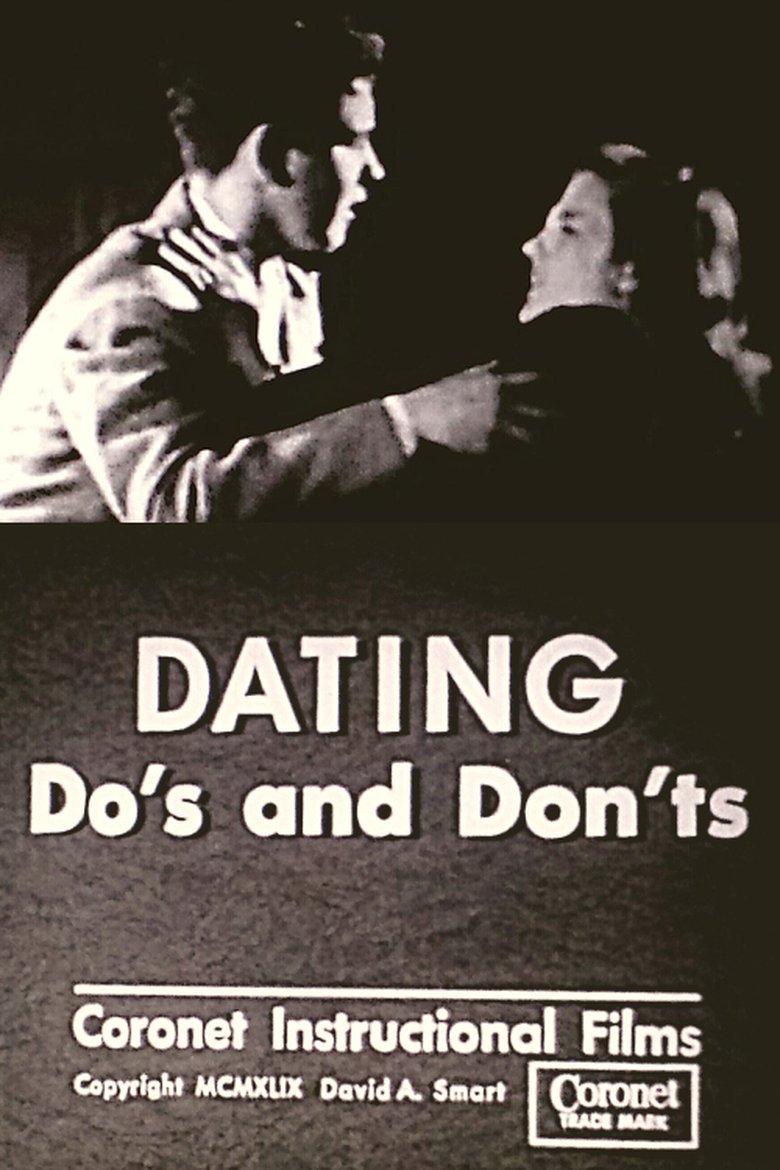
Dating Do's and Don'ts is a 1949 instructional film designed for American high schools, to teach teens basic dating skills.
Overall Score
Minimal
Category Breakdown
LGBTQ+ Representation
The film operates strictly within a heteronormative framework. It offers no representation of non-cisnormative identities or narratives that challenge traditional courtship.
Gender Representation
Content reinforces rigid gender hierarchies and traditional roles. It promotes submissive femininity and masculine leadership as the standard for mid-century dating rituals.
Racial & Ethnic Diversity
The production reflects the systemic homogeneity of 1949. It depicts white, Anglo-Saxon demographics as the normative baseline for social behavior.
Religious & Cultural Diversity
The film prioritizes Western social cohesion and the nuclear family unit. It functions as an instrument of social stability rather than cultural critique.
Disability Representation
There is no indication that the film addresses physical disabilities or neurodivergence. Characters with disabilities are entirely absent from the instructional narrative.
Strengths
Areas for Improvement
AI Analysis
Dating: Do's and Don'ts is a pedagogical tool designed to reinforce the social hierarchies of the post-war United States. Rather than exploring diverse human experiences, it codifies mid-century etiquette and conventional interpersonal conduct for high school students. The film serves as an instrument of social assimilation. It promotes a narrow, homogeneous vision of American life that prioritizes conformity to established gendered and racial norms. Ultimately, the work lacks any intentionality to disrupt or critique systemic power, functioning instead to uphold the status quo of the late 1940s.
1950
1961
1954
1950
1941
1934
1934
1960
1959
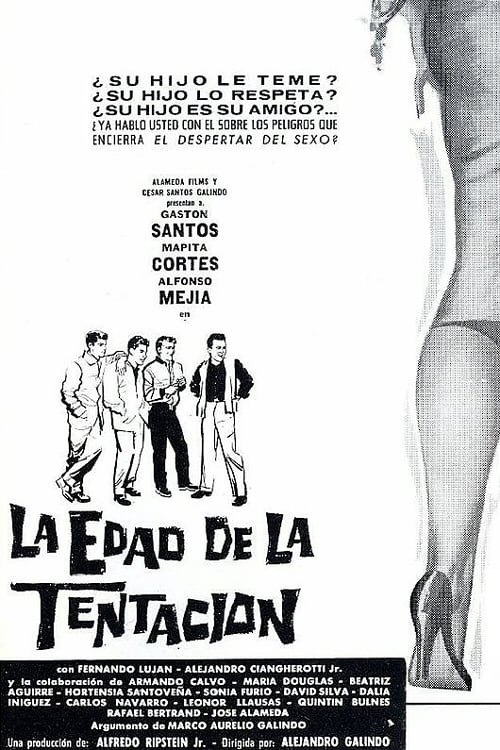
1959
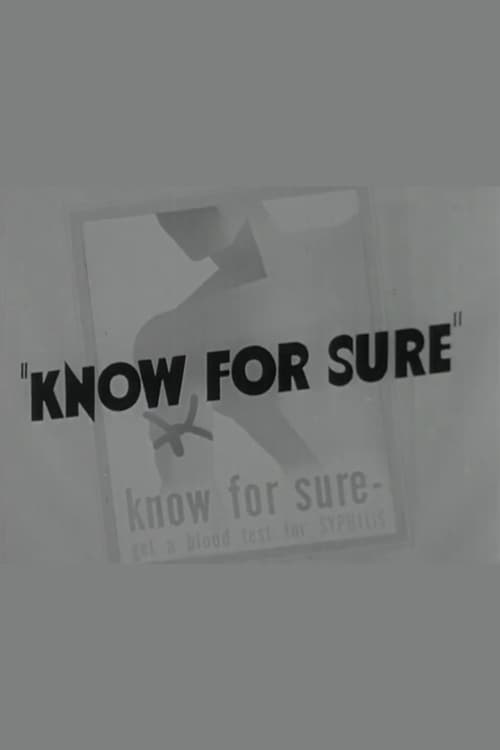
1941

2011
No reviews yet. Be the first to share your thoughts on this movie!
Use the rating form above to leave a star rating and optional review.