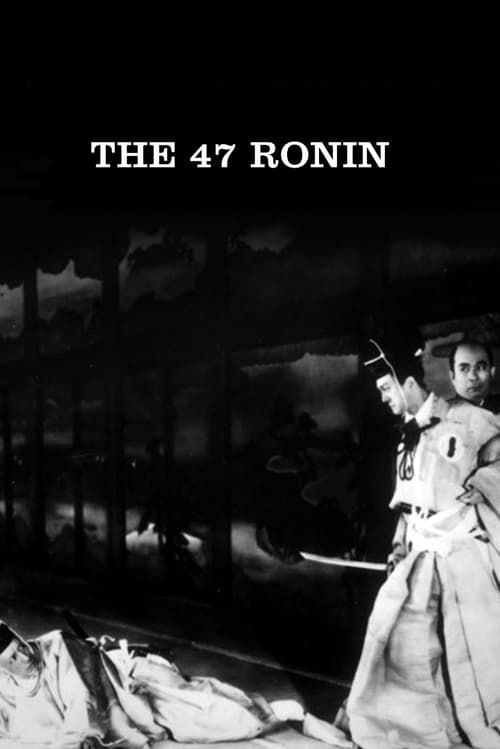
The 47 Ronin
1941
No user ratings available yet
Representation score: 1.0 out of 10
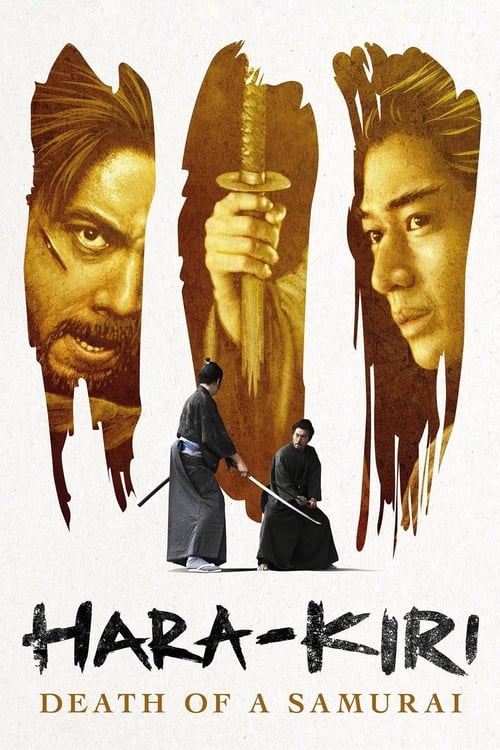
Representation Score
Limited
2011
NRDirector
Takashi Miike
Runtime
128 minutes
Average Rating
No ratings yetNew Showbiz Analysis
Takashi Miike uses this period piece to deconstruct the mythos of the samurai. While the film lacks modern identity-based diversity, it excels at critiquing systemic oppression and institutional corruption. The narrative replaces the romanticized ideal of honor with a grim look at how rigid hierarchies sideline the impoverished. It is a study of power rather than a study of diverse identities. Ultimately, the film's strength lies in its challenge of cultural norms, even as it remains limited by its traditional gender roles and homogeneous cast.
Category Breakdown
The film focuses on traditional masculine figures from the Edo period. There are no representations of non-straight or non-cisgender identities or perspectives.
Women are mostly confined to domestic or victimized roles, serving as catalysts for male conflicts. The narrative upholds a patriarchal structure within the samurai caste.
The cast is ethnically uniform due to the feudal Japanese setting. However, class differences serve as a proxy for exploring systemic inequality and exclusion.
The film offers a nuanced critique of the Bushido code and social structures. It portrays the ruling class as corrupt and hypocritical rather than honorable.
There is no meaningful depiction of physical, neurodivergent, or mental health disabilities that give real power to the characters.
Present on Screen
Limited or Absent
Official Synopsis
A tale of revenge, honor and disgrace, centering on a poverty-stricken samurai who discovers the fate of his ronin son-in-law, setting in motion a tense showdown of vengeance against the house of a feudal lord.
1941

1962
1958
1957
2010
1980
2024
1978
No reviews yet. Be the first to share your thoughts on this movie!
Use the rating form above to leave a star rating and optional review.