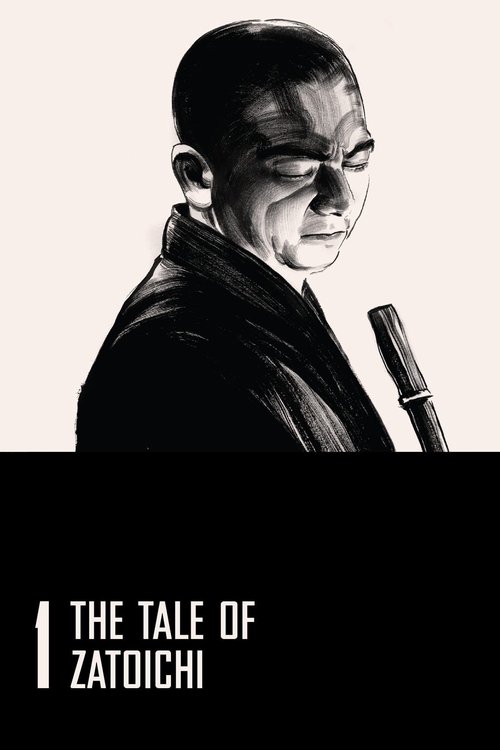
The Tale of Zatoichi
1962
No user ratings available yet
Representation score: 4.6 out of 10
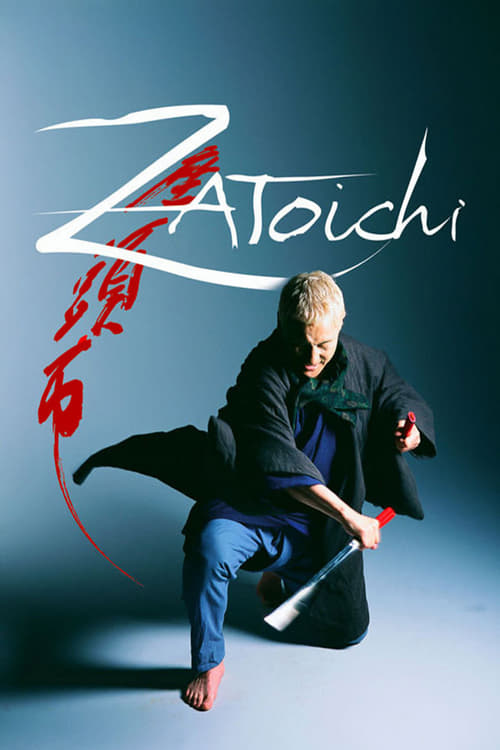
Representation Score
Fair
2003
RDirector
Takeshi Kitano
Runtime
116 minutes
Average Rating
No ratings yetNew Showbiz Analysis
Zatoichi is a character study that prioritizes sensory experience and social critique over demographic breadth. It excels in its nuanced portrayal of disability, presenting a protagonist who uses his blindness as a tactical advantage rather than a burden. However, the film remains anchored in a traditional masculine framework. The focus on swordsmanship and male-driven violence limits the presence and ability to act of female characters. While the cast is historically homogeneous, the film finds depth in exploring class-based identity and the corruption of institutional authority.
Category Breakdown
The film lacks LGBTQ+ characters or explorations of non-straight relationships. The story focuses on the protagonist's solitary life within traditional Taisho-era social structures.
The narrative centers on a masculine framework of stoicism and violence. While women appear, they remain on the periphery of the central conflict and traditional hierarchies.
Set in Taisho-era Japan, the cast is historically homogeneous. The film explores identity through the socioeconomic divide between the peasantry and the ruling classes.
The film critiques corrupt power structures and the predatory nature of organized crime. It frames the protagonist's vigilantism as a necessary response to systemic exploitation.
Zatoichi’s blindness is central to his identity and combat effectiveness. The film treats his disability as a functional reality rather than a source of pity.
Present on Screen
Limited or Absent
Official Synopsis
Blind traveler Zatoichi is a master swordsman and a masseur with a fondness for gambling on dice games. When he arrives in a village torn apart by warring gangs, he sets out to protect the townspeople.
1962
1962
2010
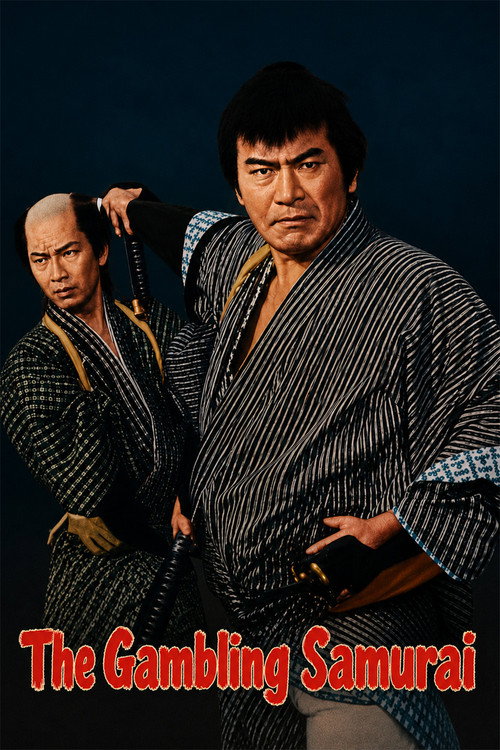
1960
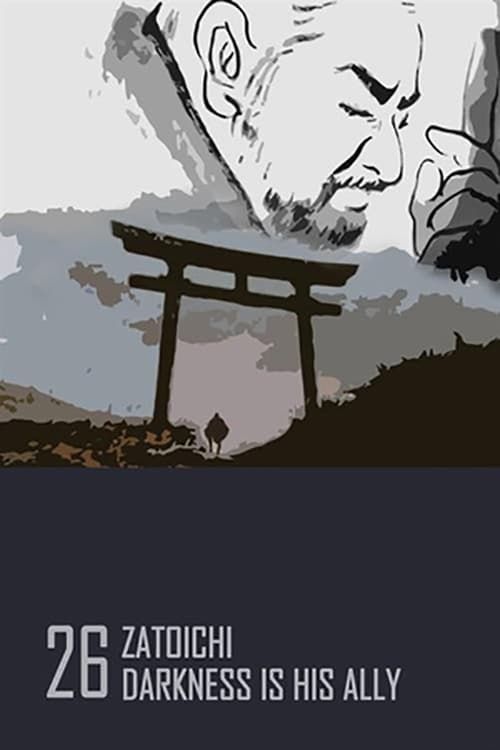
1989
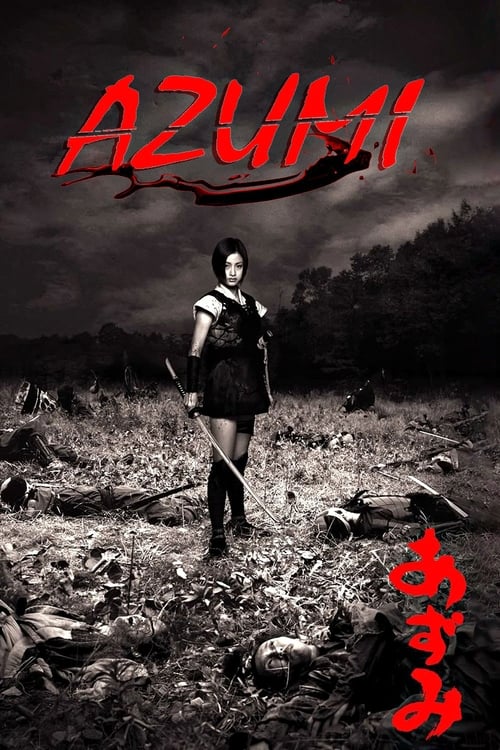
2003
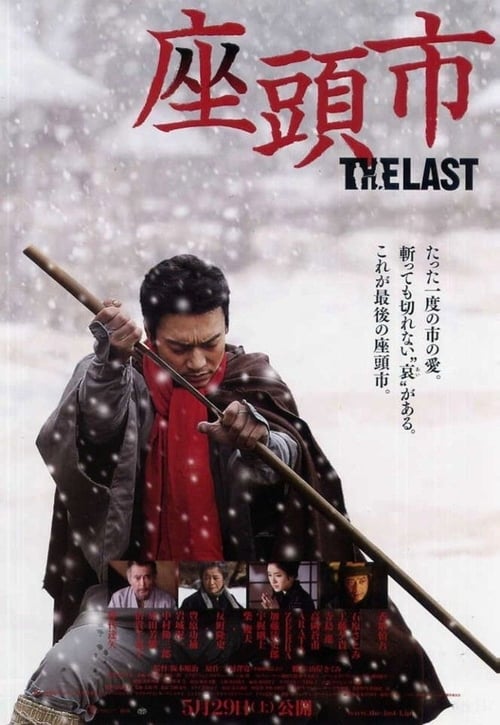
2010

1963
No reviews yet. Be the first to share your thoughts on this movie!
Use the rating form above to leave a star rating and optional review.