Crouching Tiger, Hidden Dragon
2000
No user ratings available yet
Representation score: 5.9 out of 10
Representation Score
Good
2004
PG-13Director
Zhang Yimou
Runtime
119 minutes
Average Rating
No ratings yetNew Showbiz Analysis
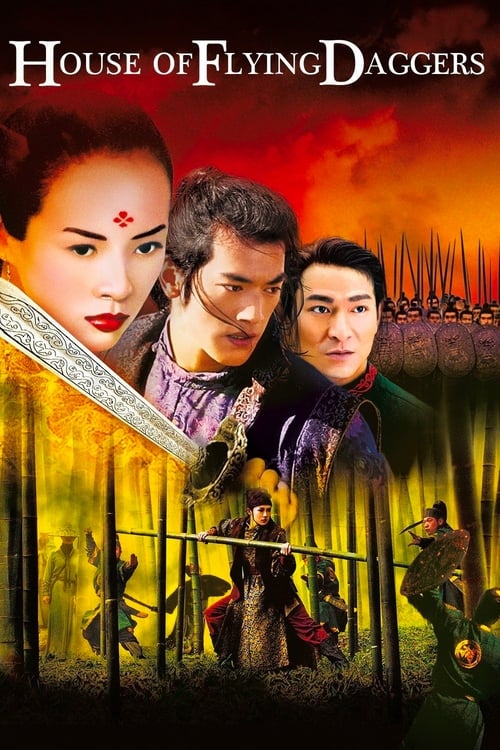
Zhang Yimou uses the wuxia genre to deconstruct traditional power structures and explore the tension between individual ability to act and systemic authority. The film excels by providing a non-Western aesthetic and critiquing the hierarchies of a corrupt imperial government. While the film excels in cultural critique and gendered subversion, it remains limited by a lack of LGBTQ+ representation and a lack of visible disability inclusion. The narrative's strength lies in its sophisticated, postmodern approach to truth and identity. Ultimately, the film is a powerful exploration of rebellion, driven by characters who operate outside of sanctioned imperial structures to navigate a landscape of deception.
Category Breakdown
The film does not include any prominent LGBTQ+ characters or narratives. Romantic relationships stay within traditional heterosexual structures without exploring diverse sexual orientations or gender identities.
Mei challenges passive female stereotypes by using her intelligence and dancing skills to navigate political dangers. She drives the plot through strategic planning rather than being just an object of desire.
The film centers a non-Western perspective, avoiding the whitewashing often seen in Western period epics. It offers a culturally cohesive, historically accurate depiction of 9th-century China.
The narrative critiques authoritarian power through the Flying Daggers rebellion. It explores how identity can serve as a tool for political survival using moral relativism.
There is no proactive inclusion of neurodivergent or physically disabled characters. However, the film avoids using disability as a simplistic plot device or a source of mockery.
Present on Screen
Limited or Absent
Official Synopsis
In 9th century China, a corrupt government wages war against a rebel army called the Flying Daggers. A romantic warrior breaks a beautiful rebel out of prison to help her rejoin her fellows, but things are not what they seem.
2000
2009
2002
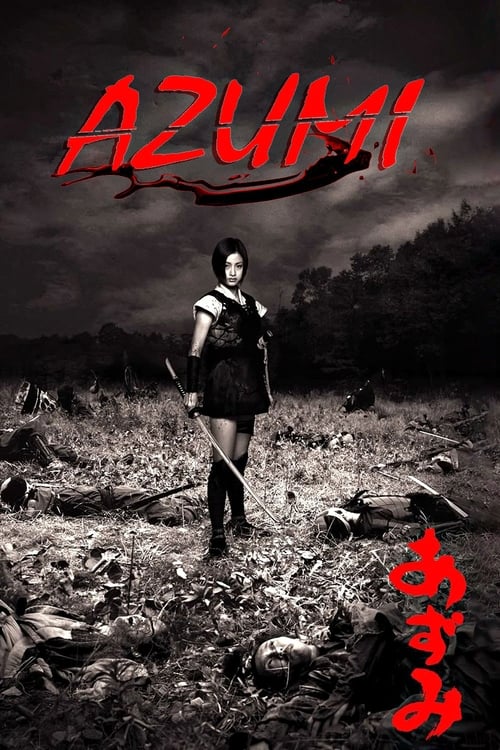
2003
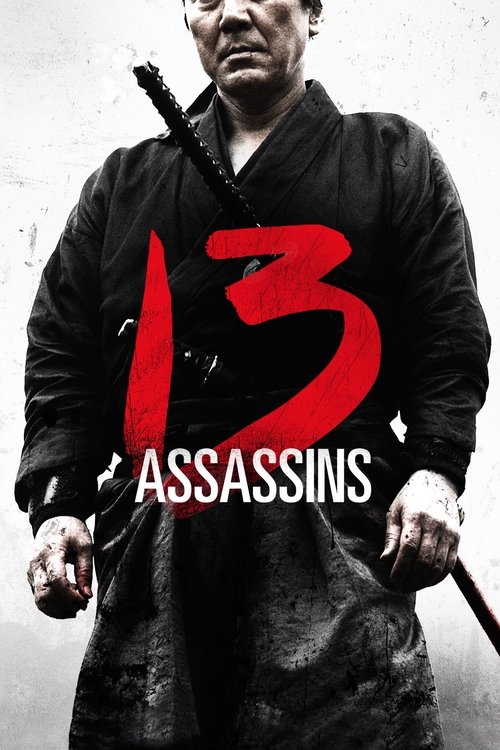
2010
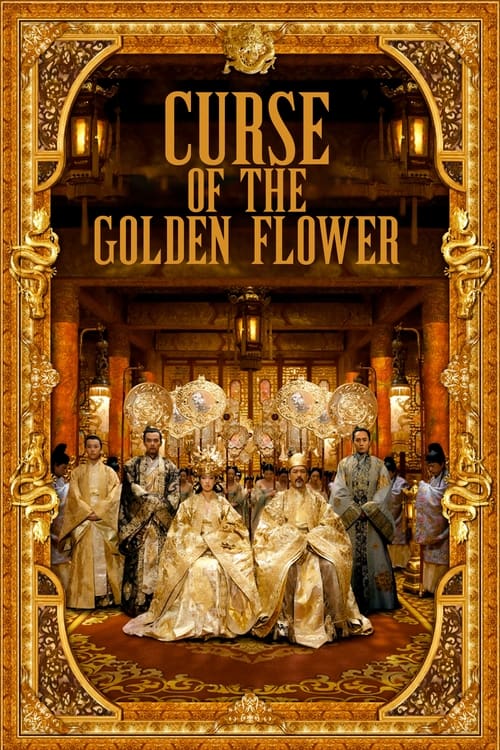
2006
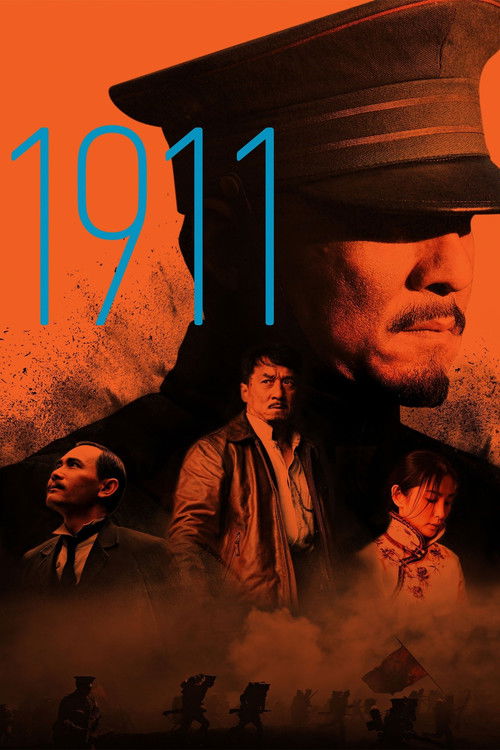
2011
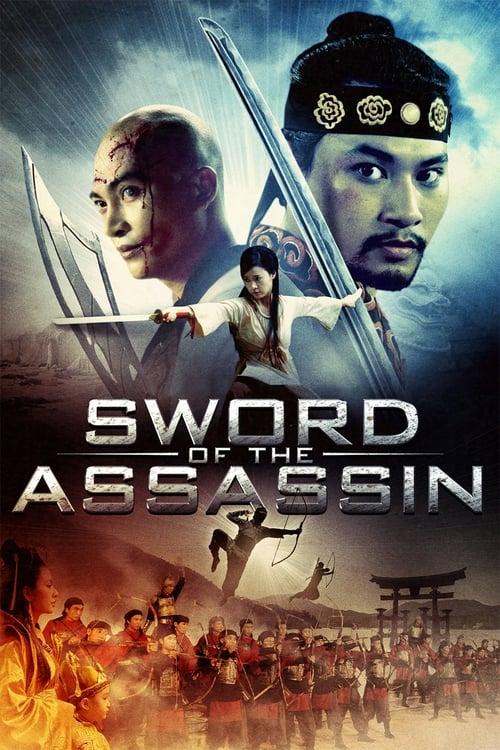
2012
No reviews yet. Be the first to share your thoughts on this movie!
Use the rating form above to leave a star rating and optional review.