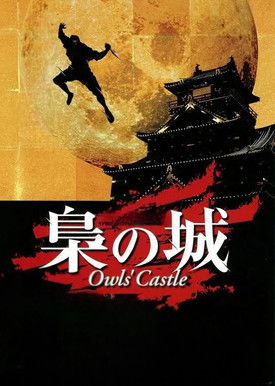
Owls' Castle
1999
No user ratings available yet
Representation score: 5.4 out of 10
Representation Score
Good
2003
RDirector
Ryuhei Kitamura
Runtime
128 minutes
Average Rating
No ratings yetNew Showbiz Analysis
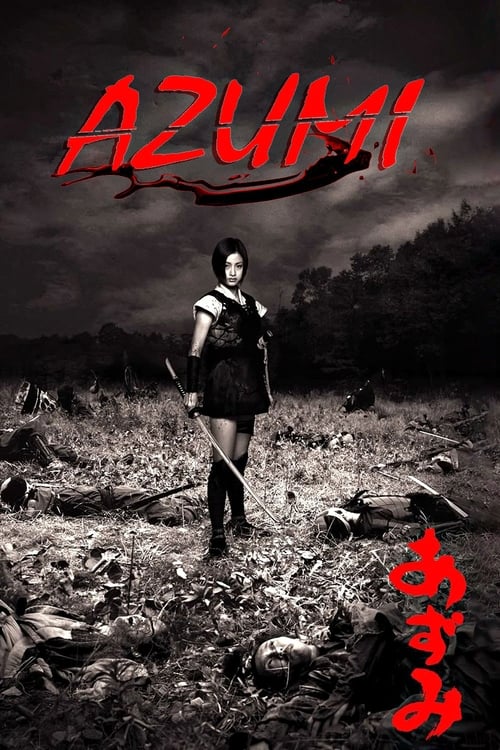
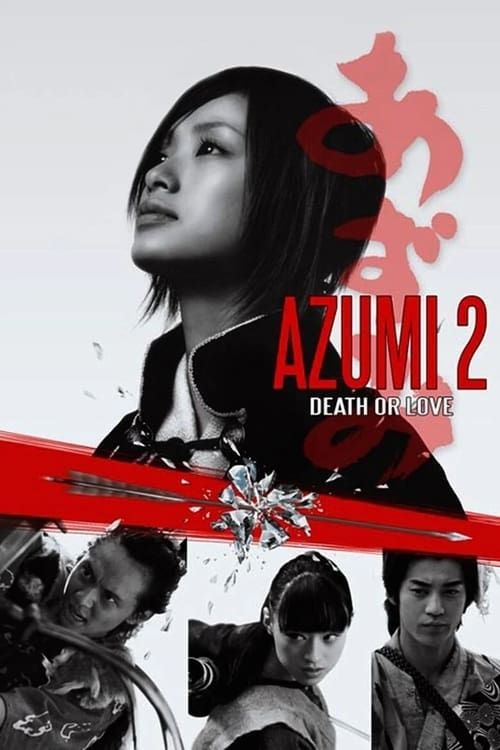
Azumi stands out as a powerful subversion of the samurai epic, centering on a female protagonist whose role is defined by lethal skill rather than domesticity. By placing a woman at the heart of the martial hierarchy, the film effectively challenges traditional gendered power structures. However, the film's impact is limited by its narrow scope. The narrative remains deeply rooted in a culturally homogeneous setting and adheres to traditional martial honor codes, which prevents a more expansive or inclusive exploration of identity. Ultimately, while the film excels in gender representation, its lack of diversity in LGBTQ+, racial, and disability categories results in a moderate overall score.
Category Breakdown
The film follows a traditional storyline about relationships without addressing non-cisgender identities or questioning the assumption that everyone is straight.
Azumi breaks traditional gender roles by being the main fighter and a highly skilled assassin. Her intelligence and physical abilities often surpass those of her male counterparts.
Set in feudal Japan, the film features a culturally homogeneous cast that stays true to its historical context without offering a broader, more diverse perspective.
The story explores moral relativism through the lens of duty and sanctioned violence, adhering to traditional warrior ethics and clan loyalty.
Characters are defined by physical perfection and martial utility. There is no significant focus on visible or invisible disabilities in the main character arcs.
Present on Screen
Limited or Absent
Official Synopsis
In war-torn Japan, the Tokugawa Shogun, desperate to restore peace to his people, orders the assassination of the hostile warlords. A beautiful young woman is raised from birth with nine other orphans, to become an assassin. Her name is Azumi, the ultimate assassin.
1999

1972
1993

1973
2010

1995
2005
1980
No reviews yet. Be the first to share your thoughts on this movie!
Use the rating form above to leave a star rating and optional review.