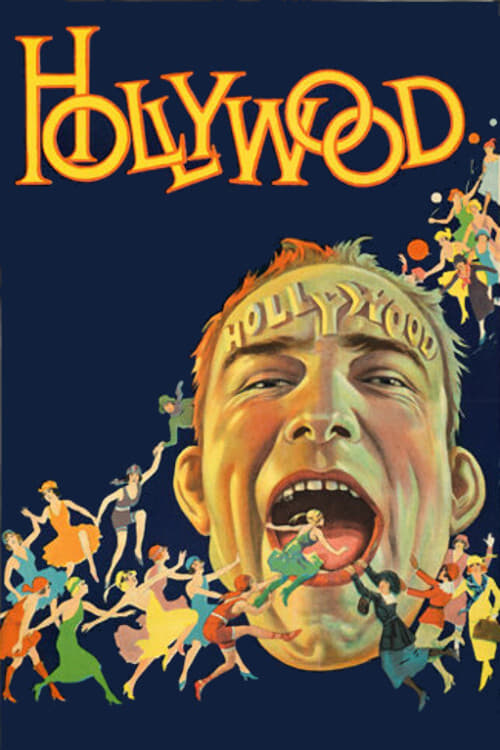
Hollywood
1923
No user ratings available yet
Representation score: 1.1 out of 10

Representation Score
Fair
1928
Not RatedDirector
Robert Florey, Slavko Vorkapich
Runtime
14 minutes
Average Rating
No ratings yetNew Showbiz Analysis
This film is a striking experimental work that prioritizes social critique over demographic diversity. While it does not offer representation for LGBTQ+, racial, or gendered identities, it excels as a piece of social commentary. Its strength lies in its cultural deconstruction of the Hollywood machine. By reducing a person to a number, it highlights the dehumanizing nature of capitalism and the false promise of the American Dream. Ultimately, the film is a focused study of institutional power, trading traditional character diversity for a sophisticated, meta-cinematic exploration of how corporate hierarchies erase the individual.
Category Breakdown
The film does not include any identifiable LGBTQ+ characters or stories. The plot focuses solely on the protagonist's personal struggle, leaving no room for diverse sexual orientations or gender identities.
The story revolves around a male character's existential journey. It does not explore female empowerment or challenge traditional gender roles.
The movie seems to concentrate on the alienation within a uniform industrial setting. There is no indication of significant racial or ethnic diversity among the actors.
The film offers a deep critique of Western capitalist systems. It portrays the Hollywood studio system as a rigid, oppressive machine rather than a glamorous industry.
There are no characters with specific physical or neurodivergent disabilities. The protagonist's dehumanization serves as a psychological theme rather than a direct portrayal of disability.
Present on Screen
Limited or Absent
Official Synopsis
This short experimental film tells the story of a man who comes to Hollywood to become a star, only to fail and be dehumanized. He is identified by the number 9413 written on his forehead.
1923
1924
1932

1930
1925
1939
1925

1928
No reviews yet. Be the first to share your thoughts on this movie!
Use the rating form above to leave a star rating and optional review.