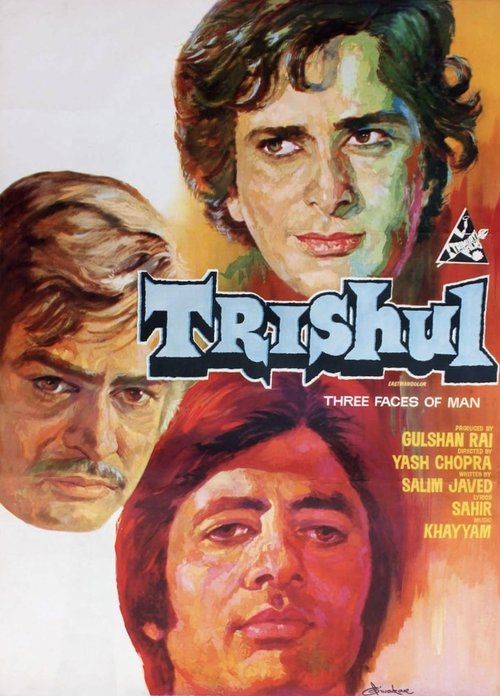
Trishul
1978
No user ratings available yet
Representation score: 2.7 out of 10
Representation Score
Minimal
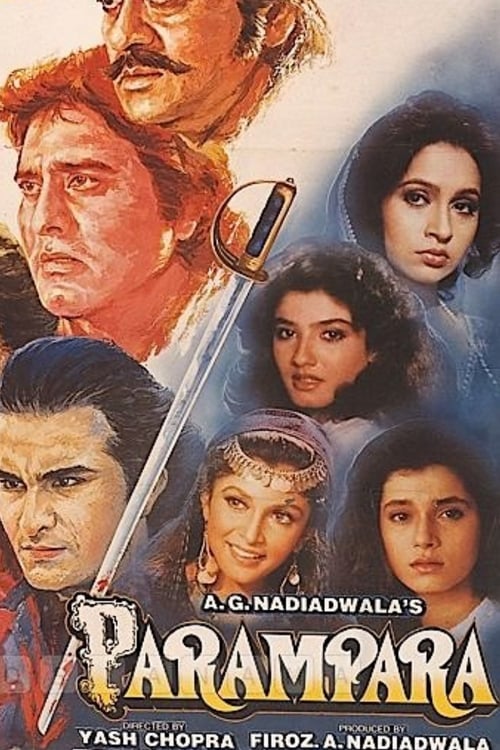
1993
Not RatedDirector
Yash Chopra
Runtime
155 minutes
Average Rating
No ratings yetNew Showbiz Analysis
Parampara explores the conflict between personal desires and the weight of historical and familial traditions. While the film provides a rich, non-Western perspective on ethnic identity, it remains firmly rooted in traditional social structures. This focus on conservative values limits its exploration of diverse identities and experiences.
Category Breakdown
The film does not include any LGBTQ+ characters or those with non-traditional gender identities. The romantic storylines focus solely on heterosexual relationships.
Female characters play key roles in the emotional storyline but often have limited control over their own lives, influenced heavily by patriarchal structures.
The story highlights indigenous social structures and gypsy communities, offering a culturally specific narrative that avoids a Western-centric viewpoint.
The plot emphasizes the importance of lineage and family duty, highlighting ancestral traditions and the sanctity of the family unit over individualistic values.
The film does not portray any characters with visible or invisible disabilities, nor does it use disability as a narrative device.
Present on Screen
Limited or Absent
Official Synopsis
In a remote region in India there has been a tradition of settling differences by fighting a duel with pistols with only one bullet in each of them. Such was the duel fought by Shankar and Thakur Bhavani Singh, with the latter emerging as the victor. Years later, Bhavani's son, Prithvi, returns from London, meets Shankar's son, Gora and daughter, Tara, befriends them, and eventually both Tara and Prithvi fall in love with each other. When Bhavani finds this out, he wants Prithvi to marry Rajeshwari, who comes from a rich family, and will destroy Gora Shankar and his tribe of gypsies. Unable to make up his mind, Prithvi ends up marrying both women, leading to Tara giving birth to a son, Pratap. Bhavani is enraged when he this out, he has Tara and a lot of their people slain, and their homes torched. Gora himself is arrested by the police, and sentenced to several years in prison...
1978
2006

2002

1989

2002

2002

1982
1982
No reviews yet. Be the first to share your thoughts on this movie!
Use the rating form above to leave a star rating and optional review.