Tere Naam
2003
No user ratings available yet
Representation score: 2.5 out of 10
Representation Score
Limited
2006
Not RatedDirector
Kunal Kohli
Runtime
168 minutes
Average Rating
No ratings yetNew Showbiz Analysis
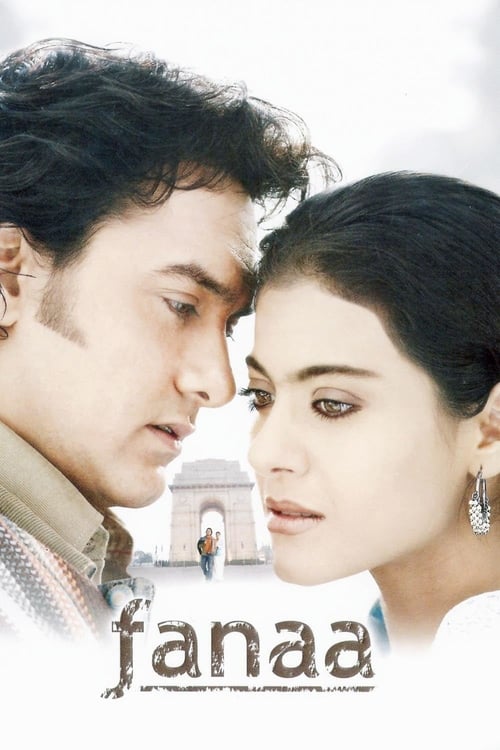
Fanaa is a high-stakes romantic tragedy that blends elements of comedy with political thriller. It succeeds in providing specific cultural textures by centering a Kashmiri protagonist and integrating visual impairment into the lead character's identity. However, the film remains tethered to conventional storytelling. It relies on traditional gender hierarchies and archetypes and a traditional romantic framework that lacks queer visibility or subversion of masculine and feminine roles. Ultimately, while the film offers meaningful regional and disability representation, it uses these elements primarily to drive the central romantic plot rather than to explore broader social or systemic issues.
Category Breakdown
The film adheres to a traditional romantic structure that assumes everyone is straight or cisgender. There is no visible presence of non-traditional gender identities or critiques of traditional romantic norms.
Gender roles follow traditional hierarchies where the male lead acts as the protector. The female protagonist serves as the emotional center, though her role is often limited by romantic and political pressures.
The story offers meaningful representation of Kashmiri culture and regional identity. While it provides nuanced cultural textures, it focuses more on character dynamics than broader ethnic critiques.
The narrative explores the tension between personal devotion and political extremism. It avoids broader systemic critiques, instead framing conflict through a clear moral distinction between characters and violent ideologies.
A visually impaired protagonist provides important representation of physical disability. However, the plot occasionally uses her impairment as a tool to heighten dramatic tension and emotional stakes.
Present on Screen
Limited or Absent
Official Synopsis
Zooni Ali Beg is a blind Kashmiri girl who travels without her parents for the first time with a dance troupe to Delhi to perform in a ceremony for independence day. On her journey, she meets Rehan Khan, a casanova and tour guide who flirts with her. Although her friends warn Zooni about him, she cannot resist falling in love with him and he takes her on a private tour of New Delhi. But there is more to Rehan than meets the eye and Zooni will have to make a heartbreaking decision.
2003
2011
2004

2021

2008
2001
2014
2006
No reviews yet. Be the first to share your thoughts on this movie!
Use the rating form above to leave a star rating and optional review.