
Vidhaata
1982
No user ratings available yet
Representation score: 2.2 out of 10
Representation Score
Limited
1978
Director
Yash Chopra
Runtime
167 minutes
Average Rating
No ratings yetNew Showbiz Analysis
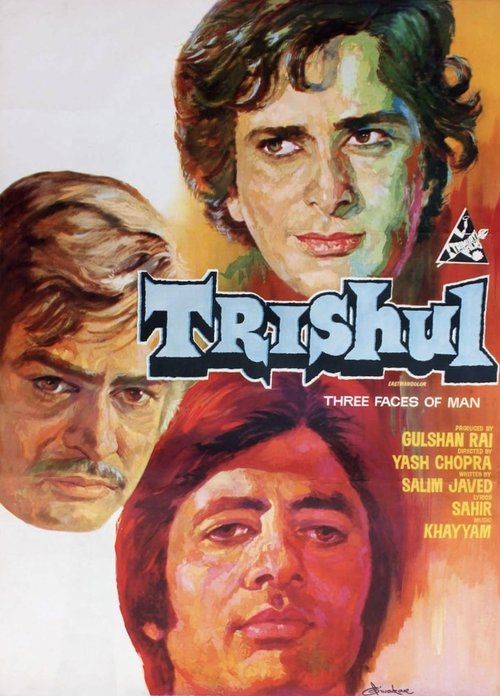
Trishul is a character-driven drama that emphasizes themes of systemic inequality and moral decay over diverse social representation. The story centers on a son's quest for vengeance against a construction magnate, focusing on masculine ability to act and class struggle. While the film lacks LGBTQ+ or disability representation, it offers a nuanced critique of capitalist accumulation. It challenges the sanctity of established institutions by framing the protagonist's actions as a pursuit of karmic justice. Ultimately, the film's strength lies in its cultural and socioeconomic commentary rather than its breadth of identity representation.
Category Breakdown
The film does not depict any non-straight or non-cisgender identities. There are no queer stories or characters.
The story is driven by male retribution and a patriarchal family line. Female characters like Rani provide emotional support, while Shanti highlights the impact of systemic choices on women.
The casting reflects a specific North Indian cultural context, maintaining authenticity in representing regional identities relevant to the story's setting.
The film effectively critiques corrupt power structures by highlighting the failures of a legal system that neglects the vulnerable. It portrays vigilantism as a justified response to a failing system.
The film does not feature any characters with visible or invisible disabilities. Disability is not used as a narrative device.
Present on Screen
Limited or Absent
Official Synopsis
Vijay Kumar is the illegitimate son of a construction baron, Raj Kumar Gupta and his first love, Shanti, whom Raj had given up in order to marry a wealthy heiress. Raj does not know of this son, who grows up and after his mother's death comes to Delhi to take revenge on the Gupta family by destroying the family's business and their relation with each other.
1982
1975

2014

2012
1986
1993

1989

1982
No reviews yet. Be the first to share your thoughts on this movie!
Use the rating form above to leave a star rating and optional review.