Mard
1985
No user ratings available yet
Representation score: 6.3 out of 10
Representation Score
Fair
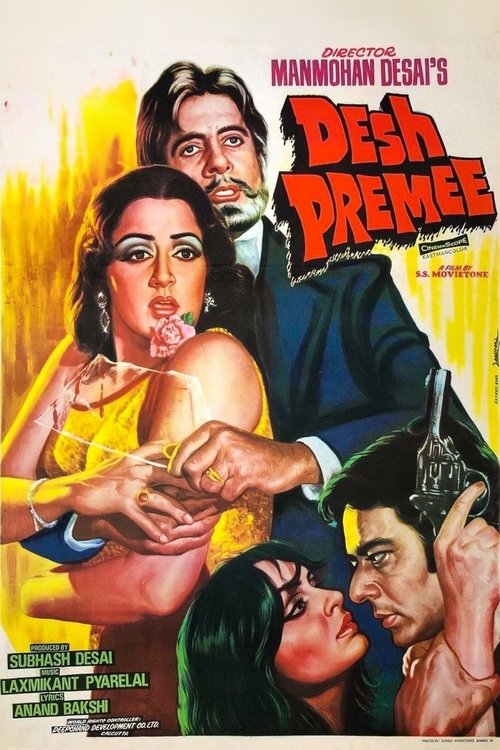
1982
Director
Manmohan Desai
Runtime
174 minutes
Average Rating
No ratings yetNew Showbiz Analysis
Desh Premee is a traditional dramatic epic that uses personal tragedy to propel its narrative. While it provides a unique non-Western perspective focused on Indian independence and local underworld dynamics, it adheres closely to the social norms of its time. The film's strength lies in its culturally specific narrative and its challenge to Hollywood-centric storytelling. However, it leans heavily on established cinematic formulas concerning gender and disability. Ultimately, the portrayal of underrepresented identities serves to enhance the emotional impact of the story rather than giving characters independent influence or challenging societal norms.
Category Breakdown
The film does not include any representation of non-straight or non-cisgender identities or same-sex relationships. It focuses exclusively on traditional romantic and family relationships.
Female characters, such as Bharati, are portrayed mainly through their relationships to the main character and their physical vulnerability. This portrayal aligns with older stereotypes of the suffering woman rather than challenging traditional gender roles.
The film presents a non-Western perspective centered around indigenous struggles for autonomy. This shifts away from Western-centric viewpoints commonly found in global cinema.
The story addresses post-colonial identity through the context of the freedom struggle. It delves into societal breakdown and localized justice within a framework of traditional patriotism.
Leprosy is a key plot element, but it is used primarily to create a tragic storyline and isolate the protagonist. The condition serves mainly as a device to advance the plot.
Present on Screen
Limited or Absent
Official Synopsis
Dinanath is a freedom fighter married to Bharati. During the freedom struggle, though freedom is won but, he looses Bharati - who leaves as she is affected by leprosy. He is given shelter in Bharat Nagar - as four underworld dons of Bharat Nagar.
1985

1999
1993

2007
1984

1996
1992
1994
No reviews yet. Be the first to share your thoughts on this movie!
Use the rating form above to leave a star rating and optional review.